Buyers are looking beyond price and lead time
In 2026, overseas buyers are asking more questions before placing a fastener order. The discussion is moving beyond unit price and lead time to whether the goods can be traced, whether the documents match the shipment and whether the lot can be reviewed after delivery. For machinery, steel structure, energy and engineering projects, a consistent link between specification, material, inspection and packing matters as much as the part itself.
That is the industry signal worth watching: quality records and compliance information are moving forward into quotation, order confirmation and delivery planning instead of being treated as paperwork added at the end.
Regulatory changes are moving document preparation upstream
The European Commission states that CBAM entered its definitive regime on 1 January 2026. For goods within scope, importers or their indirect customs representatives must follow the applicable authorisation, emissions declaration and certificate arrangements. See the European Commission CBAM overview.
This does not mean that every fastener shipment automatically falls within CBAM. Scope depends on customs classification, the goods covered, the importing country and the importer’s responsibility. For suppliers, however, keeping product, material-lot and production information ready helps the buyer determine which documents may be needed next.
Traceability has to reach the lot level
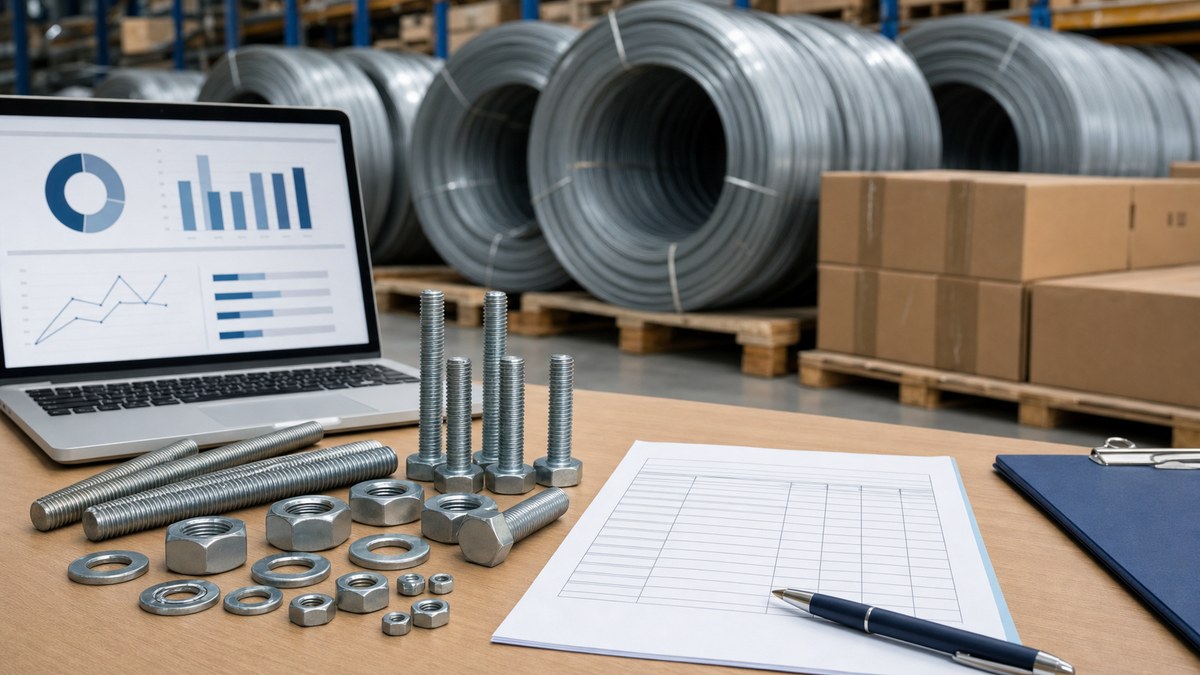
For a buyer, “consistent quality” needs evidence. Typical review points include the product description and dimensions, material or grade, strength class, coating, lot identification, dimensions and thread condition, together with any hardness, mechanical or other tests specified in the order. The right inspection scope depends on the drawing, standard and purchase documents.
In order coordination, Wohe breaks the buyer’s requirements into verifiable points and links material, production lot, process follow-up and final review. When hardness is critical, quality checks should not be left to the last step; they need to be followed during production so that deviations can be handled before packing.
Wohe coordinates product, documents and delivery as one workflow
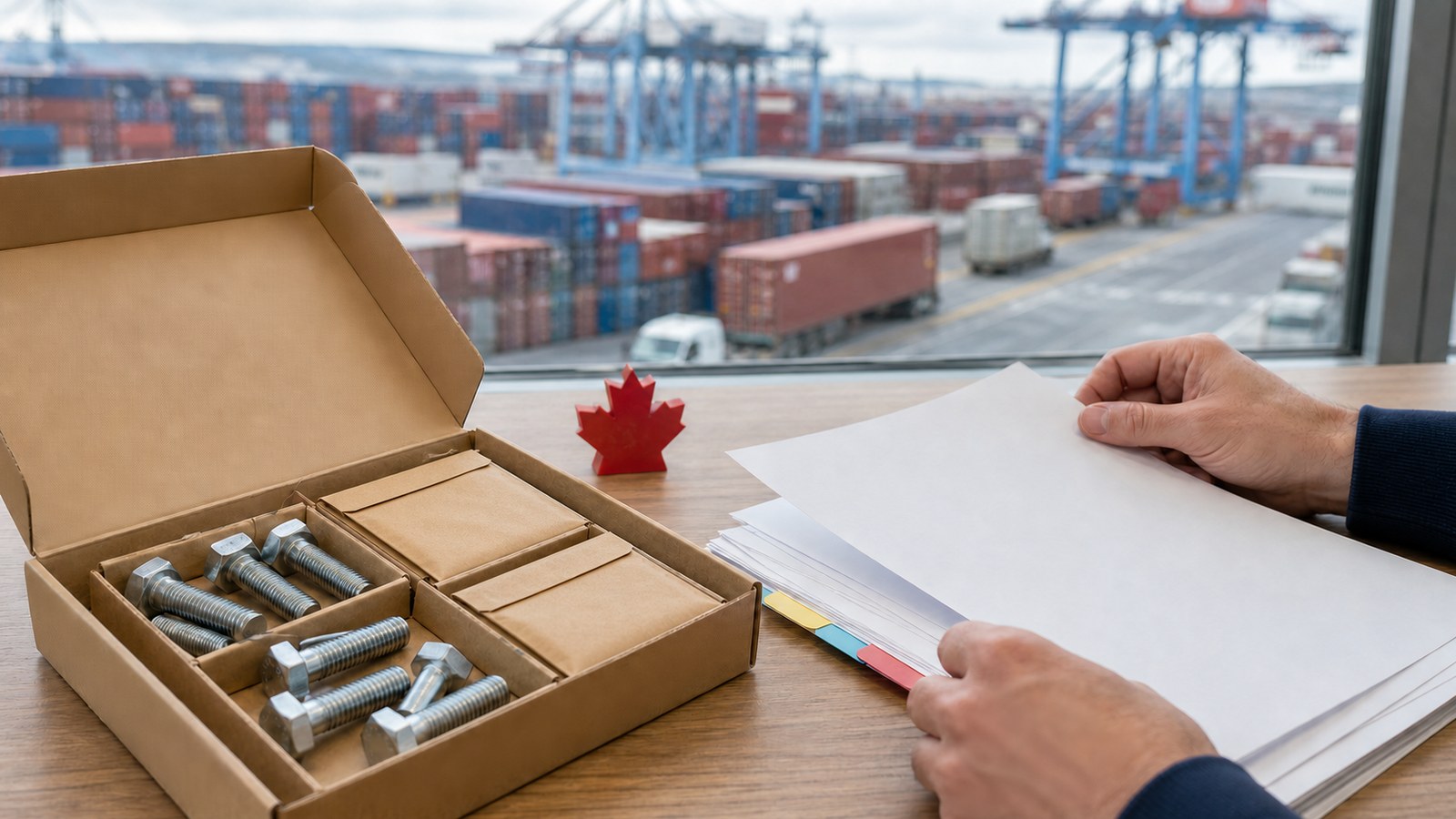
From the quotation stage, Wohe reviews the buyer’s documents for product scope, dimensions, standards, surface treatment and document requirements. For standard bolts, studs, nuts or custom parts, buyers can also start from the product centre or bolt range and send the drawing or list for review.
During production, the team follows the link between material and lot, dimensions and thread condition, requested inspection points, packing marks and quantity checks. Before dispatch, packing documents, outer-carton arrangements and transport planning are reviewed together so that the paperwork and the physical shipment stay aligned.
What the buyer gains from this coordination
For an overseas buyer, the value is not simply a lower quotation. It is less uncertainty after the order is placed: specifications are clearer, quality issues are easier to locate, lot information is easier to file, and export documents and packing arrangements are easier to match with the cargo. For repeat orders, the same records can also help both sides reuse confirmed requirements more efficiently.
Wohe does not treat compliance or quality as one fixed template. Requirements vary by country, industry and project. The team works from the buyer’s documents and delivery conditions to identify what is available, what needs to be added and what must be confirmed by the buyer or importer.
Start with one quotation and prepare the next delivery too
If you are sourcing fasteners for export, send your specification sheet, drawing, material requirement, surface treatment, inspection points and destination to the Wohe team. We can first organise the product and document requirements, then review a purchasing solution around quantity, packing and delivery conditions.