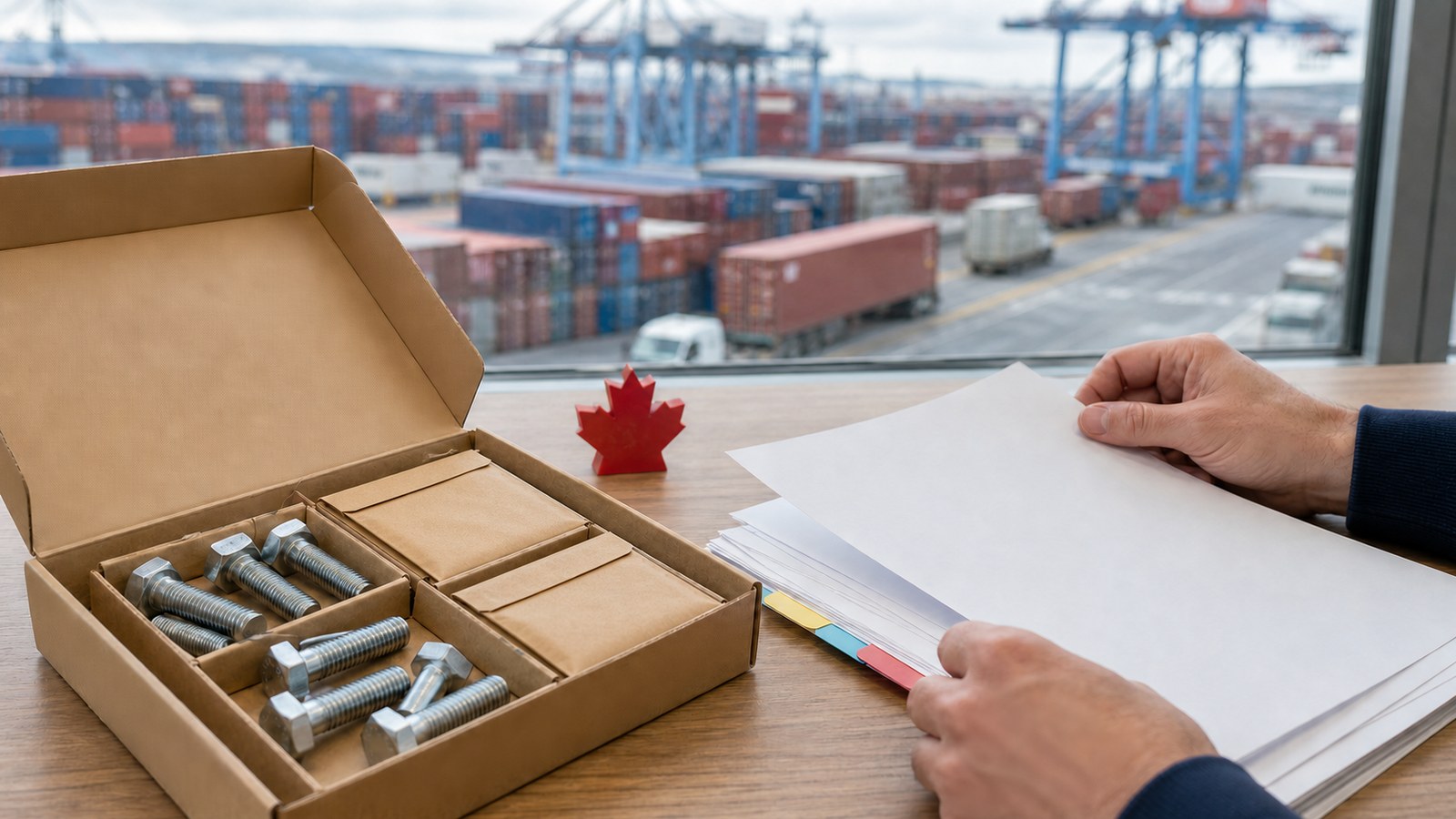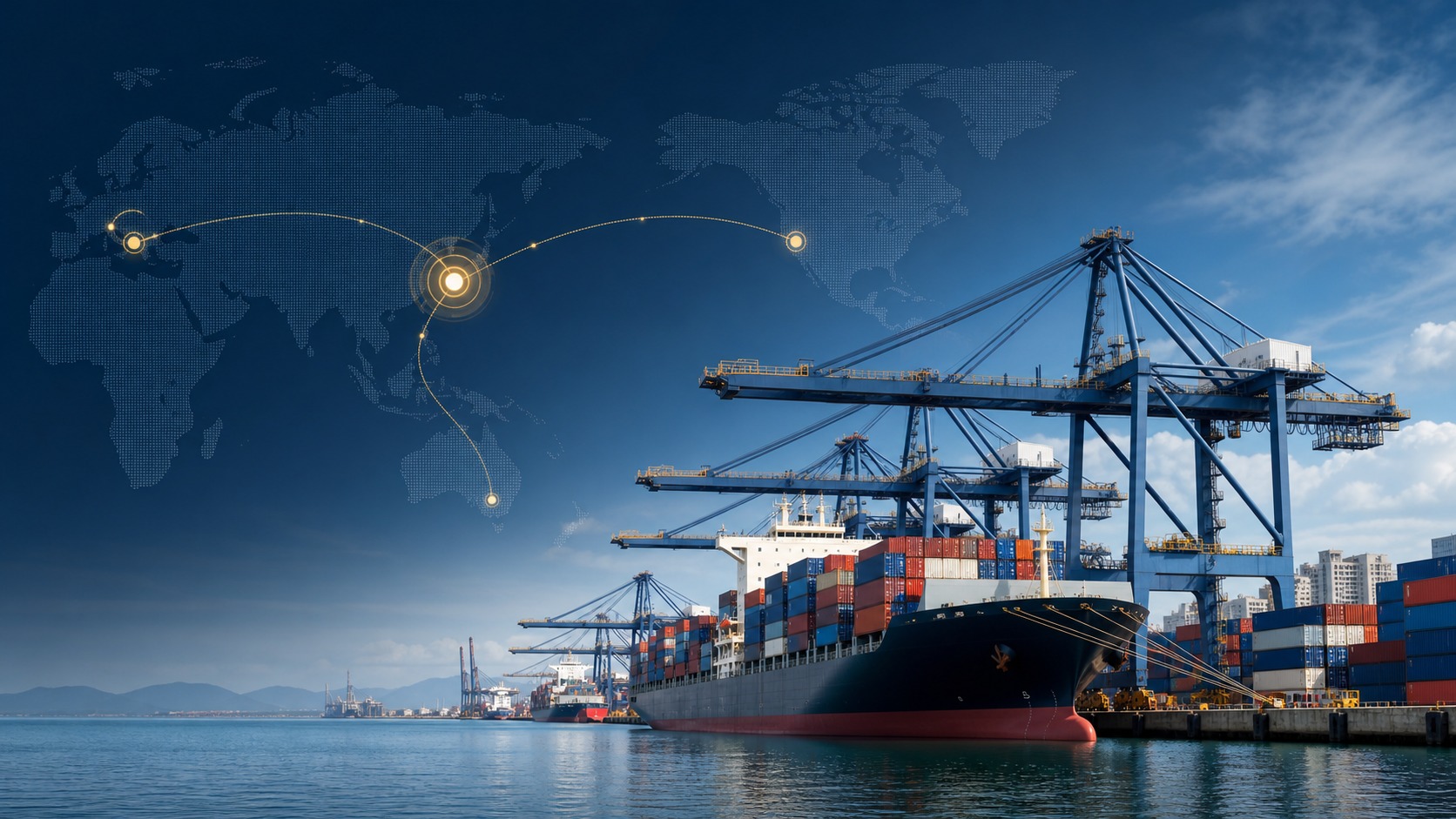
International container shipping is still being shaped by freight-rate changes, route-security concerns and schedule adjustments. For fastener buyers, logistics is no longer a line added after the product quote. It affects the delivery date, cargo condition and the buyer's project schedule.
Wohe Fastener follows these changes and brings logistics coordination into the export plan at an early stage. For cargo leaving a Hebei factory, Tianjin is usually the first loading option we evaluate, but we do not judge a route by distance alone. Cargo details, destination, sailing schedule, packing and the buyer's required delivery window all matter.
Freight and route changes are affecting fastener export delivery
Public freight data in July showed a small weekly correction, while the market still required close monitoring. Drewry reported that its World Container Index fell 2% in the week of July 17; the Shanghai-Rotterdam rate was about USD 4,873 per 40-foot container and the Shanghai-Genoa rate was about USD 6,300. Carrier capacity management and geopolitical risk continue to influence route prices and schedules.
Security concerns around the Bab el-Mandeb and Red Sea also remain relevant to Asia-Europe planning. A route adjustment, surcharge or longer sailing time can change the real delivery cost of an option that looked inexpensive in the first quotation. For a fastener order, logistics should be reviewed together with production completion, packing, booking and the buyer's required use date.
What buyers need is more than the cheapest sailing
Buyers usually want to know when the cargo can be loaded, when it is expected to sail, whether the arrival date is realistic and who will follow up when the plan changes. For long studs, heavy cartons, gaskets and mixed-size orders, packing and container utilization also affect freight cost and cargo condition.
That is why the ocean-freight line should not be viewed in isolation. Inland trucking, port handling, documents, fuel or security surcharges, possible storage and the buffer required by transshipment should be explained as one delivery plan.
How Wohe builds logistics optimization into an export plan
- We confirm the order and delivery window first. The product list, specifications, quantities, packing requirements, loading date, destination and latest acceptable arrival date define the starting point.
- We assess the route against the cargo profile. Tianjin is normally checked first for Hebei cargo, but another port may be compared when its direct sailing, equipment availability or schedule is more suitable.
- We compare the complete logistics arrangement. The review covers inland transport, port coordination, sailing schedule, transshipment count, quote validity and the handling process if an exception occurs.
- We plan packing and transportation together. Different fastener sizes need clear separation, stable outer cartons and a practical loading plan. Packing should protect the cargo without creating unnecessary space or handling cost.
- We clarify the key milestones early. The cut-off, estimated departure, estimated arrival and delivery buffer are confirmed in the communication. If freight, schedule or routing changes, the plan is reviewed promptly.
What customers gain by choosing Wohe
- Product pricing and logistics assumptions are explained separately, making the total purchasing cost easier to understand.
- Route, packing and delivery timing are reviewed together, reducing the risk of discovering a mismatch after the cargo is ready.
- When schedules or freight rates change, the customer has a clear review point and one team to coordinate the next step.
- The logistics arrangement is matched to the order instead of pursuing the lowest ocean-freight number at any cost.
- Feasible shipping arrangements can be assessed earlier when the destination and target delivery date are provided with the RFQ.
Information customers can share from the start
- Product list, specifications, quantities, unit weights and expected completion date.
- Factory location, destination port, final delivery address and FCL or LCL requirement.
- Carton dimensions, gross weight, pallet requirements and whether mixed sizes need separate packing.
- Latest acceptable arrival date, acceptable transit-time range and whether split shipment is possible.
- Incoterm, document requirements and destination customs instructions.
How Wohe will continue improving logistics service
Logistics conditions change quickly, and a suitable arrangement for one order may not suit the next. Wohe will continue reviewing destinations, cargo combinations, packing methods and actual delivery feedback to improve the basis used for route and service-provider comparisons.
The value for customers is not a promise to use one fixed route every time. It is the earlier connection of product, packing, logistics and delivery planning, so the export plan is clearer and easier to adjust when conditions change.
View fastener products or send an RFQ so we can review the logistics plan around your destination and delivery date.