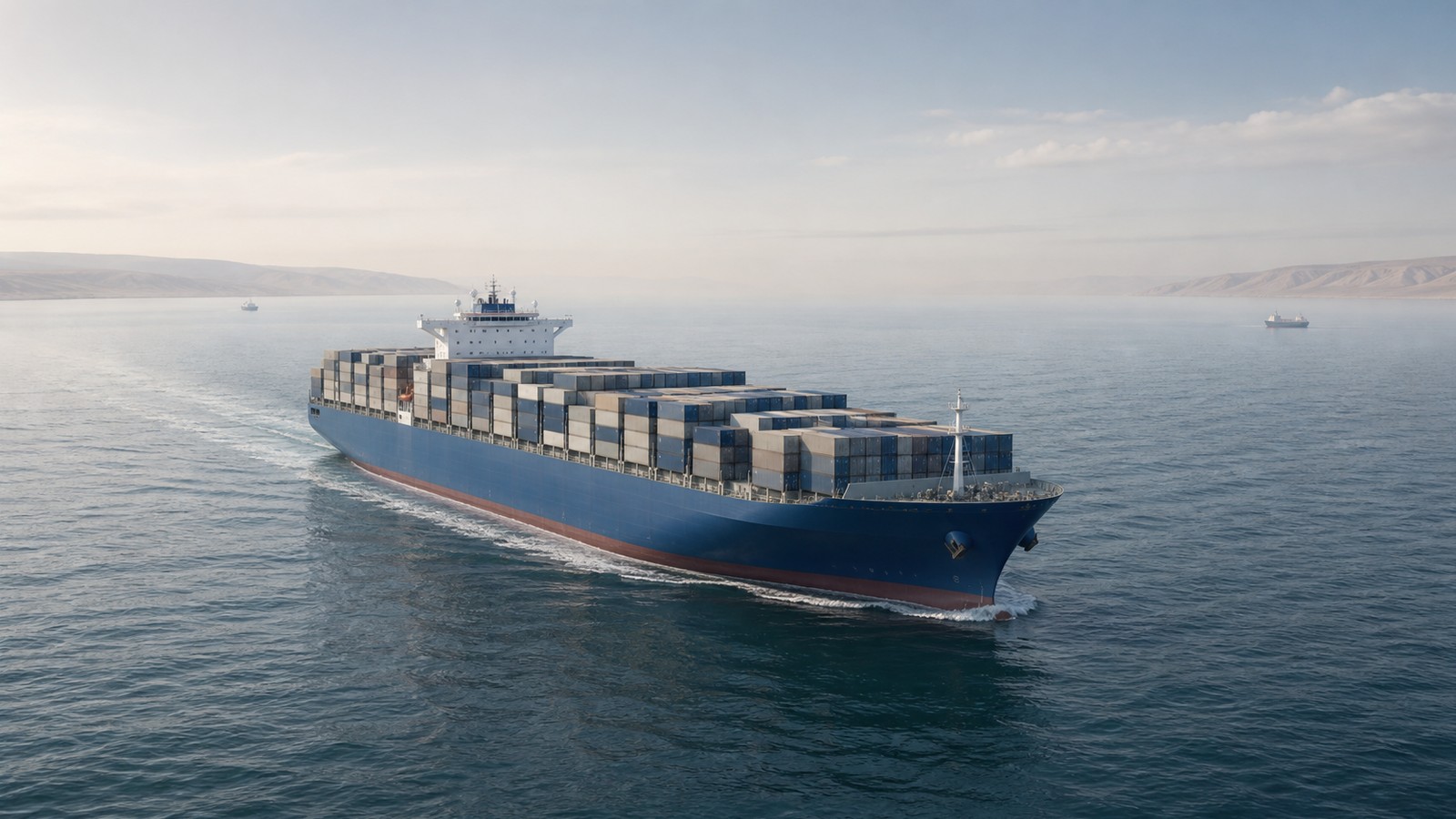
On 28 August 2026, the International Maritime Organization (IMO) said the situation in the Strait of Hormuz remained unresolved six months after the current Middle East conflict began on 28 February. Its statement notes that some ships and crews have left the Persian Gulf, while up to 400 ships carrying around 6,000 seafarers have still been unable to depart safely. Commercial movement has not disappeared, but that is not the same as a return to normal operating conditions.
For a fastener buyer, the useful place to test that difference is the arrival date on the quotation. Has space been booked, and has the carrier arrangement behind the date been confirmed? A date can appear fixed on the page while the sea-transport assumptions supporting it are still open.
Ships are still moving while the evacuation plan is paused
IMO also reports continued disruption to vital supply chains for fuels, fertilizers and other commodities. When checked on 29 August 2026, its Middle East and Strait of Hormuz page said the evacuation plan was currently paused.
Those official pages describe conditions affecting shipping and supply chains. They do not set a freight rate, a fixed number of delay days or a loss figure for a fastener order. Whether a particular order is exposed still depends on the route its cargo will actually take.
A “Middle East” destination label does not define the route
The regional label alone cannot show whether a vessel must pass through the Strait of Hormuz. The relevant details are the destination port, final delivery point, transshipment path and confirmed carrier plan. An order belongs in this discussion when its port is in the Persian Gulf, access requires the Strait, or its agreed transport arrangement otherwise depends on those waters.
Likewise, an Asia-to-Europe shipment that normally does not pass through Hormuz is not automatically exposed merely because the news comes from the Middle East. Where the order does rely on the area, however, the sea-transit estimate should not begin from a normal-service assumption.
Put the basis for the arrival date on the same quotation
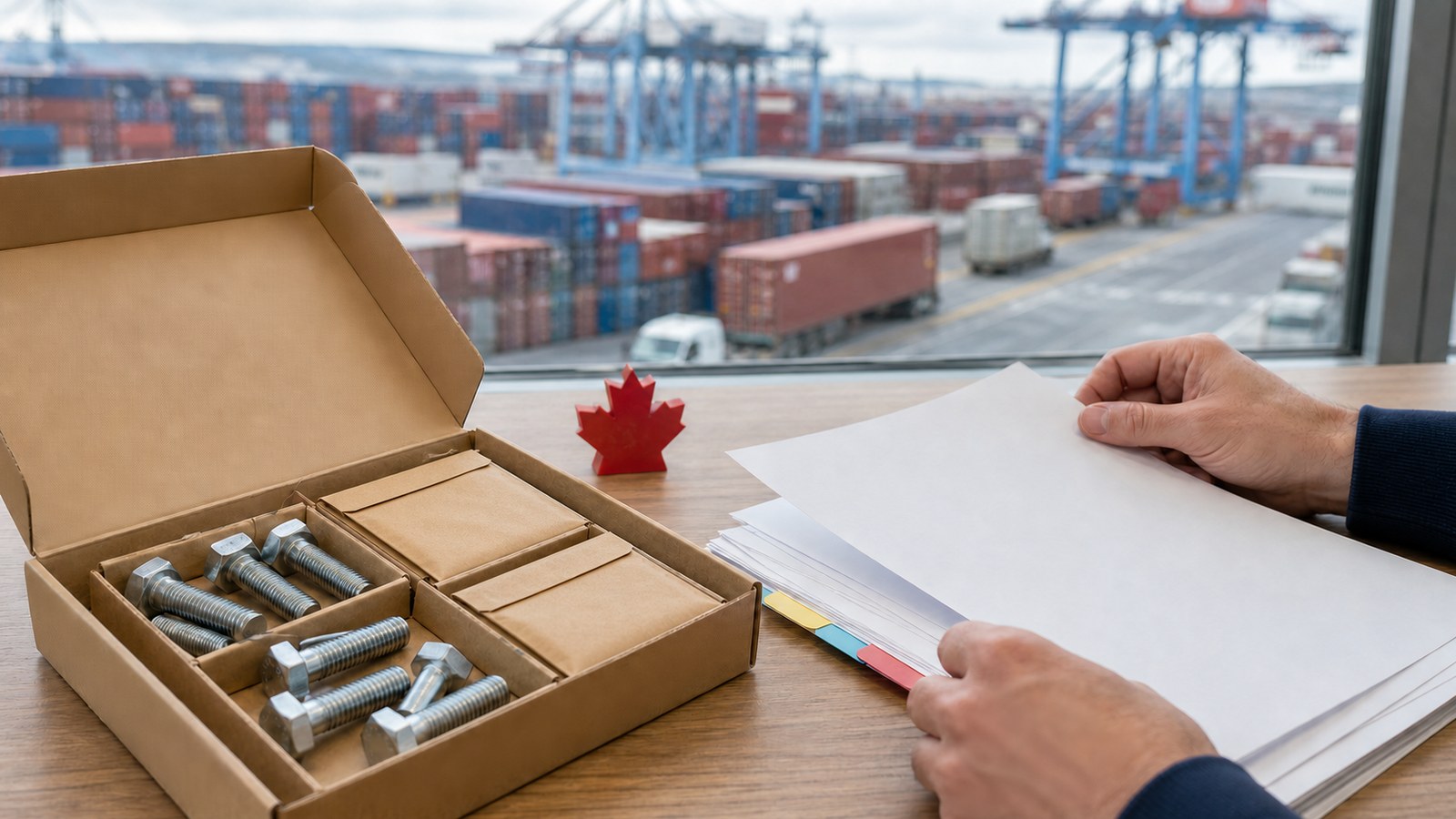
A quotation often compresses goods readiness and ocean transport into one delivery date, although the two parts rest on different evidence. The supplier can estimate readiness after the specification, quantity, material and process, inspection and packing requirements, relevant subcontracting and current schedule are clear. Estimated departure, port arrival and final delivery still depend on booking, route, ports and the carrier arrangement.
The quotation can state the order conditions used for the readiness estimate. If booking is not complete, the departure and arrival dates can remain subject to carrier confirmation. Confirmed information should be visible; an unresolved transport condition should not be converted into an unconditional promise.
For an order involving the Persian Gulf or Strait of Hormuz, review Wohe's fastener range and send the destination port, required arrival window and principal product requirements through the contact page. Hebei Wohe Fastener Manufacturing Co., Ltd. can check the product conditions, quotation basis and delivery assumptions with the buyer. Actual sailing and arrival estimates remain subject to the latest confirmation from the freight forwarder or carrier: a date can still be discussed, but it should appear with the evidence on which it depends.
Sources and timing: This article uses the IMO statement of 28 August 2026 and the IMO Middle East and Strait of Hormuz page. “The evacuation plan is currently paused” reflects the page status checked on 29 August 2026.