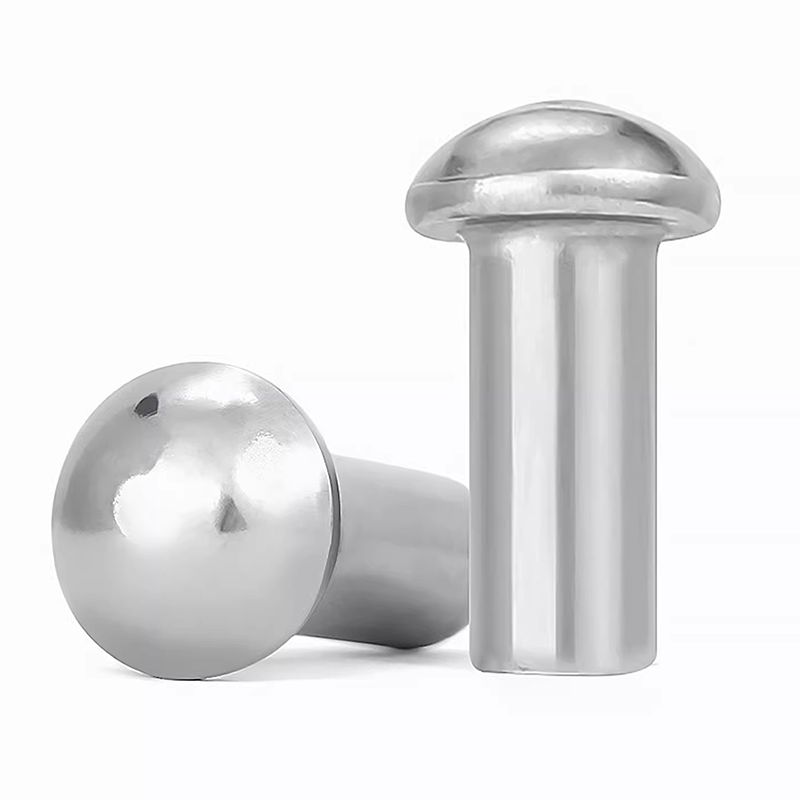
Countersunk Head Rivet — Product Introduction
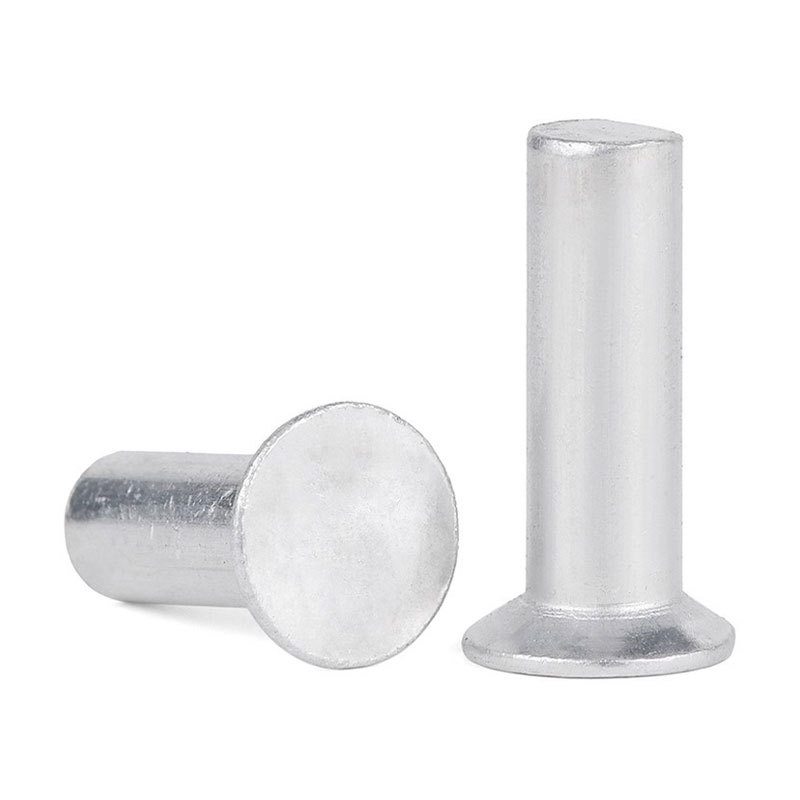
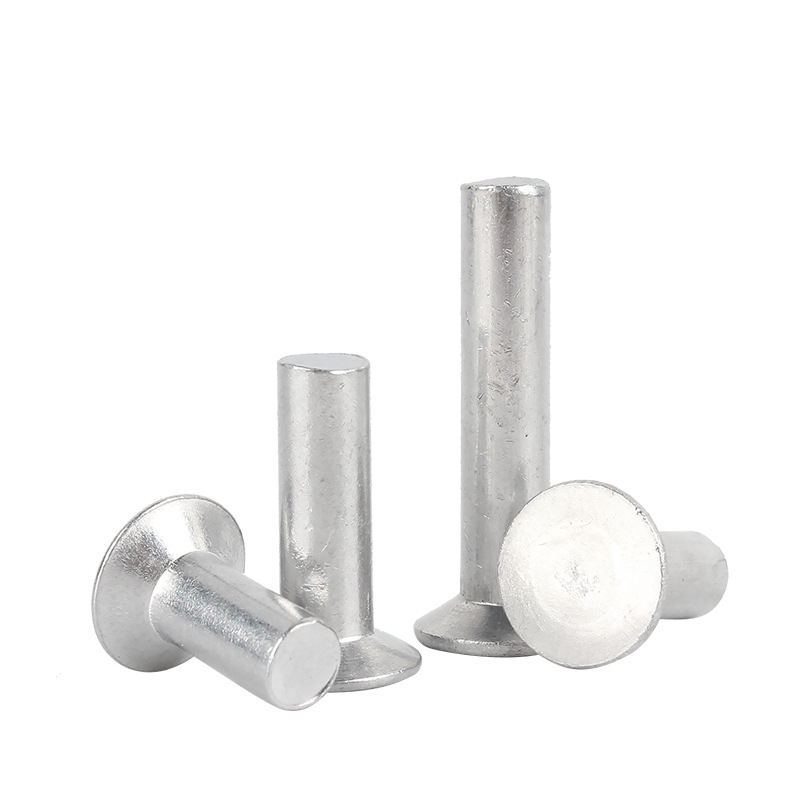
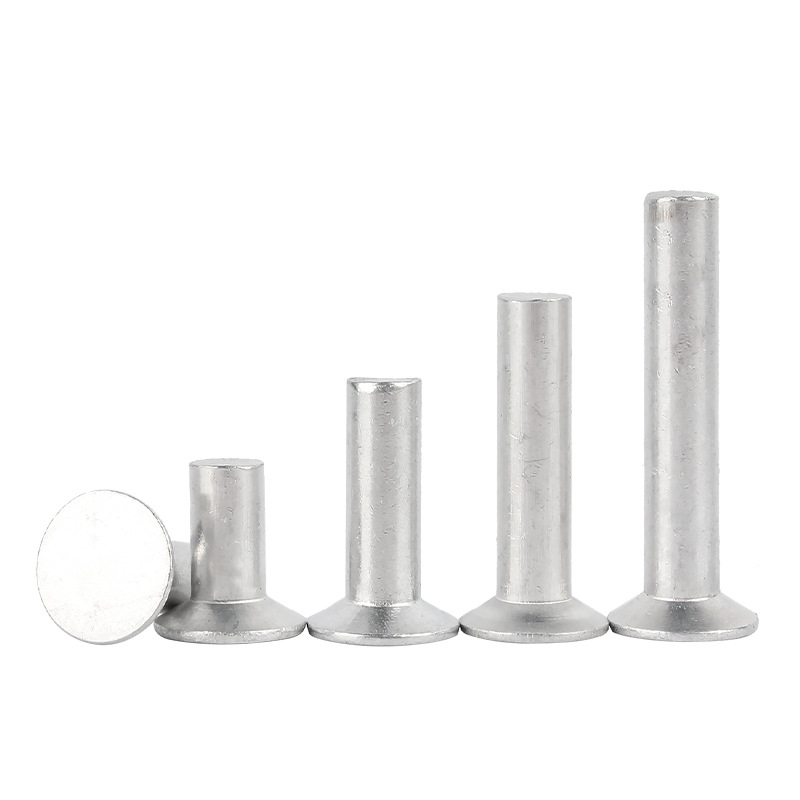
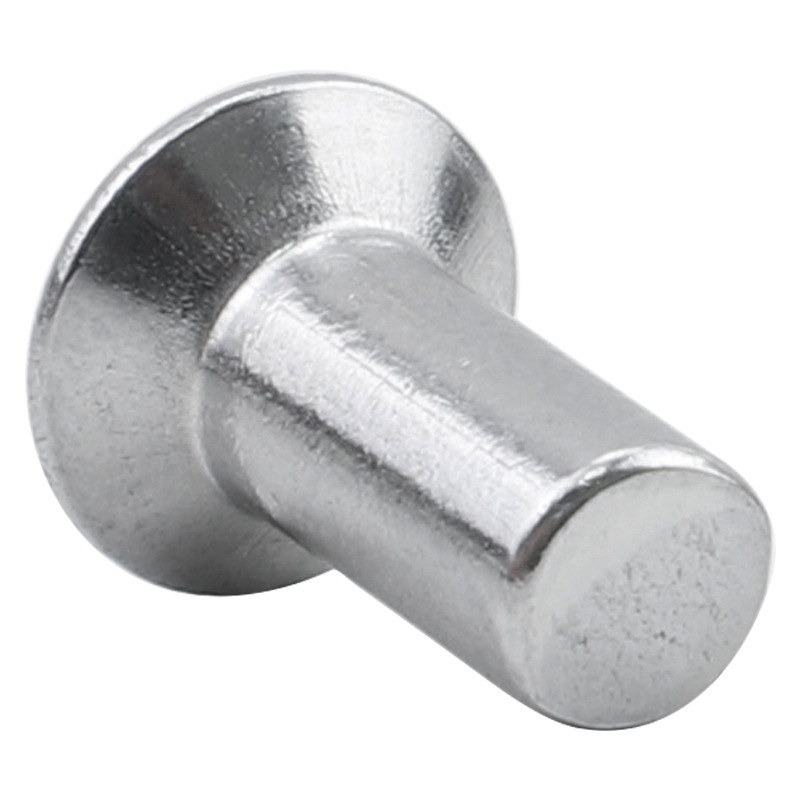
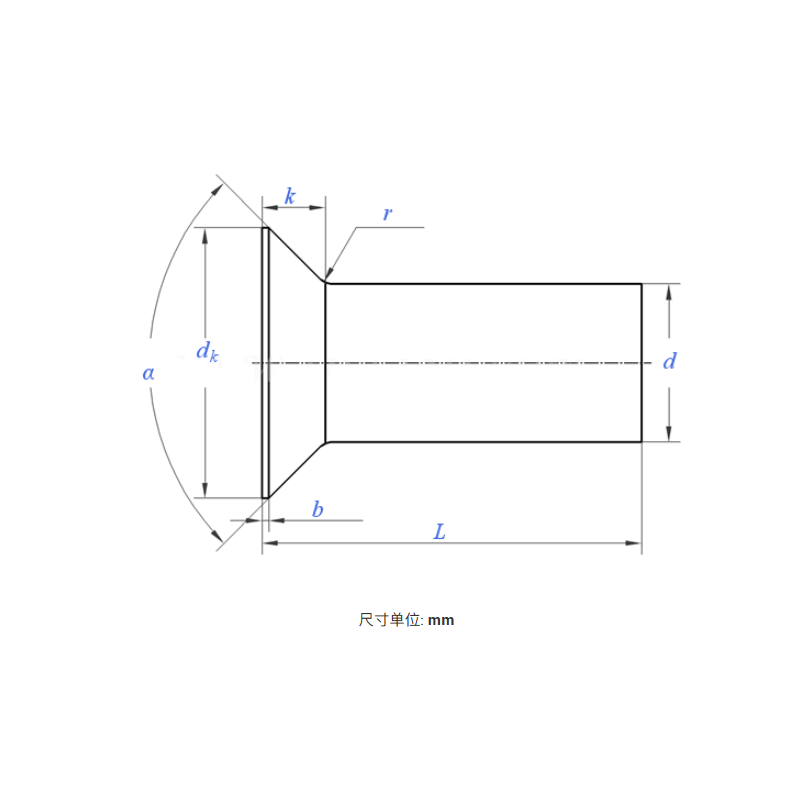
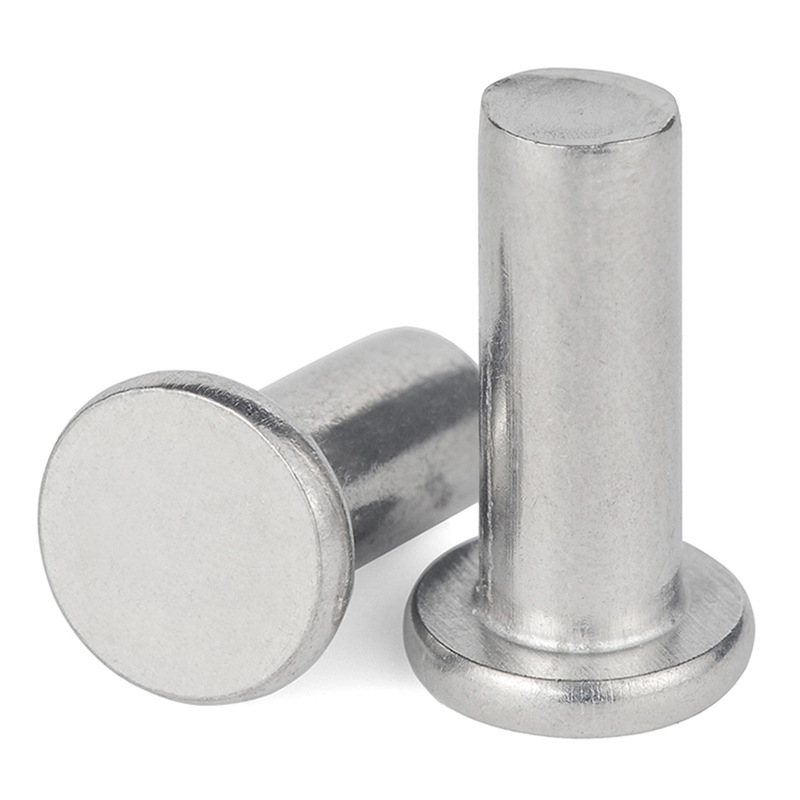
The countersunk head rivet is a solid rivet with a conical head and a cylindrical shank, commonly conforming to GB/T 869—1986. During use, the rivet is inserted into a pre-drilled countersunk hole in the parts to be joined. The shank end is hammered or pressed to upset it and form a driven head, while the conical head sinks into the workpiece surface. After riveting, the surface is flat and smooth, making it suitable for permanent connections requiring no protrusion on the outer surface.
1. Product Features
• Conical head: The head is conical and fits tightly with the countersunk hole in the workpiece. After riveting, the head does not protrude above the surface.
• Standard structure: Dimensions conform to GB/T 869—1986 and other standards, fit well with standard rivet holes, and offer good interchangeability.
• Solid shank: The shank is a solid cylinder, deforms uniformly during riveting, and provides a firm and reliable connection.
• Various materials: Carbon steel, copper, aluminum, stainless steel, etc., are available to suit different strength and environmental requirements.
• Smooth surface: The conical surface of the head is flush with the workpiece surface, giving a flat and attractive appearance.
2. Product Advantages
• Smooth surface: After riveting, the head is fully sunk into the workpiece, leaving a flat outer surface without protrusions, suitable for parts with high appearance requirements.
• Reliable connection: Forms a permanent connection, resistant to vibration and impact, not easily loosened or detached.
• Strong load-bearing capacity: The rivet shank fits tightly against the hole wall and can withstand large shear and tensile forces.
• Good aerodynamic/streamlined performance: The flat surface reduces air or fluid resistance, suitable for vehicle and ship hulls, etc.
• Suitable for thin sheet connection: Provides good connection results for thin sheets and thin-walled structures without easily damaging the material surface.
• Cost-effective: Low rivet price and mature riveting process make it suitable for mass production.
3. Scope of Application
Countersunk head rivets are widely used in permanent connections requiring a smooth, non-protruding surface at the joint, including:
• Vehicle manufacturing: Automobile bodies, carriages, motorcycle cover parts, etc.
• Shipbuilding and aviation: Hull plates, aircraft skins, cabin interior panels, etc.
• Containers and metal boxes: Side panels, top panels, door panel connections.
• Electronic equipment: Cabinets, instrument housings, control boxes and other connections requiring a flat surface.
• Construction and decoration: Metal curtain walls, stair handrails, decorative panel fixing.
• Furniture and hardware: Metal furniture, toolboxes, hinges and other connections requiring an attractive surface.