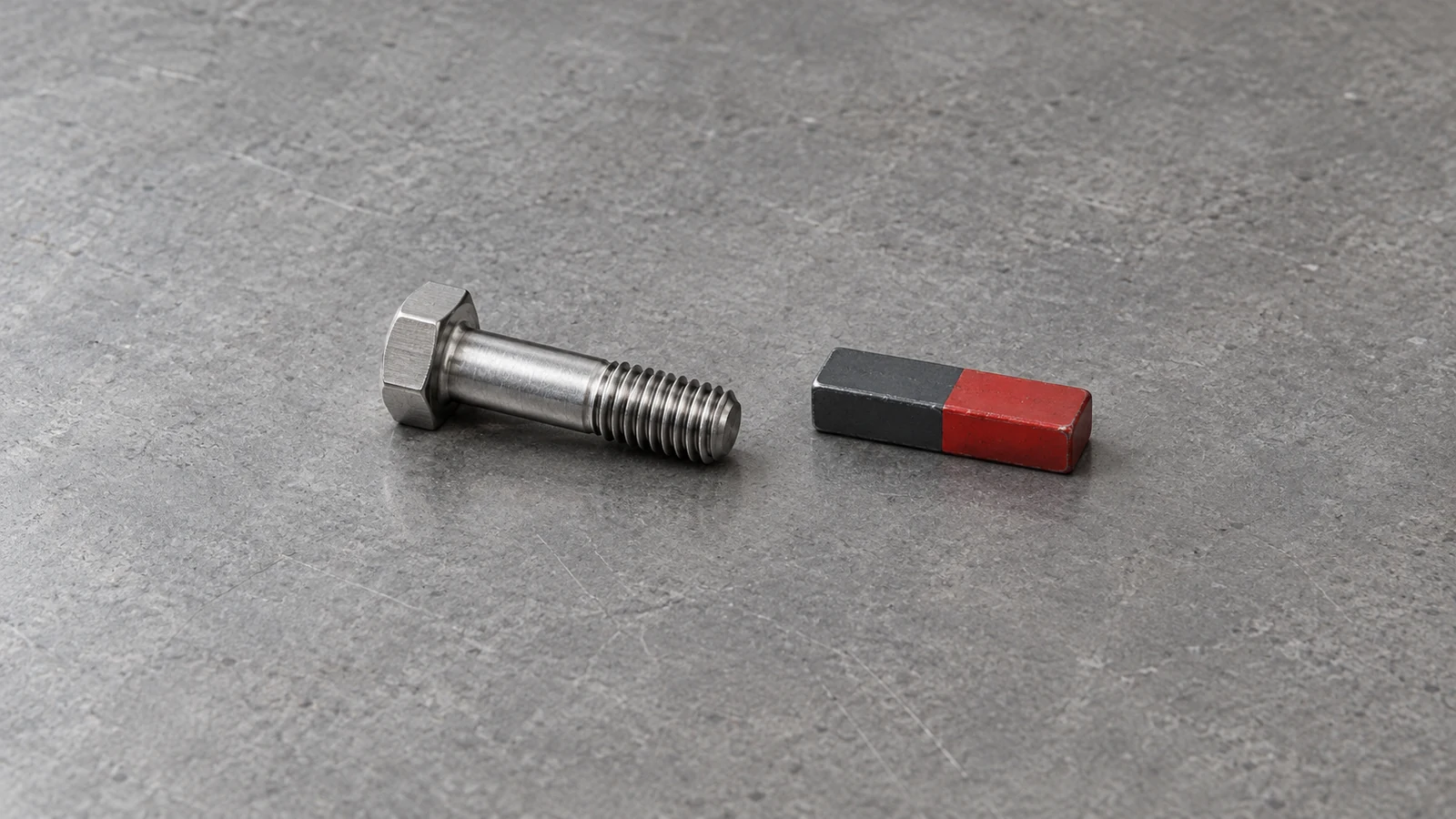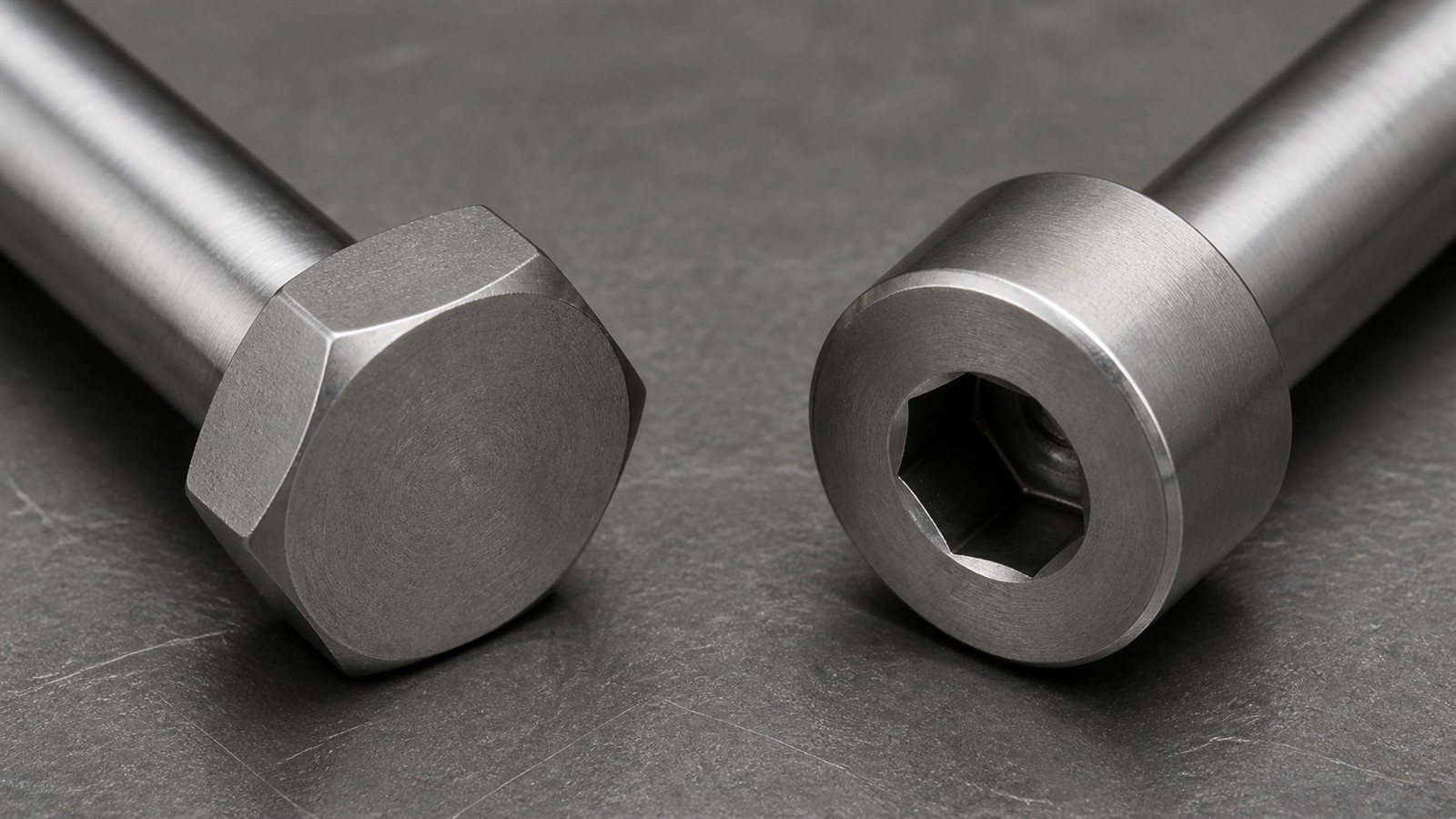
An RFQ lists two items. One is a hexagon head bolt; the other is a hexagon socket head cap screw. Both lines show 10.9 in the Material column. Moving that entry is more than a housekeeping change: the same 10.9 tells the supplier neither that the two items are the same product nor what steel, finish or delivery documents the buyer expects.
8.8, 10.9 and 12.9 are property-class designations, not steel grades. Each designation has to be read as a complete code for a class of mechanical and physical properties within the applicable standard. Once it is placed in a Property class field, the rest of the purchase specification can be closed without asking one code to do several jobs.
One property-class field leaves other questions open
Property class describes the performance requirements for the finished fastener within the relevant scope. A material specification identifies the material that is required or permitted. A product standard or controlled drawing defines which part is being purchased. Those layers are related, but they are not interchangeable.
If a project specifies a steel grade, chemistry limit or material traceability, state that separately. If material selection is left to the supplier within the applicable standard and agreed order conditions, say so. Neither situation is properly expressed by entering 10.9 as the material.
A higher class number is not an application recommendation on its own. Geometry, joint design, finish, assembly method and service conditions still matter. ISO 898-1 covers mechanical and physical properties for fasteners within its defined scope; it does not replace corrosion, fatigue, installation or connection-design requirements.
Same 10.9, two different purchase lines
Consider the minimum information still missing from the two anonymous specification cards:
| Field | Card A | Card B |
|---|---|---|
| Product | Hexagon head bolt | Hexagon socket head cap screw |
| Product basis | ISO 4014 or controlled drawing | ISO 4762 or controlled drawing |
| Head and drive | External hexagon | Cylindrical head, internal hexagon drive |
| Property class | 10.9 | 10.9 |
| Size and thread | To be specified | To be specified |
| Material, finish and documents | To be agreed for this line | To be agreed for this line |
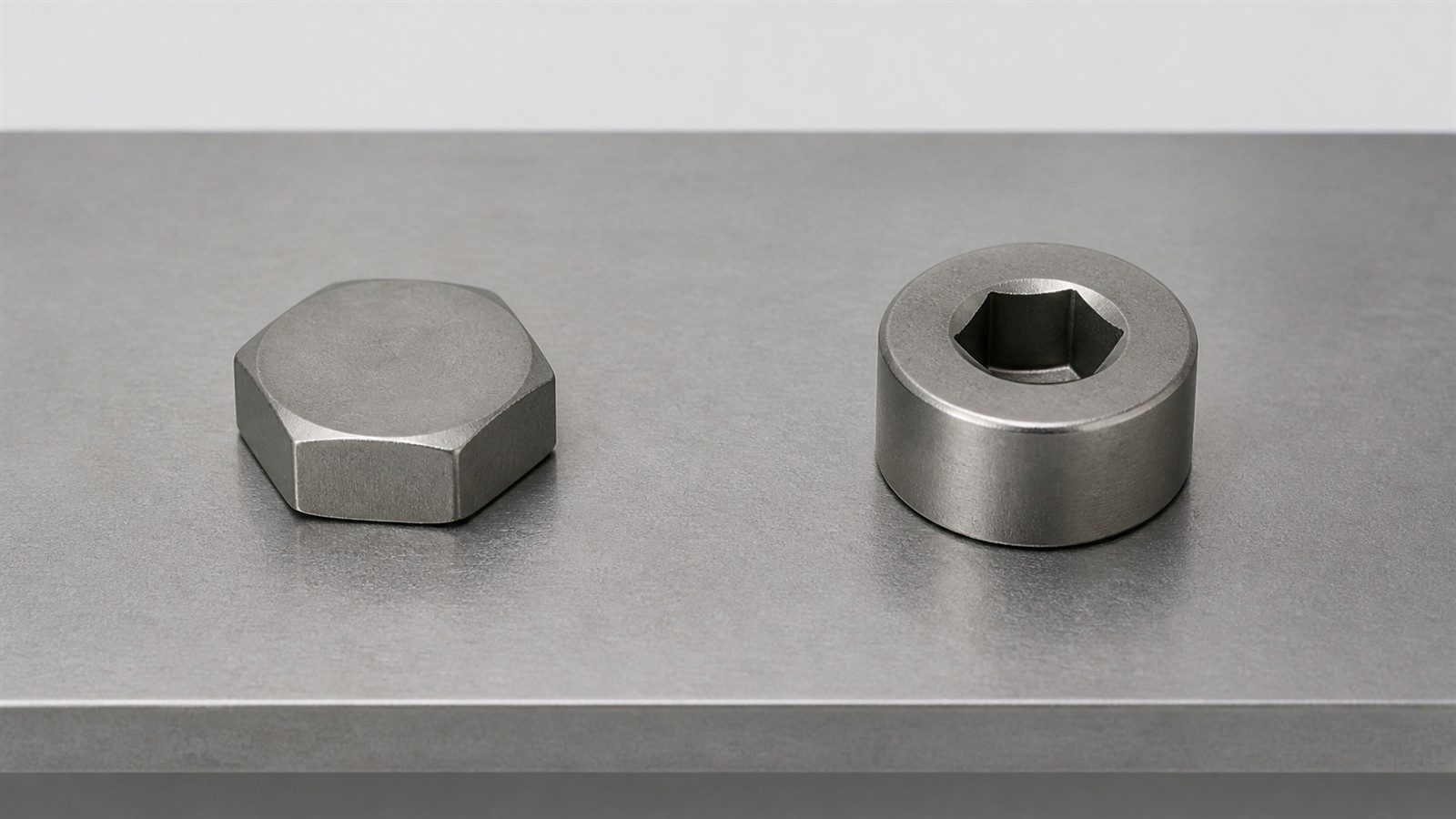
The references in the cards are not universal definitions for every size. ISO 4014 addresses the product features of hexagon head bolts within its scope, while ISO 4762 addresses hexagon socket head cap screws within its own scope. A controlled drawing may be the governing product definition instead. Either way, a buyer must check the applicable range and the actual order line.
Using 10.9 for both lines aligns one performance field. It does not turn an external hexagon into an internal drive, assign the same dimensions, resolve installation clearance or create one interchangeable part number.
Material and finish need their own order language
A property class does not uniquely name one steel grade. Where a buyer requires a specific material, chemical composition or traceability route, that requirement and its evidence belong in separate fields. Where no single grade is prescribed, the supplier's material choice still has to remain within the applicable standard, product conditions and agreed order boundary.
Finish is equally independent. An uncoated fastener and an electroplated finished fastener are different delivery states; 10.9 does not select a coating system. ISO 4042 can provide the relevant basis for electroplated coating systems on steel fasteners. The coating system, finished condition and required records still need to be written into the order. Coating thickness, process parameters and hydrogen-embrittlement controls require the controlled standard text and the actual order conditions. ISO 4042:2022 has a published 2026 amendment; this article does not infer the content of that amendment.
Marking is identification, not the entire evidence chain
A 10.9 marking on a part or package can help identify the property class being claimed. By itself it does not prove the specified material, every finished-fastener result or complete order conformity. Procurement should start by asking what has to be demonstrated and how that evidence connects to the order line and lot.
- Part or package identification helps connect the goods with a stated specification or lot trail; it is not a complete material or performance record.
- Material evidence addresses material information required by the order; it does not automatically prove all finished-fastener and surface requirements.
- Finished-fastener inspection information addresses agreed finished-product checks; it cannot add requirements that the order never specified.
- The order or drawing establishes the agreed product and delivery baseline; it is not proof that a particular lot has completed every requirement.
If a declaration of conformity, test report or another fastener inspection document is required, state its content, order-line reference and lot linkage at the time of purchase. ISO 16228 provides a basis for ordering such documents; it does not mean that one document is supplied automatically or proves every layer.
A mating nut also needs a scoped check. ISO 898-2 covers specified-property-class steel nuts and their mating relationship with ISO 898-1 externally threaded fasteners within its range. That relationship is standardized, but it is not a licence to derive the nut requirement from the decimal mark alone. Thread, nut product, property class and surface state still have to be confirmed together.
Build the RFQ around five connected fields
Instead of sending only “Hex bolt, 10.9”, connect the minimum specification chain:
product identity or controlled drawing + size and thread + property class + material and finish + mating parts and documents
This does not require the same document pack for every routine order. It makes clear what the buyer has decided, what the supplier must confirm and which finished condition is to be quoted and delivered.
To prepare an enquiry with Wohe Fastener, send the drawing or product specification, surface condition, quantity and document requirements. Those inputs can then be used for specification clarification and quotation coordination.
Technical references and verification date
- ISO 898-1:2013 is the current published edition, confirmed in 2025 and now marked for revision. ISO 898-1:2013/Cor 1:2013 is published, while ISO/AWI 898-1 remains at an early development stage. The work item is not treated as a current delivery basis.
- ISO 4014:2022 and ISO 4762:2004 support the two product examples.
- ISO 898-2:2022 supports the limited nut-mating discussion.
- ISO 4042:2022 and published ISO 4042:2022/Amd 1:2026 support the electroplating boundary. Amendment details require controlled text and are not inferred here.
- ISO 16228:2017 supports the ordering boundary for fastener inspection documents.
Official ISO status and public scope were rechecked on 29 August 2026. This guide helps structure a purchase specification; it does not replace controlled standards, customer drawings, engineering selection or agreed order requirements.