Why solar fastener kits matter in 2026
Solar projects are moving faster, and EPC buyers are under pressure to reduce site delays. A missing washer, a mismatched channel nut or an unclear package label can slow down an installation team even when the main racking system is ready.
For that reason, solar mounting fastener kits should be specified as complete assemblies, not only as separate bolts and nuts. A good kit supports the rail profile, panel clamp, roof or ground structure, installation torque and export packing method.
Start from the racking system
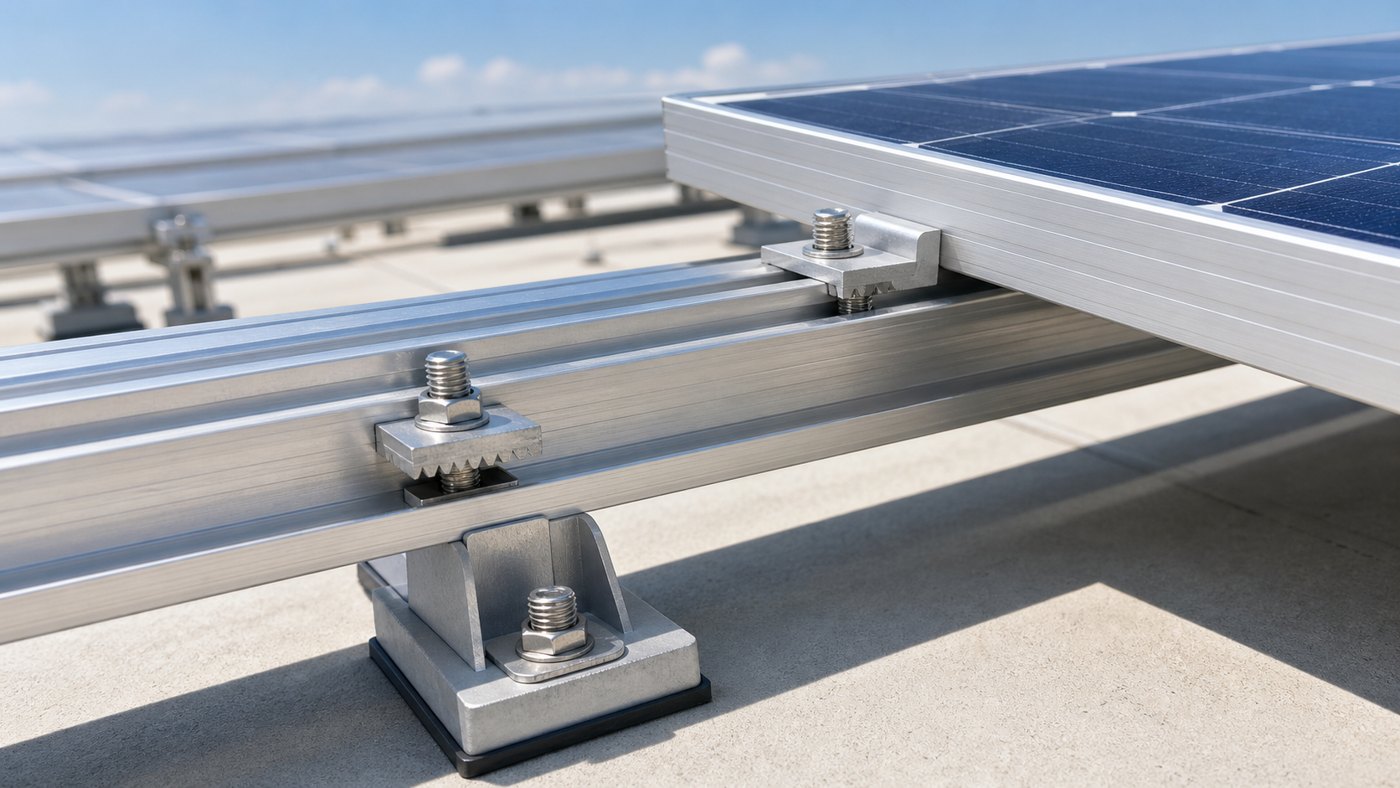
Before choosing the fastener, confirm the mounting system type: rooftop rail, ground mount, carport, tracker, or a custom aluminum profile. The slot width, rail groove depth, clamp design and access space determine whether a T-bolt, hammer-head bolt, channel nut or standard hex bolt is suitable.
Buyers should send rail drawings or a sample profile when possible. Small differences in the rail channel can change the channel nut width, spring requirement, washer diameter and bolt length.
Core items in a solar mounting kit
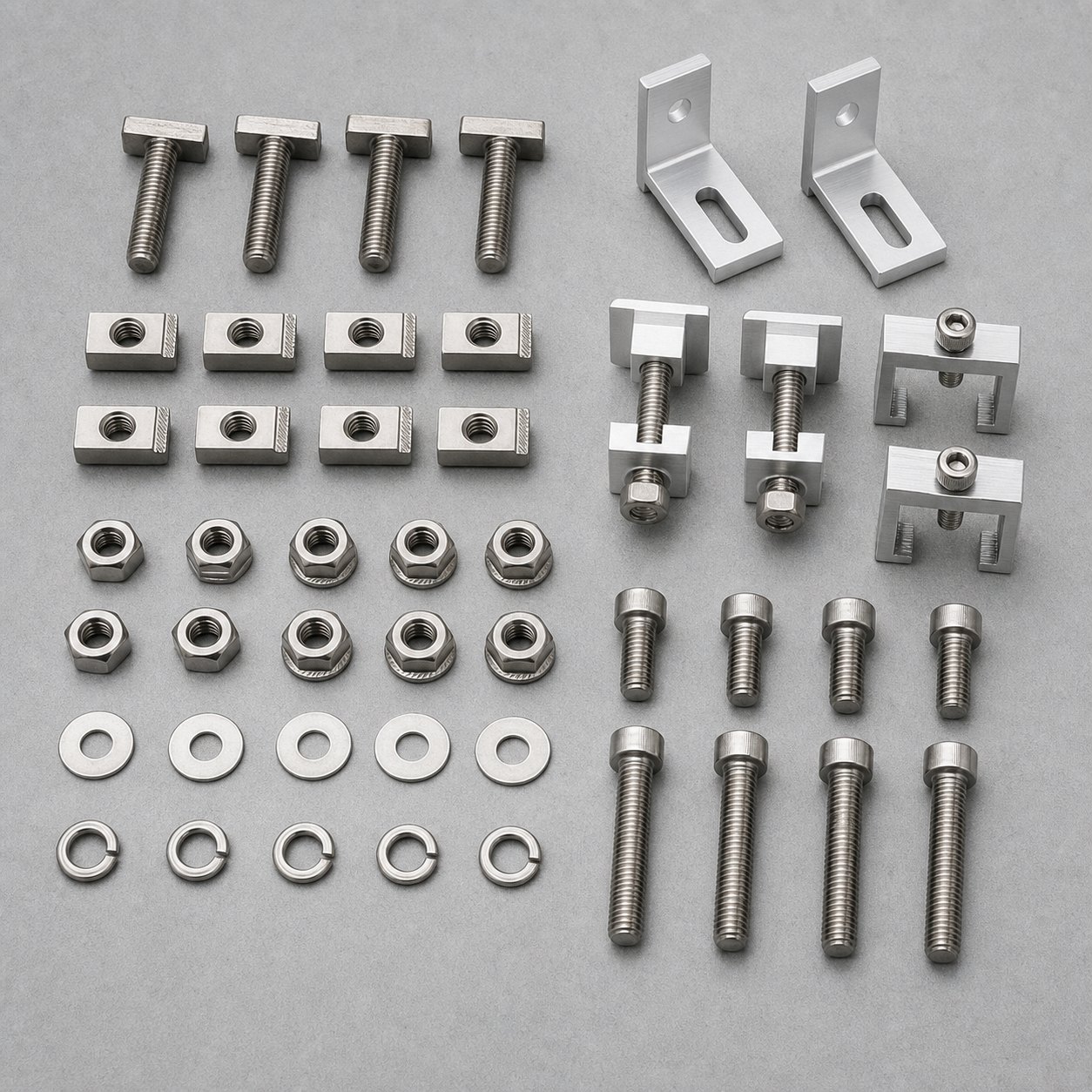
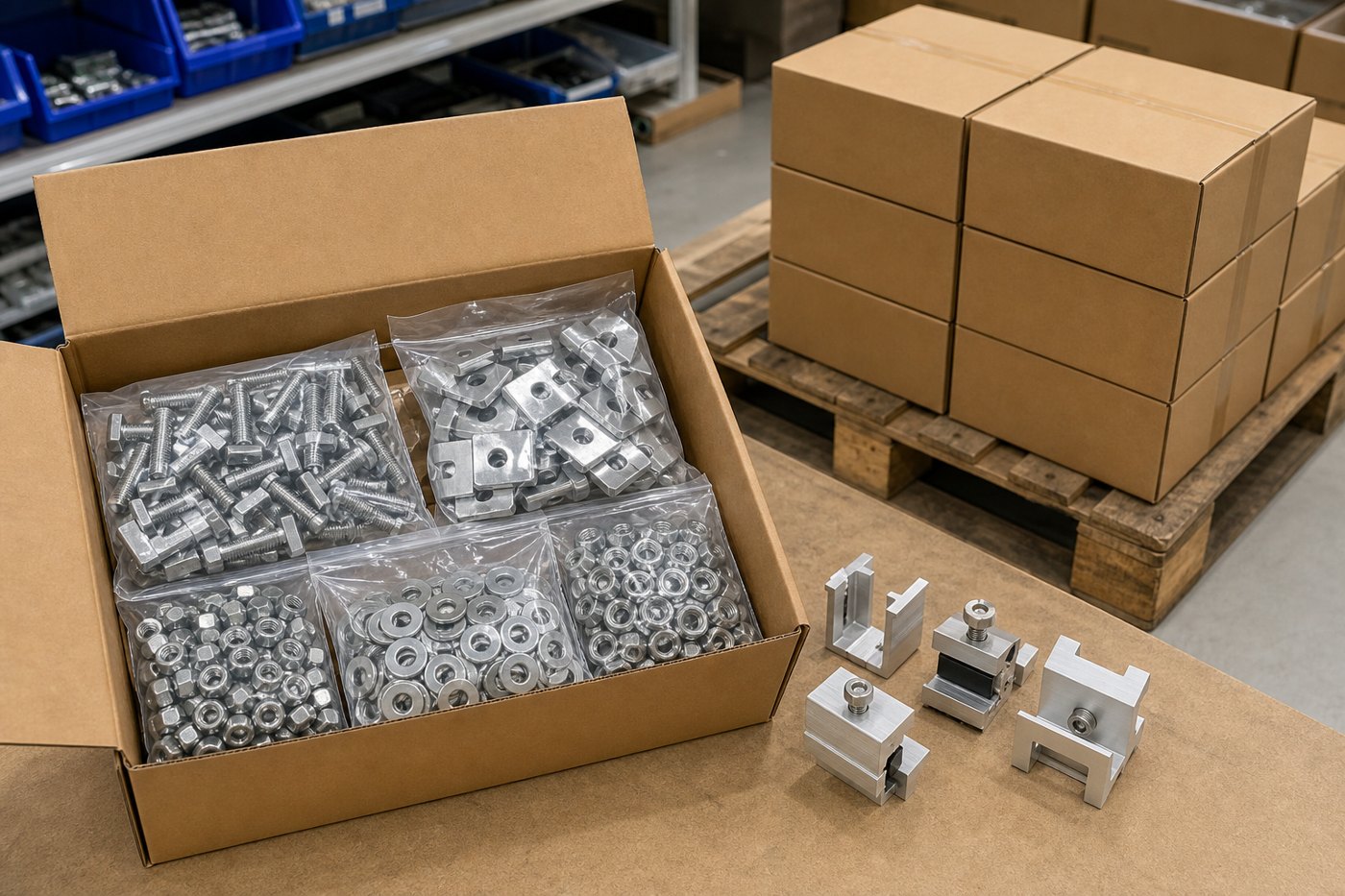
A typical kit may include T-bolts, channel nuts, hex nuts, flange nuts, flat washers, spring washers, mid clamps, end clamps, grounding washers, hanger bolts, roof hooks or small brackets. The exact list depends on the structure and installation method.
When the bill of materials is clear, the supplier can pack parts by installation position, reduce counting errors and make repeat orders easier for the project team.
Material and coating choices
Stainless steel 304 is common for many outdoor solar mounting projects, while 316 stainless steel is often considered for coastal or chloride-rich environments. Hot dip galvanized carbon steel may be used for heavier steel structures when the surrounding components are also galvanized.
The right choice depends on corrosion risk, contact with aluminum or steel, required strength, project standard and budget. Buyers should avoid mixing materials without checking galvanic corrosion and service environment.
Pre-assembly improves installation efficiency
Pre-assembled parts can reduce time on site. For example, a T-bolt with washer and nut, a channel nut with spring, or a clamp set packed by rail position can help installers work faster and avoid missing small components.
However, pre-assembly must match the real torque and sequence used by the installer. Confirm whether the nut should be finger-tight, fully tightened, or packed loose for final adjustment.
Thread fit, torque and anti-galling
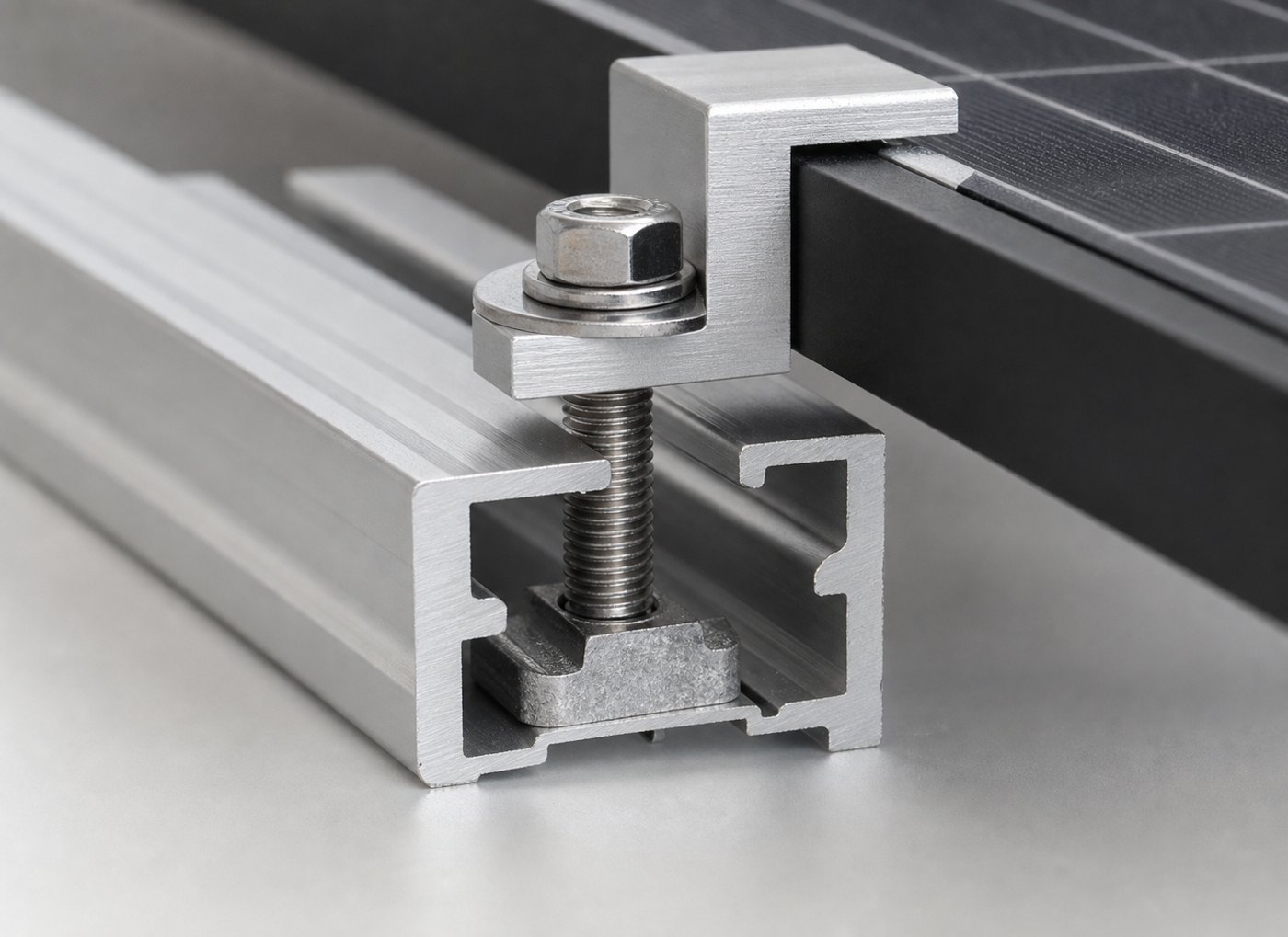
Solar fasteners are often installed repeatedly across thousands of panel positions. Thread fit should be consistent, and stainless steel assemblies may need attention to galling when installed at high speed or high torque.
Useful RFQ details include thread size, length, nut type, washer type, torque requirement, surface finish, salt spray target if any, and whether anti-seize lubricant is required.
Export packing and labeling
For export orders, packing is part of the product. Mixed kits should be sorted into bags, cartons and pallets according to the installation sequence. Carton weight, moisture protection and clear item separation can prevent confusion at the job site.
If the project uses many similar sizes, ask for bag-level labels, carton marks, pallet labels and a packing list that matches the BOM. This makes customs clearance, warehouse receiving and site distribution easier.
What to send for a faster quotation
Send the product drawing, rail profile, BOM, material requirement, coating requirement, quantity, packing method, destination port and expected delivery time. If you do not have a final drawing, provide photos or samples of the rail and clamp.
Wohe Fastener supplies fastener products for export buyers, including solar fasteners, construction fasteners and custom kits. We can support specification review, material discussion, kit packing and stable batch delivery.
Send your solar mounting drawing or BOM for a fastener kit quotation