Product Specifications
| Material | Plastic |
Product Introduction
Steel profile end caps (also called profile end covers, end closures, or edge cover caps) are fittings specifically used to close the ends of open or hollow profiles such as C-channel steel, channel steel, and H-beam. Their core functions are to cover sharp cut edges, prevent dust and moisture from entering the interior of the profile, and improve the flatness and appearance of the end. Depending on the material, they are mainly divided into two categories: metal end caps (stamped steel plate, cast steel/aluminum alloy) and plastic end caps (PE, engineering plastics), corresponding respectively to heavy-duty structural protection and lightweight decorative sealing scenarios.
I. Product Features
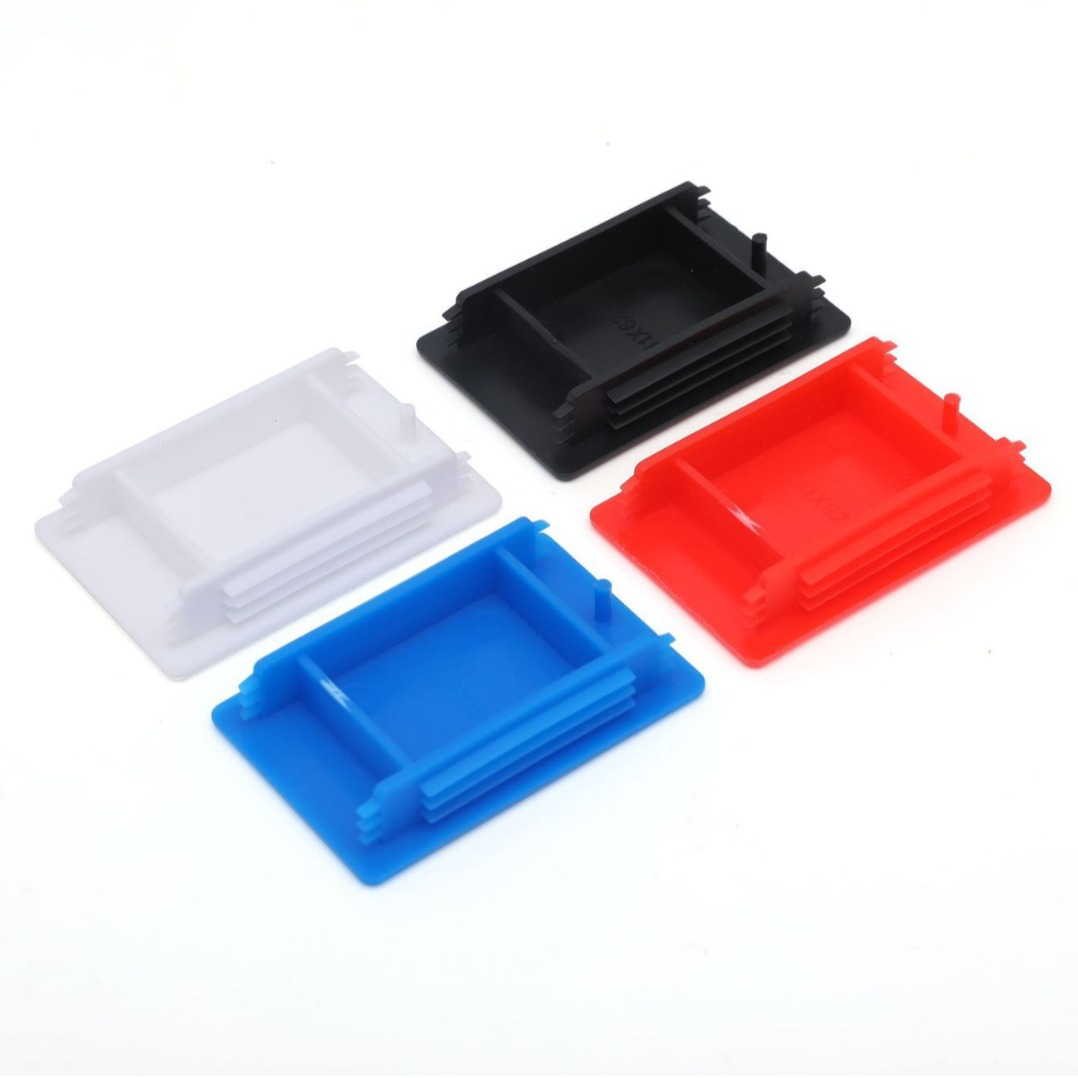
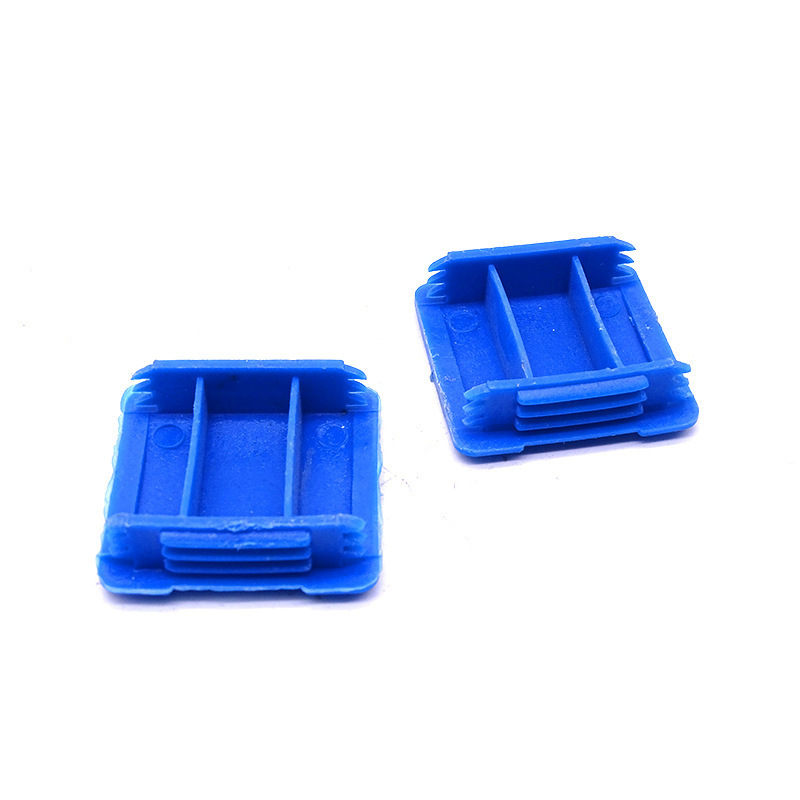
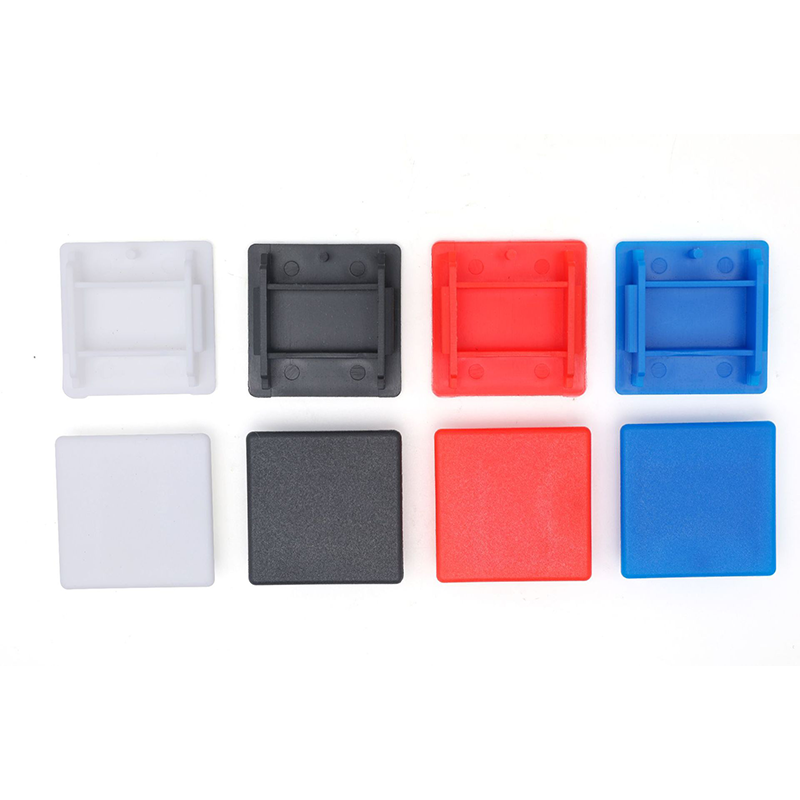
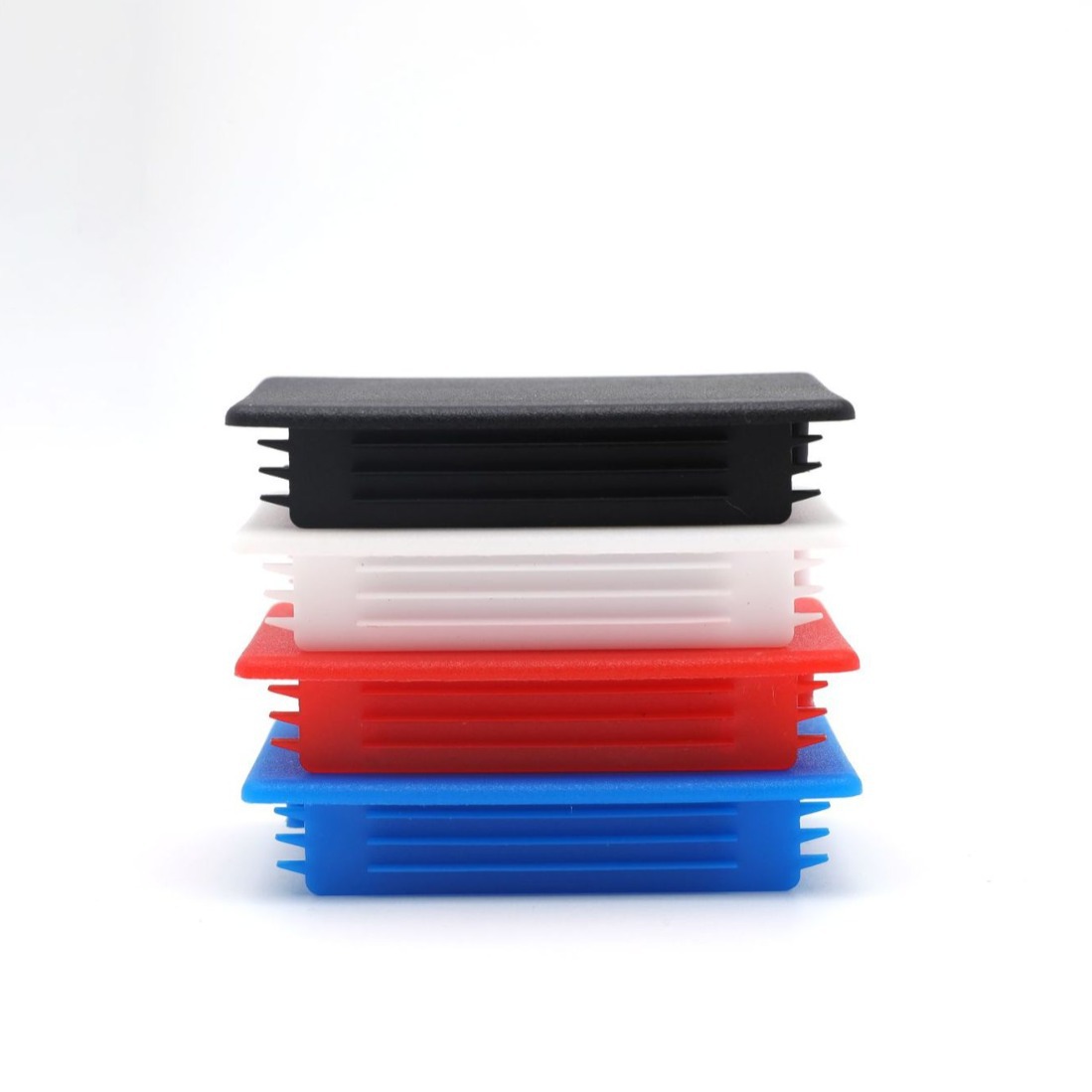
Highly matched shape: Fully matches the cross-section of C-channel steel, channel steel, etc., usually in a "凵" or "U" shape, and can fit tightly into the end opening. Some designs have protrusions or clips that engage with the profile edges, making them not easy to fall off after installation.
Flexible installation methods: Metal end caps can be fixed by welding, bolts, or clips; plastic end caps are mostly sliding-fit or clip-on, some with self-tapping screw holes, allowing quick installation without additional tools.
Materials differentiated by scenario: Metal end caps are commonly stamped from Q235 carbon steel or made of cast steel/aluminum alloy, with high strength and impact resistance, suitable for load-bearing and industrial environments; plastic end caps are mostly PE or engineering plastics, lightweight, corrosion-resistant, and UV-resistant, suitable for decorative and non-load-bearing scenarios.
Mature surface treatment: Metal end caps are usually galvanized, powder-coated, or painted to improve rust and corrosion resistance; plastic end caps are supplied in natural color or colored (red, blue, white, etc.), combining identification functions.
II. Product Advantages
Eliminates safety hazards: The cut edges of steel profiles are sharp, and when unsealed they can easily cut construction workers, with even higher risk during nighttime or work in confined spaces. Covering the opening with an end cap can significantly reduce this risk of injury.
Protects the profile interior and extends durability: Exposed openings easily accumulate rainwater, dust, and construction debris, which over time can cause local corrosion of the steel and weaken the load-bearing capacity of the component. Once sealed with an end cap, it effectively prevents dust, water, and oxidation, keeping the interior clean.
Ensures pouring and construction quality: At floor deck or concrete joint areas, if the C-channel steel opening is not sealed, concrete slurry may flow into the profile cavity, causing material waste and quality issues such as voids and honeycombing. End caps are a key detail in ensuring pouring quality.
Improves appearance and provides structural assistance: The flat end face can be flush with surrounding structures, enhancing overall aesthetics; some end caps with reinforcing ribs can also help strengthen the deformation resistance of the steel profile end.
III. Scope of Application
Building steel structures: End sealing of C-channel steel purlins, channel steel beams and columns, floor deck edge formwork supports, etc., balancing construction safety and structural durability.
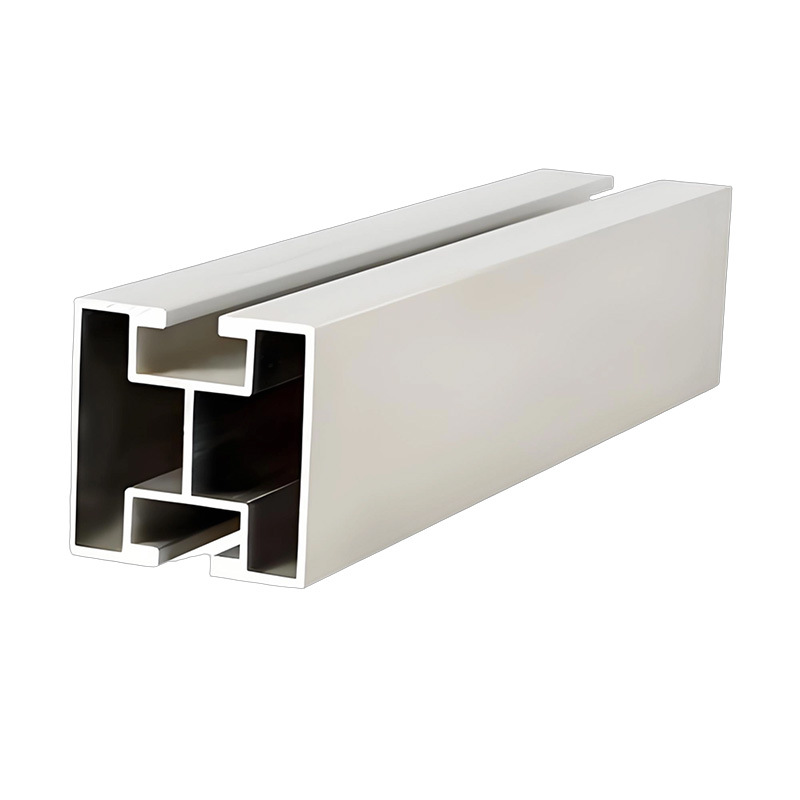
Photovoltaic mounting systems: End sealing of C-channel steel rails (common specifications such as 41×41), dust and water prevention; some colored end caps can be used to distinguish zones or polarity identification.
Seismic bracing and mechanical/electrical installation: Channel steel end caps are used in support and hanger systems to prevent end oxidation and installation scratches, keeping the piping system neat.
Warehouse racks and industrial frames: End caps for square tubes, channel steel, and other profiles, preventing dust and improving appearance; some metal end caps are also suitable for industrial environments subject to certain impacts.
General manufacturing and interior decoration: For wire troughs, furniture frames, display racks, and other occasions requiring lightweight and appearance, plastic end caps are mostly selected.