Product Specifications
| Material | Aluminum Alloy |
Product Introduction
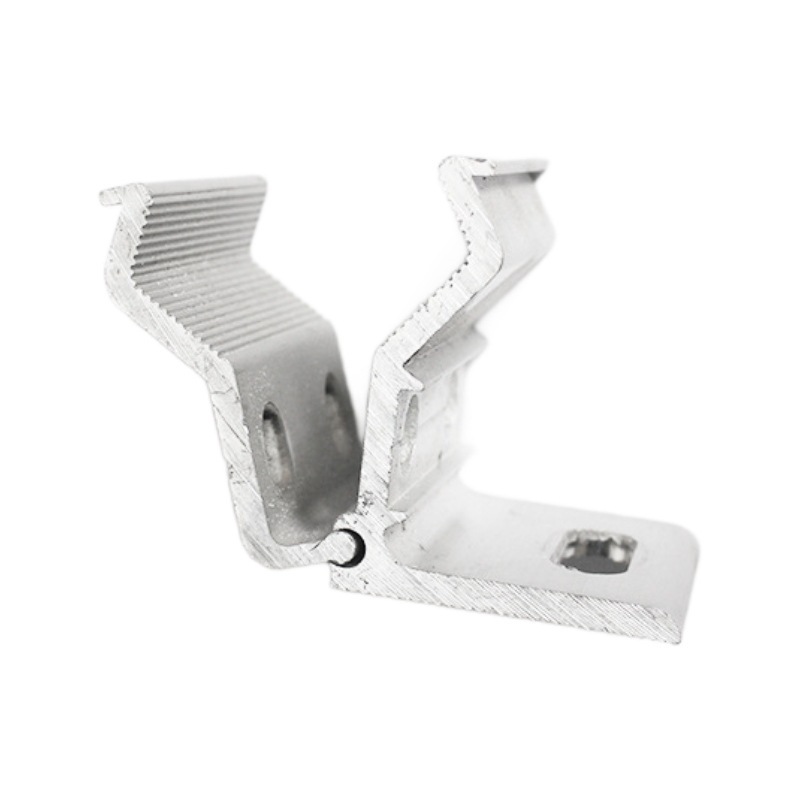
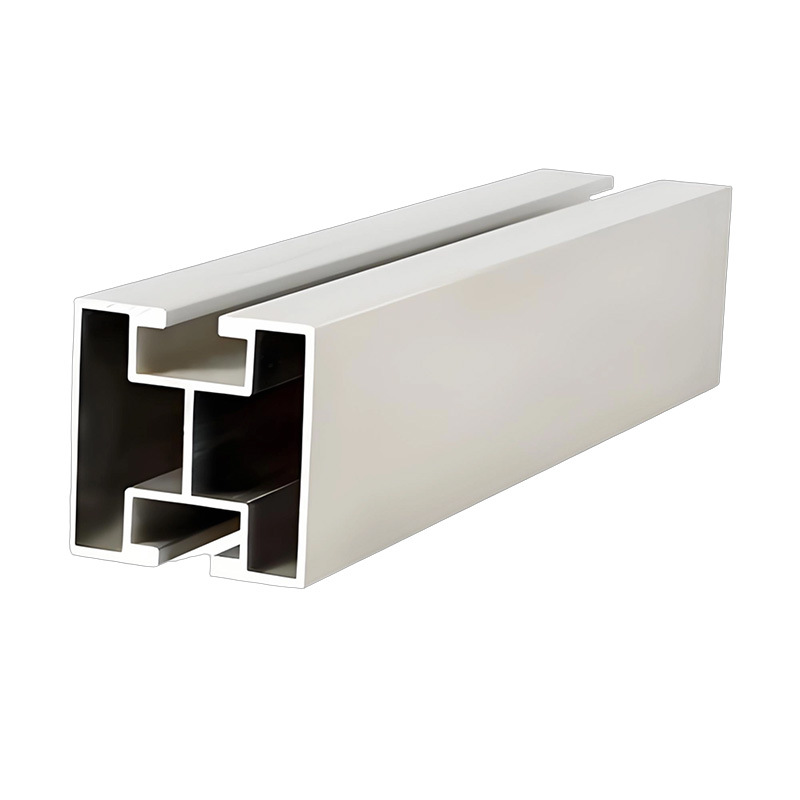
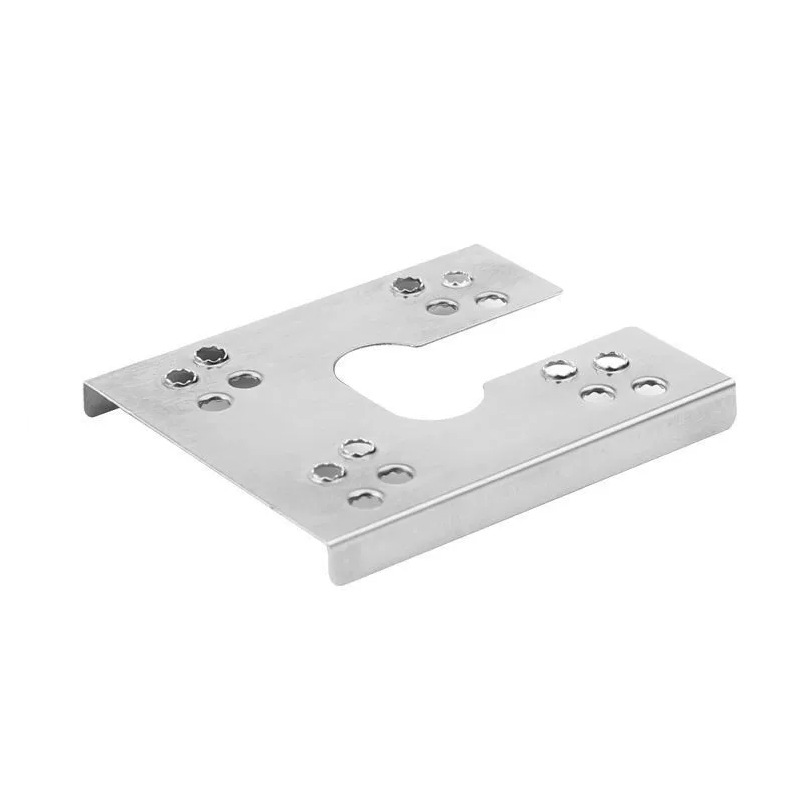
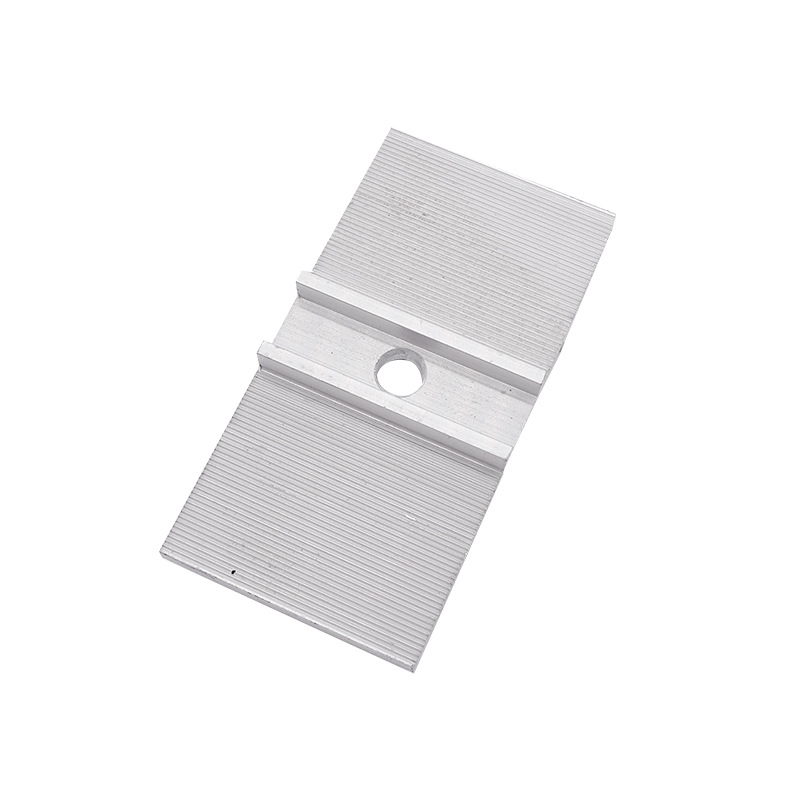
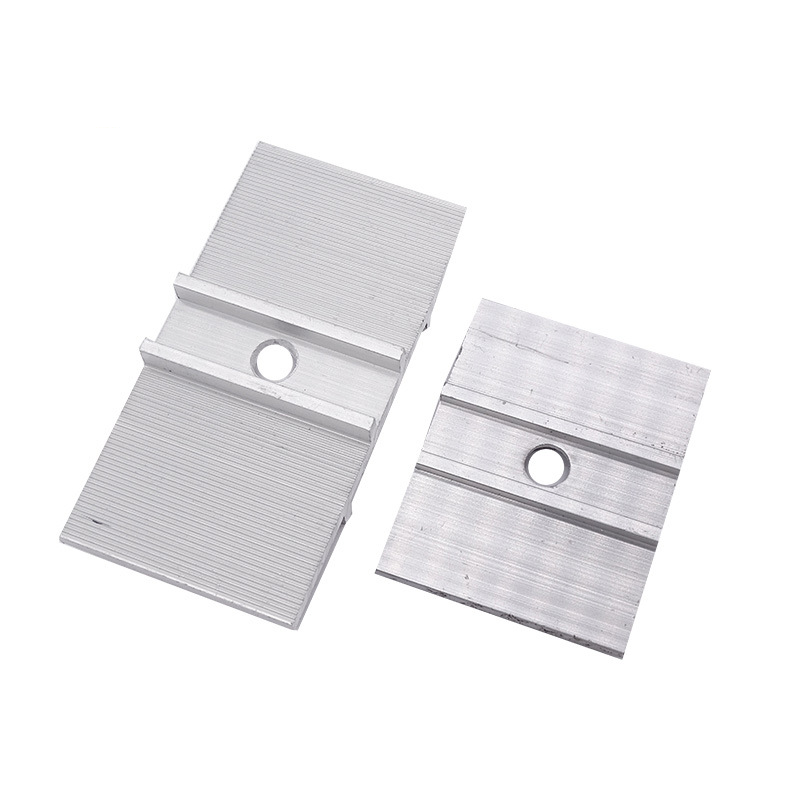
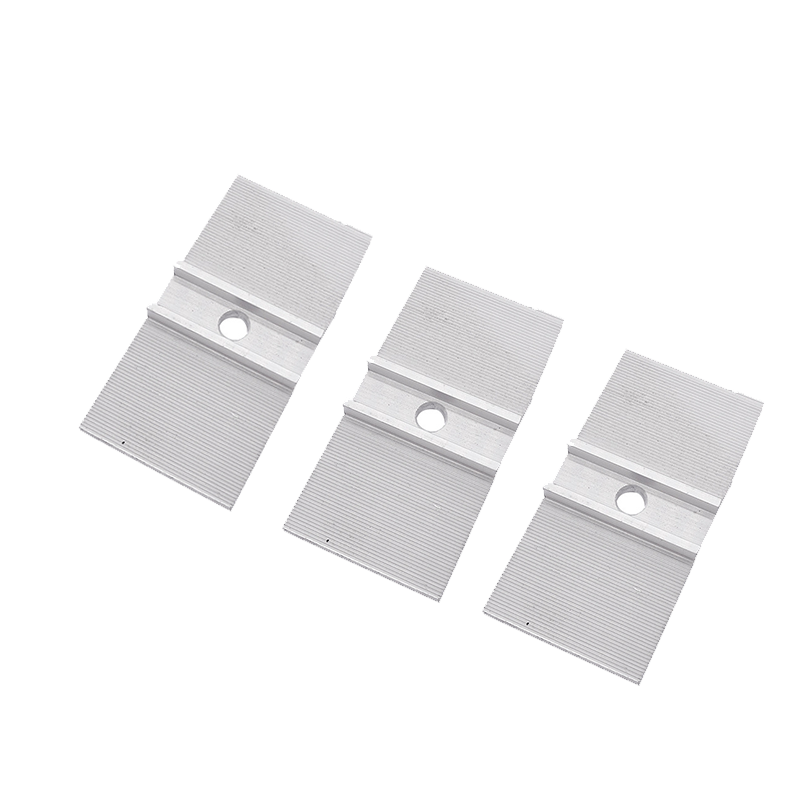
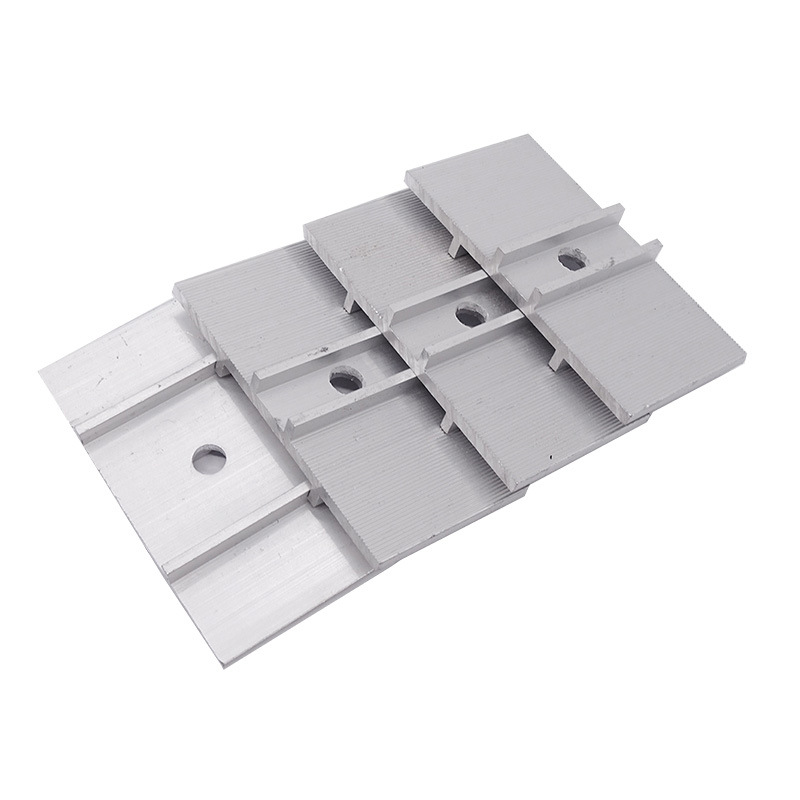
The photovoltaic mid support (full name: aluminum alloy mid support block or mid support plate) is a module support and transition connector used together with clamps in photovoltaic mounting systems. It is usually installed between the mounting rail and the PV module and serves as the load-bearing base when the clamp is tightened. Unlike the mid clamp, which is responsible for locking the module, the mid support is mainly responsible for bearing, raising, and distributing pressure. By supporting the module in a raised position, it not only ensures ventilation and heat dissipation on the back of the module but also optimizes the load distribution of the mounting rail purlins. Its mainstream material is 6063-T5 aluminum alloy with an anodized surface, combining lightweight construction with outdoor weather resistance.
I. Product Features
Supporting and raising structure: The mid support is installed on the rail and provides a stable supporting plane for the module, maintaining a reasonable gap between the module and the rail to prevent direct friction on the frame or accumulation of water and dust.
Lightweight yet strong material: It is extruded or die-cast from 6063-T5 aluminum alloy, offering light weight for easy transportation and installation while providing sufficient compressive strength and deformation resistance.
Anodized surface for corrosion protection: The surface is anodized (film thickness usually 8–10 μm), forming a dense oxide film with strong rust resistance and suitability for long-term outdoor exposure.
Anti-slip tooth pattern design: Some mid supports have a toothed texture on the contact surface, which increases friction with the module frame or clamp and improves slip resistance under wind load.
Customizable specifications: Common lengths include 40 mm, 50 mm, and 60 mm, and they can be customized according to module spacing and load requirements to suit different rail profiles.
II. Product Advantages
Reduces purlin usage and lowers mounting structure cost: The mid support can transfer module loads more evenly to the rail, thereby reducing the number of purlins required. For example, a 2×10 array that originally required 4 purlins can be reduced to 3 purlins after using mid supports, directly lowering the material cost of the mounting system.
Protects the module and clamp system: As a transition layer between the clamp and the rail, the mid support distributes the local pressure during tightening, preventing deformation of the module frame or rail caused by stress concentration while providing a flat fastening base for the clamp.
Improves installation stability and efficiency: When used with clamps, the mid support makes module positioning more orderly, prevents displacement and lateral sliding of the mounting structure, and ensures the flatness and consistency of the entire row of modules.
Outdoor service life matches the power plant cycle: The aluminum alloy body with anodized treatment offers good corrosion resistance in conventional outdoor and high-salt-spray environments, and its design life can cover the long-term operation requirements of a PV plant.
Convenient maintenance throughout the life cycle: Compared with direct bolted fixing, the solution combining mid supports with clamps is more flexible and quicker when modules need to be removed or adjusted, facilitating later operation and maintenance.
III. Scope of Application
Ground-mounted PV plants: Module supporting and transition connections in large ground-mounted arrays, used with clamps to achieve large-scale rapid installation.
Commercial, industrial, and residential distributed rooftops: Scenarios such as color steel tile roofs and concrete flat roofs, used for stable support of modules on rails, especially suitable for projects sensitive to mounting structure weight and cost.
BIPV (building-integrated photovoltaics) systems: Used as module supporting nodes in waterproof PV roofs, together with waterproof rails and clamps.
High-salt-spray and corrosive environments: Anodized aluminum mid supports are suitable for coastal or industrially polluted areas; for heavy-load scenarios, hot-dip galvanized carbon steel mid supports can also be selected.
Agricultural and fishery PV projects: Provide weather-resistant module support in long-term outdoor exposure projects such as agrivoltaics and fishery-solar hybrid systems.