Product Specifications
| Material | Carbon Steel |
Product Introduction
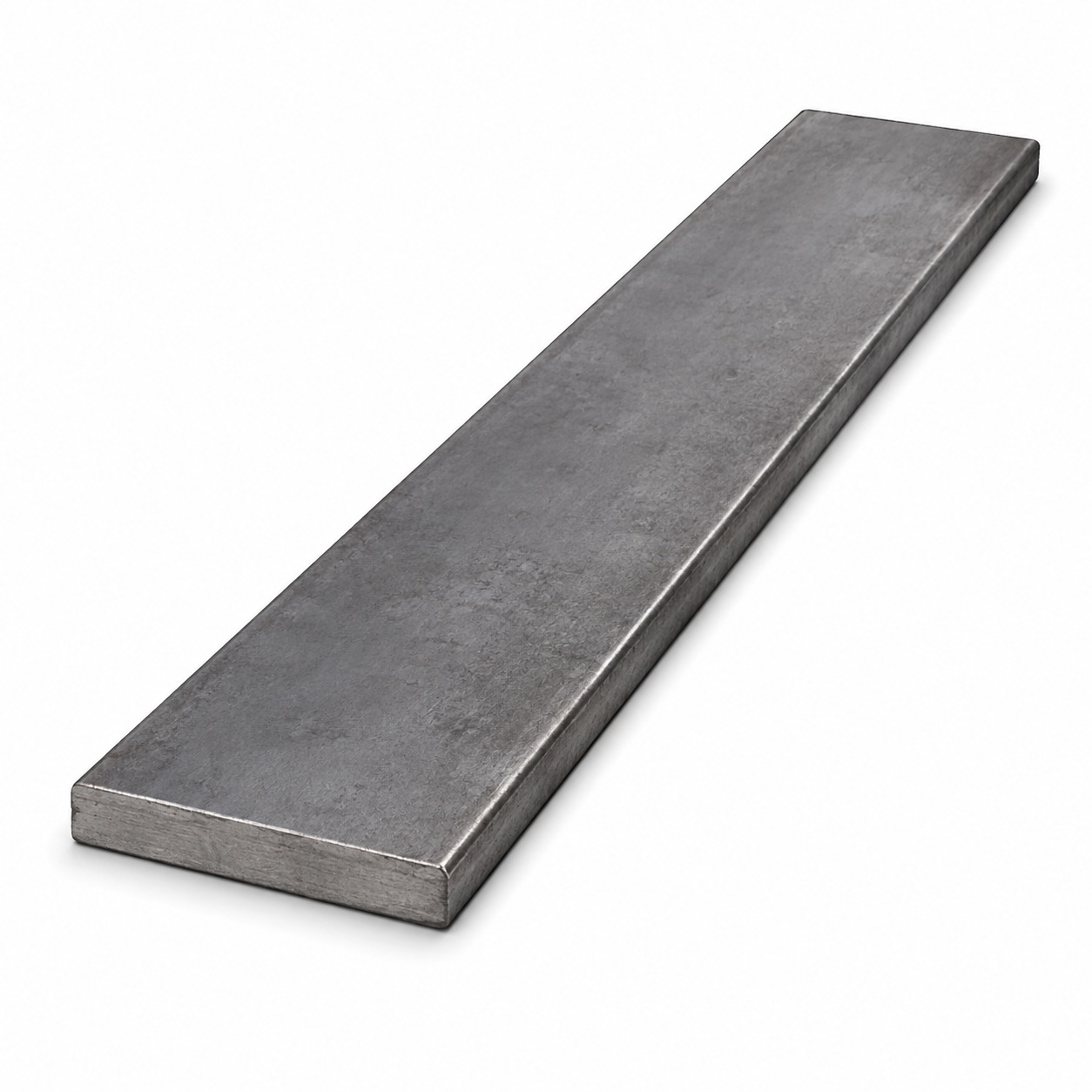
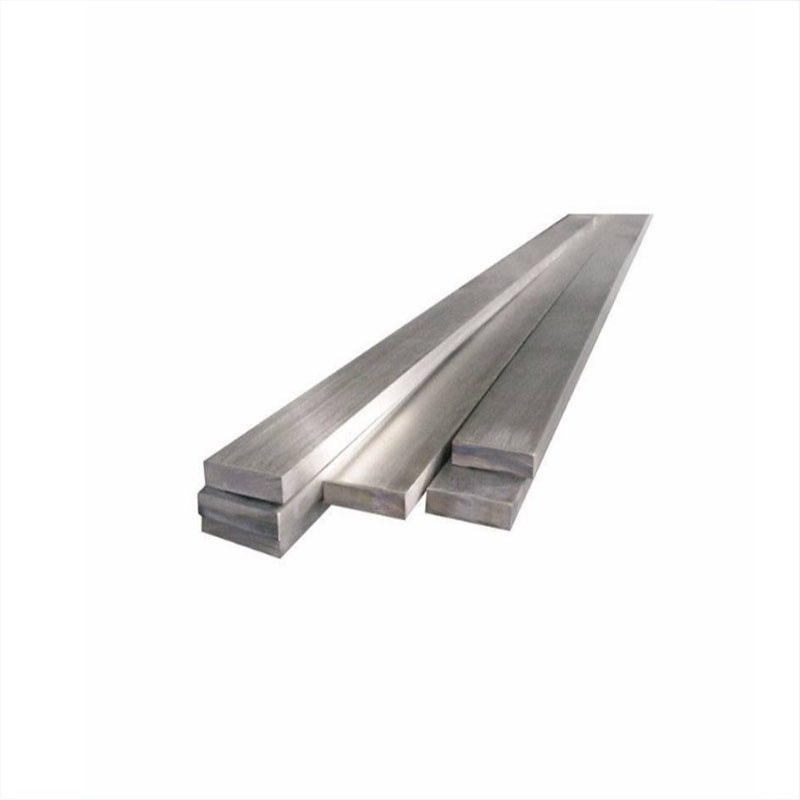
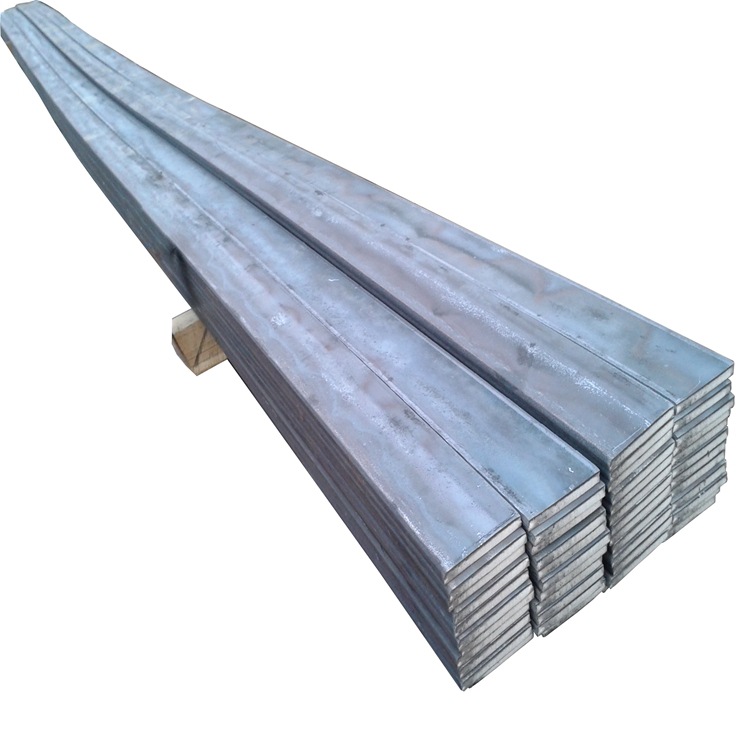
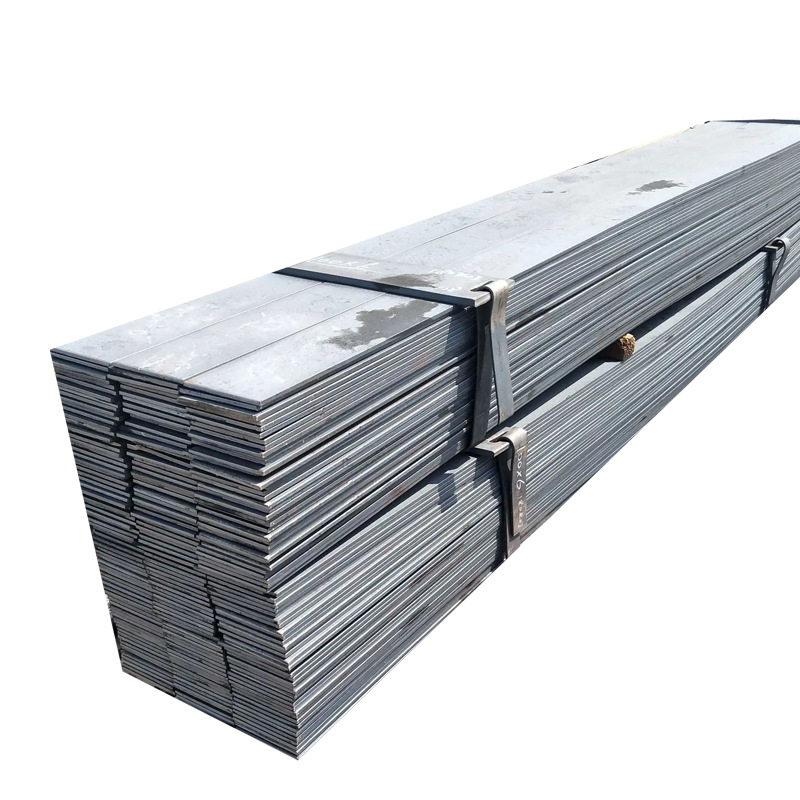
Hot-dip galvanized flat steel (commonly called hot-dip galvanized flat bar in the industry) is a steel product with a rectangular cross-section and a surface treated by hot-dip galvanizing. It usually uses Q235B low-carbon steel as the base material, with common thicknesses of 3–20 mm, widths of 20–300 mm, and lengths mostly in 6-meter standard lengths. The flat steel is immersed in molten zinc at about 450°C, forming a zinc-iron alloy layer and a pure zinc layer on the surface, thereby achieving excellent anti-corrosion performance.
I. Product Features
Hot-dip galvanizing with metallurgical bonding: The zinc layer forms a metallurgical alloy bond with the steel substrate, adheres firmly, and is not easy to peel off during transportation and installation.
Zinc layer thickness graded according to standards: According to GB/T 13912-2020, the zinc layer thickness is linked to the substrate thickness; the thicker the substrate, the higher the zinc layer requirement. For lightning protection and grounding applications, the zinc layer thickness is usually required to be ≥65 μm; for highly corrosive environments, ≥85 μm is recommended.
Wide specification coverage: Common specifications range from 30×3 mm to 60×6 mm, and wider or thicker sizes can be customized as needed to meet different load-bearing and installation requirements.
Controllable surface quality: Qualified products should have a silver-gray surface or zinc spangle, with no defects such as missed coating, peeling, bubbles, or runs. The zinc layer should bond firmly to the substrate.
Optional pre-drilled holes: Some products are pre-drilled with φ8–φ12 mm mounting holes at common spacings before leaving the factory, eliminating on-site drilling and avoiding damage to the zinc layer from drilling.
II. Product Advantages
Long-lasting anti-corrosion and long maintenance-free cycle: In a general atmospheric environment, the hot-dip galvanized anti-rust layer can last 30–50 years; in urban or coastal areas, it can also remain maintenance-free for 15–20 years. Neutral salt spray testing can reach 1,000 hours without red rust, and the service life of grounding systems can reach 25–30 years.
Balances load-bearing capacity and deformation resistance: The Q235 substrate has a tensile strength of ≥375 MPa and good bending performance, making it not easy to break or deform under support load-bearing, external impact, or soil settlement scenarios.
Flexible installation, weldable and bolt-connectable: Flat steel can be welded, or connected by bolts through pre-drilled holes or on-site drilling. Welding will damage the local zinc layer; after welding, slag should be cleaned promptly and anti-rust paint applied.
“Flat bar/flat steel” are interchangeable terms, with low procurement threshold: In industry practice, hot-dip galvanized flat steel and hot-dip galvanized flat bar refer to the same product, with only differences in naming habits. Procurement can be based on specifications, material, and zinc layer requirements.
III. Scope of Application
Lightning protection and grounding engineering: Building roof lightning protection strips, parapet lightning protection networks, elevator shaft down conductors, substation horizontal grounding electrodes, communication base station combined grounding grids, etc. This is one of the most core uses of hot-dip galvanized flat steel.
Power and communication towers: Auxiliary steel structures and grounding connections for transmission towers and communication towers.
Buildings and steel structures: Roof truss structural members, escalators, steel structure supports, photovoltaic support foundation connections, etc.
Railway and highway protection: Metal components and connectors in railway and highway protection facilities.
General manufacturing: Hoop iron, tools, mechanical parts, etc.