Product Specifications
| Material | Carbon Steel |
Product Introduction
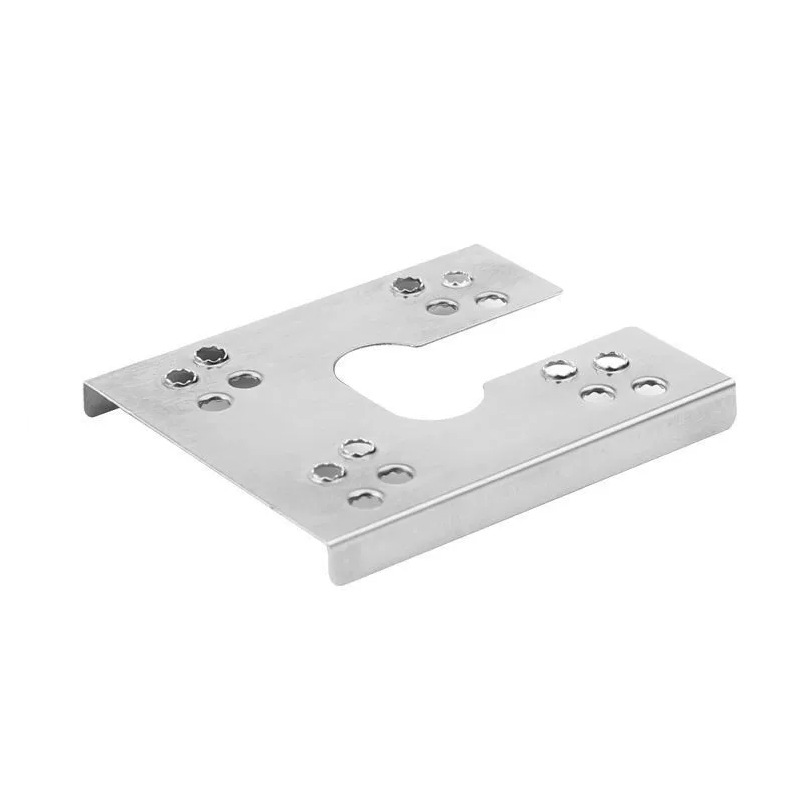
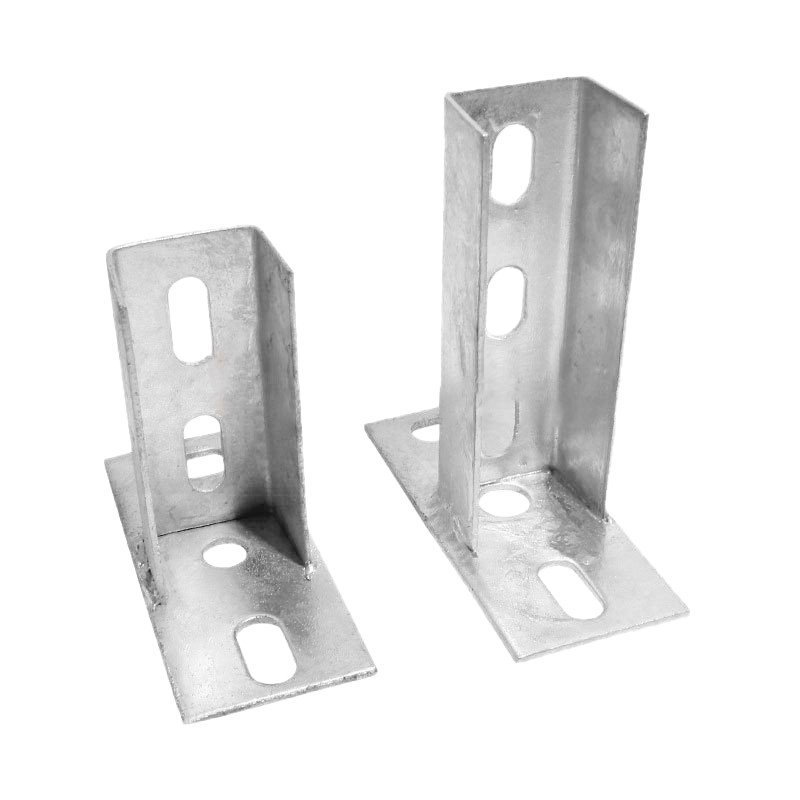
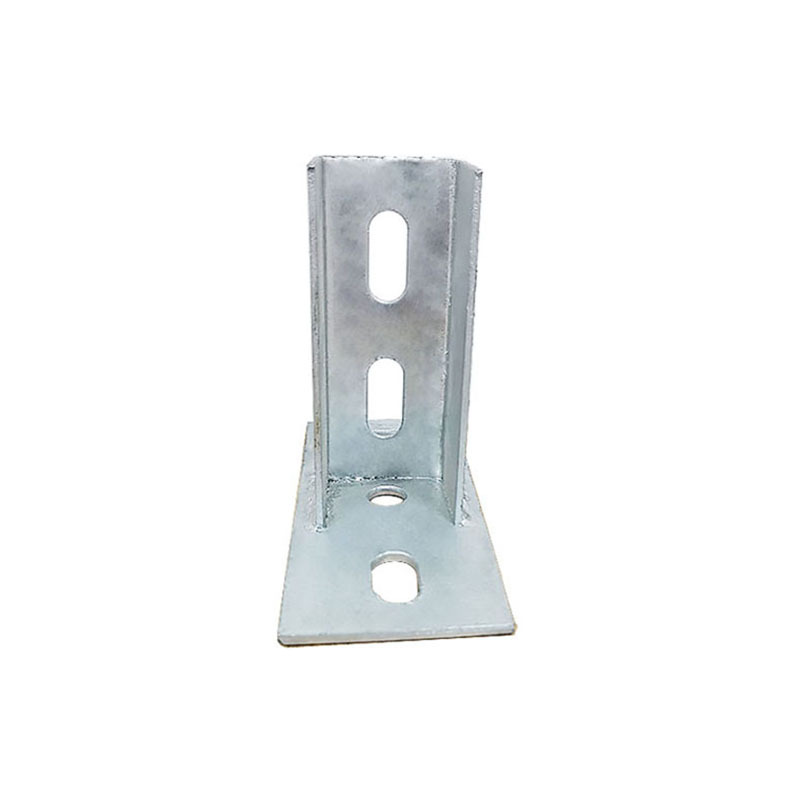
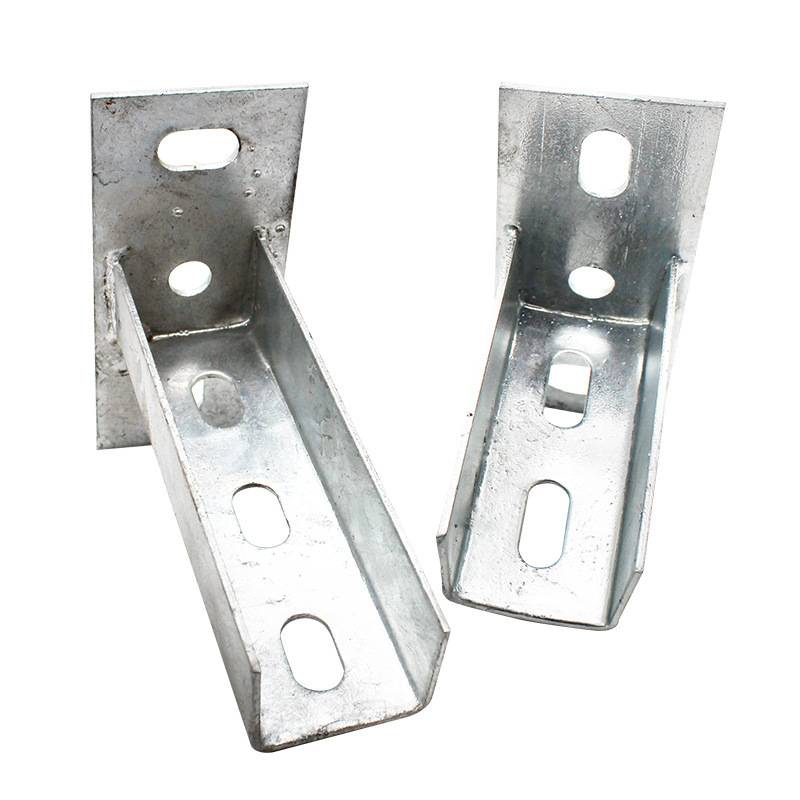
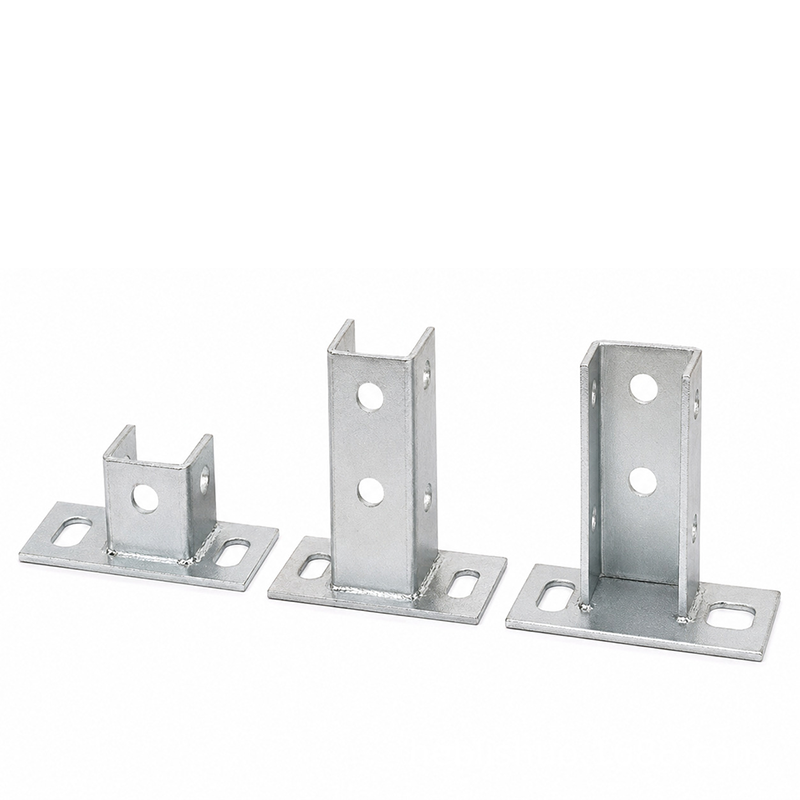
The column base is a nodal connection component that connects a column to the ground, floor slab, or concrete foundation. Its core function is to reliably transfer the axial force, shear force, and bending moment from the upper column to the foundation while restraining displacement at the column base to ensure the stability and verticality of the upper structure. Its structure usually consists of a base plate (flange plate), stiffeners, anchor bolt holes, etc., and it is anchored to the foundation by anchor bolts or expansion bolts. Depending on the application field, column bases differ significantly in material, structure, and installation method, and are commonly used in steel structure buildings, photovoltaic mounting systems, guardrails and fences, industrial automation equipment, traffic signs, and other scenarios.
I. Product Features
1. Diverse structural forms, distinguished by connection and installation method
Flange plate bolted type: The base plate is anchored to the concrete foundation by anchor bolts, and the column is connected to the base plate by welding or bolts. This is the most common form for steel structures and sign columns.
Embedded/hidden column support: The base part is embedded in concrete so that a certain gap (e.g., 300 mm or more) is maintained between the bottom of the column and the ground, effectively preventing rot or water accumulation corrosion at the column base while meeting the concealed appearance requirements of buildings.
Surface-mounted base: Directly fixed to existing concrete or walls by expansion bolts or carriage bolts, without excavation or pouring. Suitable for renovation or DIY scenarios such as fences, pavilions, and carports.
Base for mechanism installation: Used as a set with posts and supports; compact structure, integrating connection, fastening, and support functions, suitable for precision equipment or sensor installation in space-limited applications.
2. Material and surface treatment adapted to working conditions
Carbon steel (Q235, S45C, etc.): Strong load-bearing capacity and cost-effective. The surface is often hot-dip galvanized (thick zinc layer, good weather resistance), electro-galvanized, or treated with hard chrome plating/electroless nickel plating, respectively suitable for outdoor heavy-duty anti-corrosion and precision rust prevention scenarios.
Aluminum alloy/zinc alloy: Mostly used for decorative scenarios such as guardrails and railings. Can be die-cast in one piece, with matte black, gold, bronze, and other coatings on the surface, waterproof, rust-proof, and aesthetically refined.
Wood-plastic composite/composite materials: Used for garden scenarios such as WPC fences and landscape pavilions. The substrate is moisture-proof and corrosion-resistant, zero formaldehyde, and built-in metal reinforcements ensure installation strength. The appearance coordinates with the same series of columns.
3. Strongly targeted load-bearing and anti-rotation design
Steel structure column bases require the base plate thickness and stiffeners to be designed according to pinned or rigid connection requirements; pinned column bases have a simple structure and fast construction and can save 20%–30% of steel compared with rigid connections.
Base for railings and fences often features a square slot + side set screws or built-in reinforcing ribs to ensure the column does not wobble after insertion while covering the traces of drilling on the ground.
Some bases reserve slotted holes or adjustable hole positions, allowing fine adjustment of the column position during installation and reducing the requirement for foundation embedment accuracy.
II. Product Advantages
Clear load transfer path and structural safety: As the transition node between the column and the foundation, the column base disperses and transfers upper loads to the concrete, avoiding excessive local pressure at the column base. Standardized column base design is key to ensuring that the overall structure does not fail before its components.
Protects the column bottom and extends service life: Embedded or off-ground mounted bases isolate wooden or metal columns from the ground, preventing water accumulation and soil moisture from directly attacking the column base and significantly reducing the risk of rot and corrosion.
Flexible installation and lower construction threshold: Surface-mounted bases require no on-site welding or wet work; column installation can be completed by bolting, suitable for renovation projects and rapid construction. Some aluminum alloy or zinc alloy guardrail bases support multi-color customization, combining fixing and decorative concealment.
Adapts to multiple foundation types: From concrete isolated foundations and wall-side installation to pre-drilled holes, micro cast-in-place piles, and PHC pipe piles for photovoltaic supports, column bases can choose the corresponding anchoring or connection method according to foundation conditions.
III. Scope of Application
Building steel structures: Steel column bases for industrial plants, large-span buildings, and multi-story garages, undertaking the transfer of axial force and bending moment at the column base.
Photovoltaic mounting systems: Fixation of the bottoms of front and rear columns in ground-mounted PV plants, adapting to different soils and foundation forms, ensuring the overall stability of the support array under wind load.
Guardrail and fence engineering: Column fixation for highway guardrails, balcony railings, stair handrails, and villa courtyard fences; die-cast aluminum alloy bases combine load bearing and decoration; wood-plastic bases are suitable for WPC and other garden landscape fences.
Timber structure buildings: Concealed nodes for outdoor wooden columns, glulam columns, and CLT columns, connected to concrete foundations through hot-dip galvanized or Dacromet-coated steel supports to meet durability requirements.
Industrial automation and precision equipment: Post mounting bases for sensors, cameras, and small supports; compact space, can be used with posts of different lengths and stiffness.
Traffic signs and municipal facilities: Sign columns are connected to anchor bolts through flange plates; the columns and bases are required to be integrally hot-dip galvanized to meet long-term outdoor rust prevention and wind resistance requirements.