Product Specifications
| Material | Carbon Steel |
Product Introduction
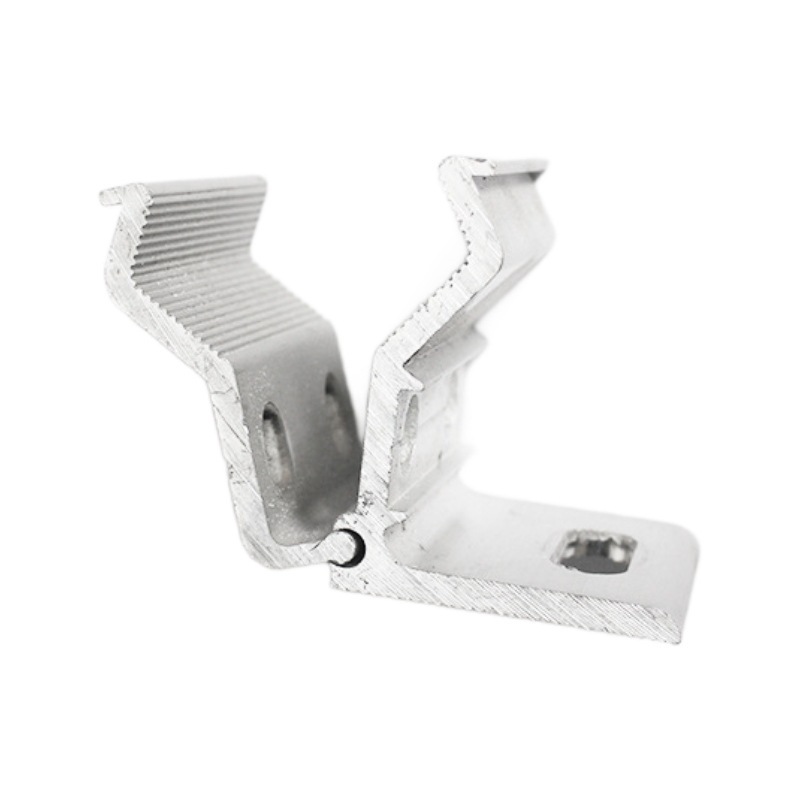
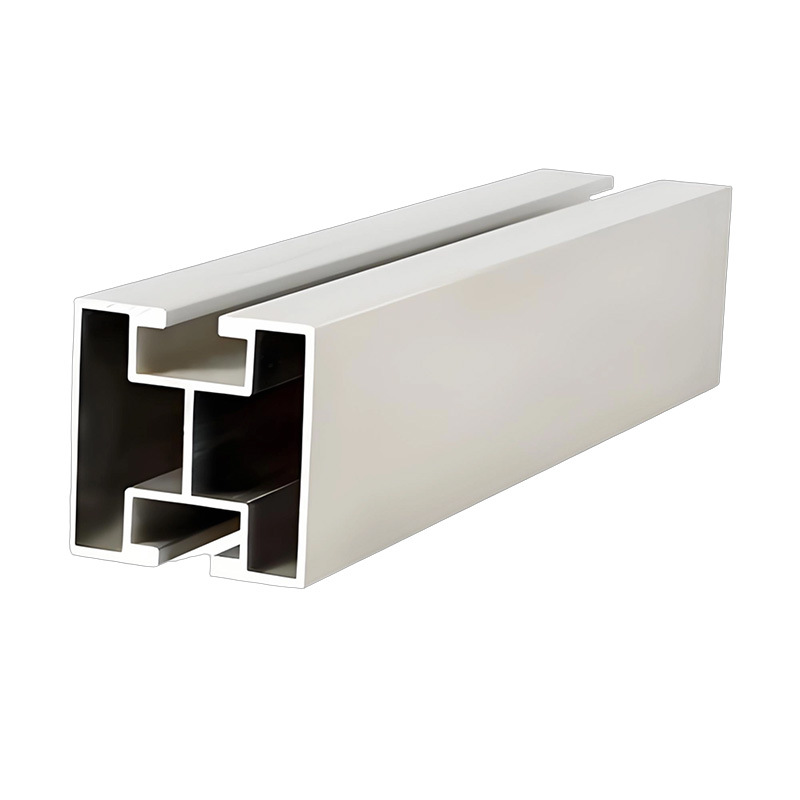
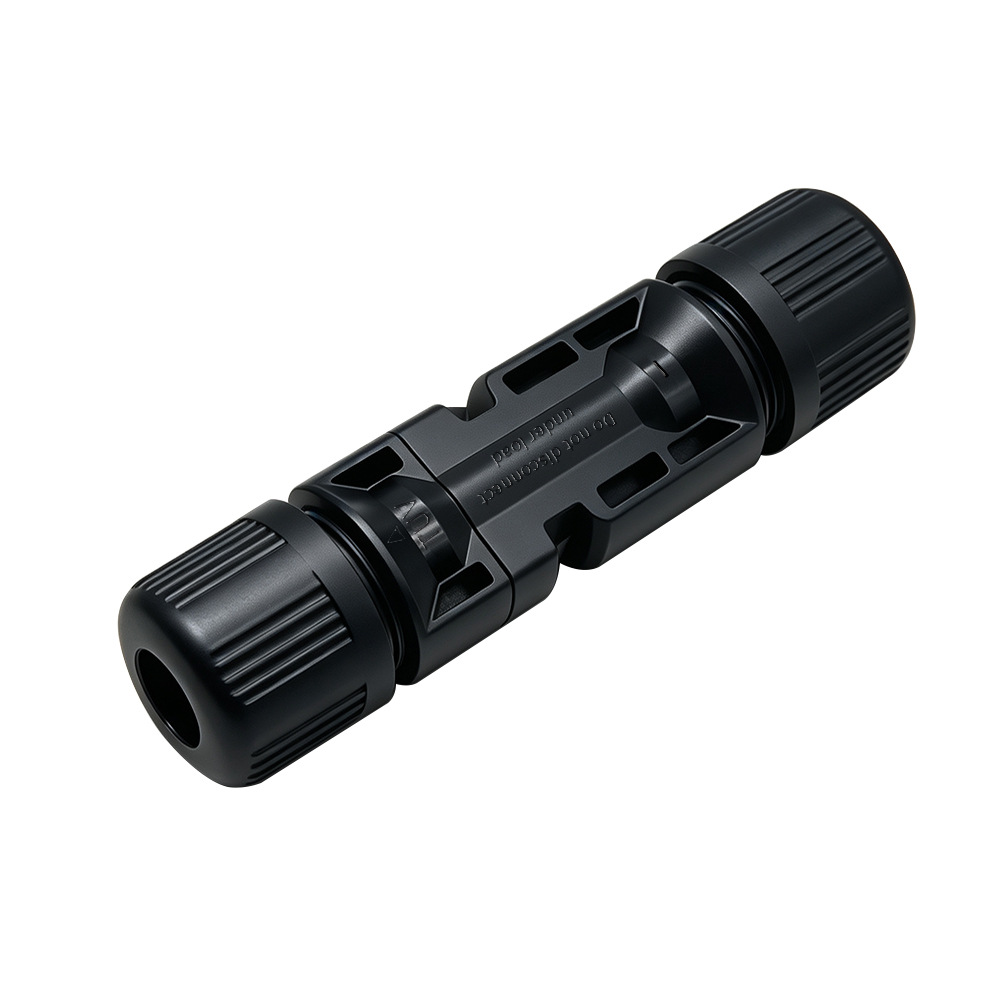
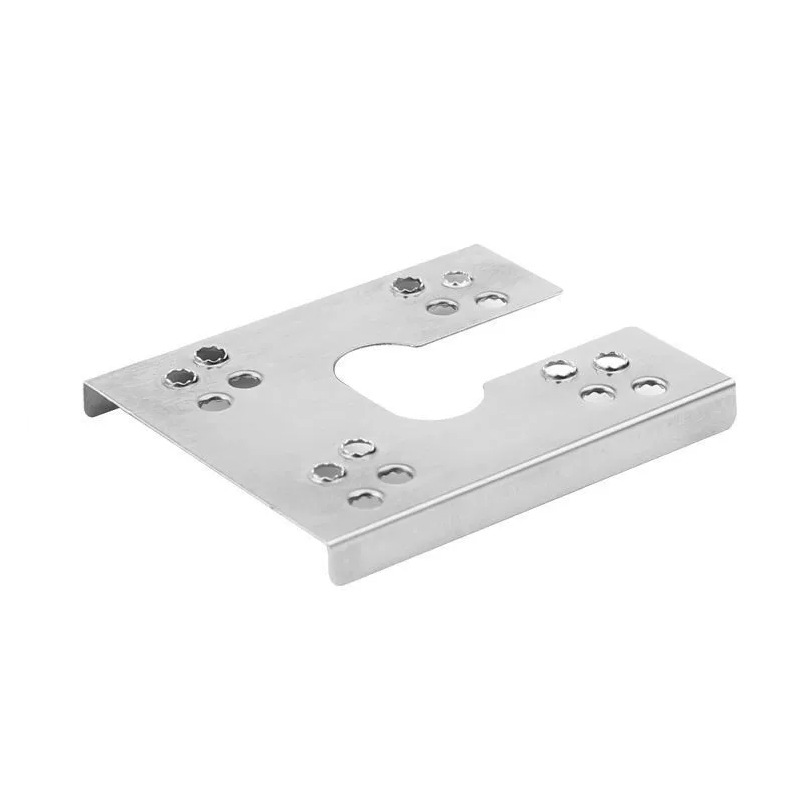
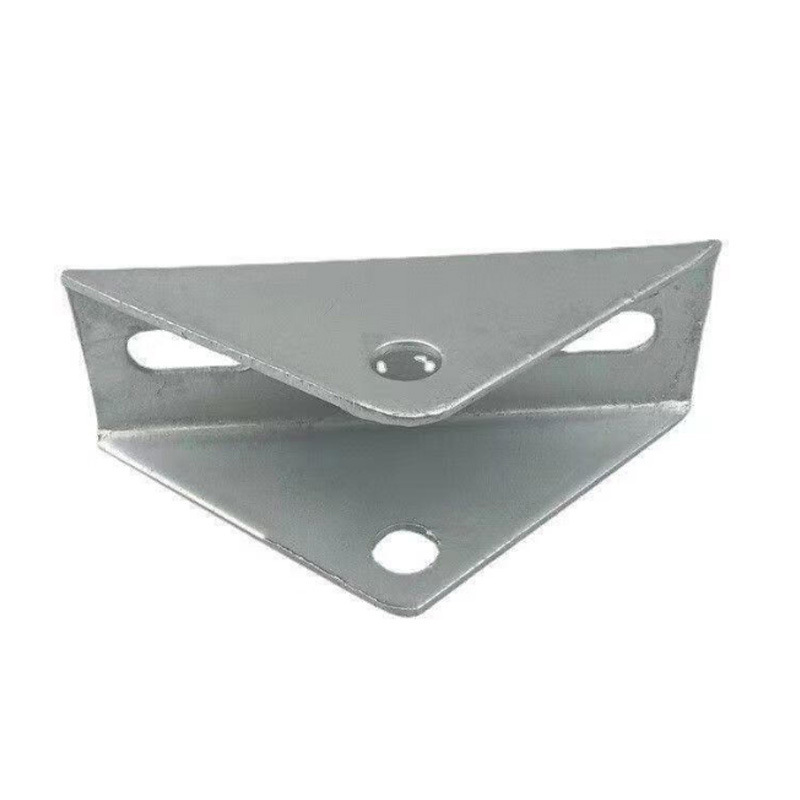
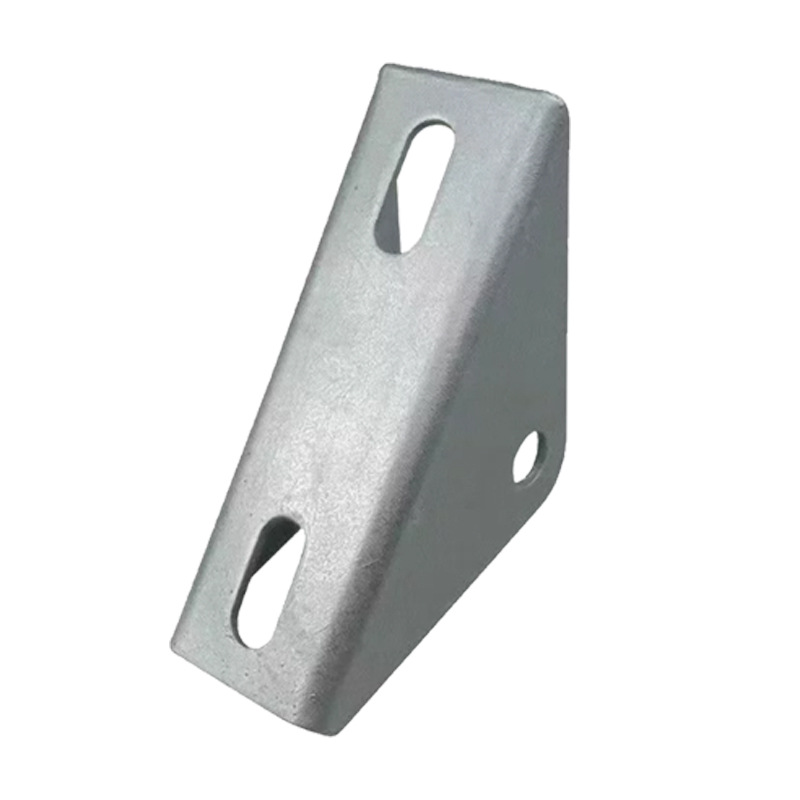
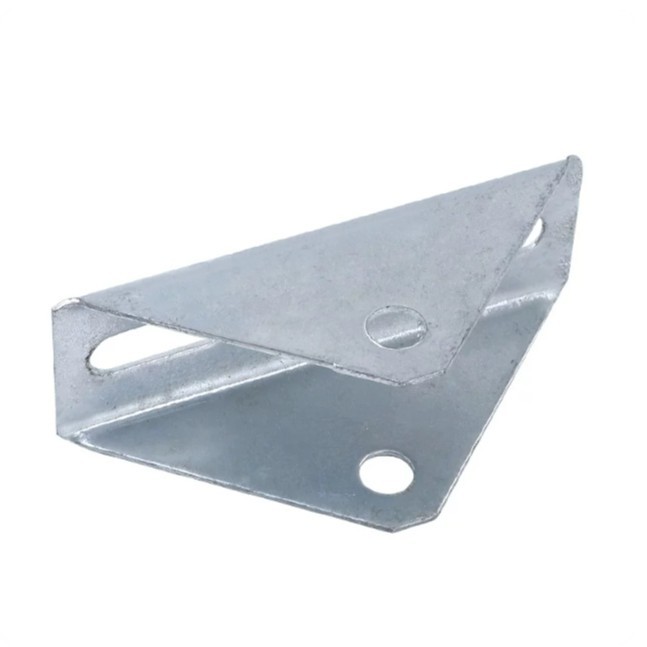
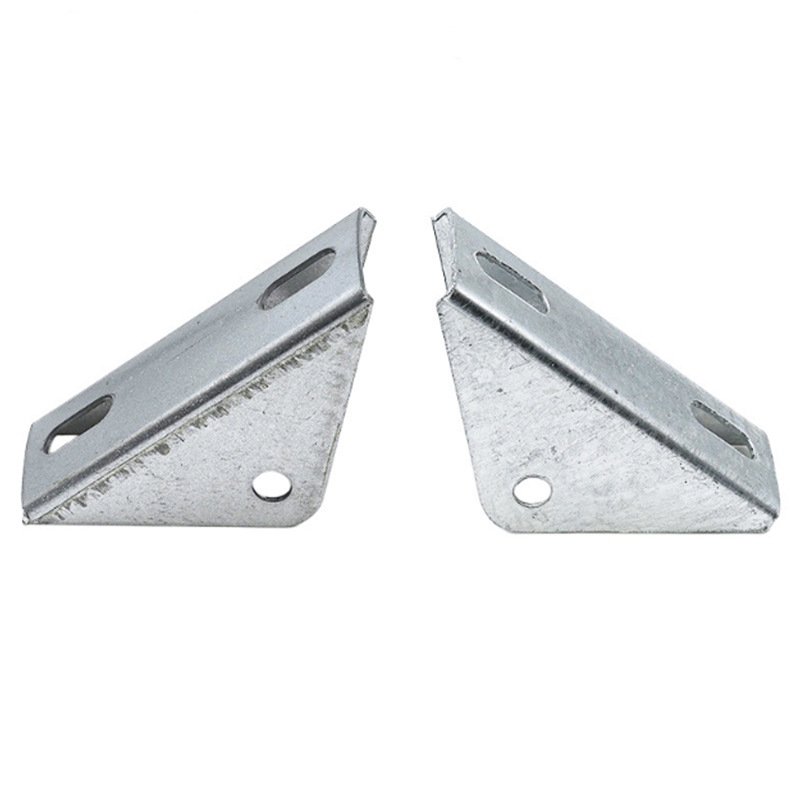
The triangular connector is a corner connection hardware fitting with a triangular reinforcing structure. It is typically made of metals such as carbon steel, stainless steel, or aluminum alloy, formed by stamping and bending, and treated with surface anti-corrosion finishes such as hot-dip galvanizing or electro-galvanizing. This fitting is mainly used for right-angle or oblique connections of square tubes, round tubes, channel steel, angle steel, and other profiles. It is fixed with bolts and serves to strengthen joint strength, transfer loads, and provide positioning. It is widely used in photovoltaic mounting systems, building trusses, storage racks, furniture manufacturing, and various frame structures.
I. Product Features
Stable structure and reasonable force distribution: The triangular geometric structure utilizes the stability of a triangle to distribute joint stresses, effectively preventing deformation or twisting at the connection.
Excellent forming process: Mostly produced by one-step stamping, often with folded edges or ribbed designs, greatly improving the rigidity and load-bearing capacity of the connector itself.
Standardized mounting holes: Pre-drilled standard-sized bolt holes or slotted holes facilitate on-site alignment and adapt to profile connection requirements of different specifications.
Durable anti-corrosion surface: Offers hot-dip galvanizing, electro-galvanizing, or natural stainless steel finish. The coating is uniform, rust-resistant and corrosion-resistant, suitable for outdoor and humid environments.
Diverse specifications: A wide range of sizes can accommodate profiles of different tube diameters, side lengths, and wall thicknesses, and various angles (such as 90° and 45°) can be customized.
II. Product Advantages
Significant joint reinforcement: Compared with ordinary flat washers or right-angle brackets, the triangular connector has stronger shear and pull-out resistance, significantly improving the overall frame's seismic and wind-load resistance.
Weld-free and efficient construction: All connections are mechanical with bolts, eliminating on-site welding and reducing construction difficulty while improving on-site assembly efficiency.
Flexible installation and easy disassembly: The modular connection method facilitates later disassembly, adjustment, or expansion without damaging the profile itself.
Low overall cost: Stamping enables low-cost mass production. Used with standard fasteners, it effectively controls the total project cost while ensuring structural safety.
III. Scope of Application
Photovoltaic mounting systems: Used to connect columns, beams, and diagonal braces of photovoltaic supports, enhancing the support's deformation resistance under severe weather such as strong winds and heavy snow.
Warehousing and logistics equipment: Used for corner connection and reinforcement of light and medium-duty racks, improving rack load stability.
Building and decoration engineering: Joint connections for light steel keels, secondary steel structure components, skylight skeletons, and various space trusses.
Furniture and mechanical equipment: Used for assembling office desk frames, industrial equipment guardrails, non-standard automation frames, and agricultural greenhouse skeletons, etc.