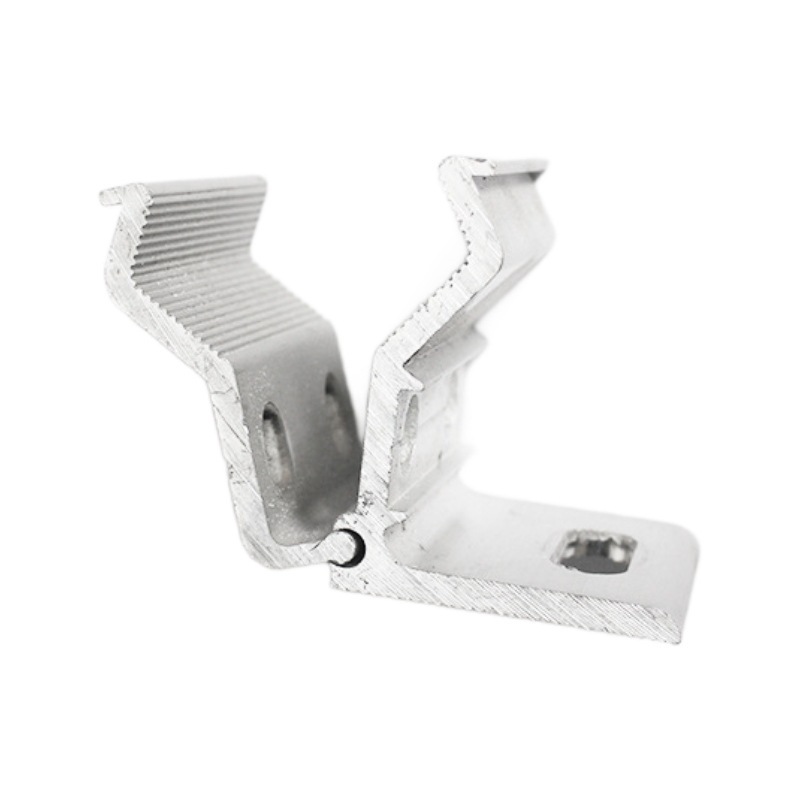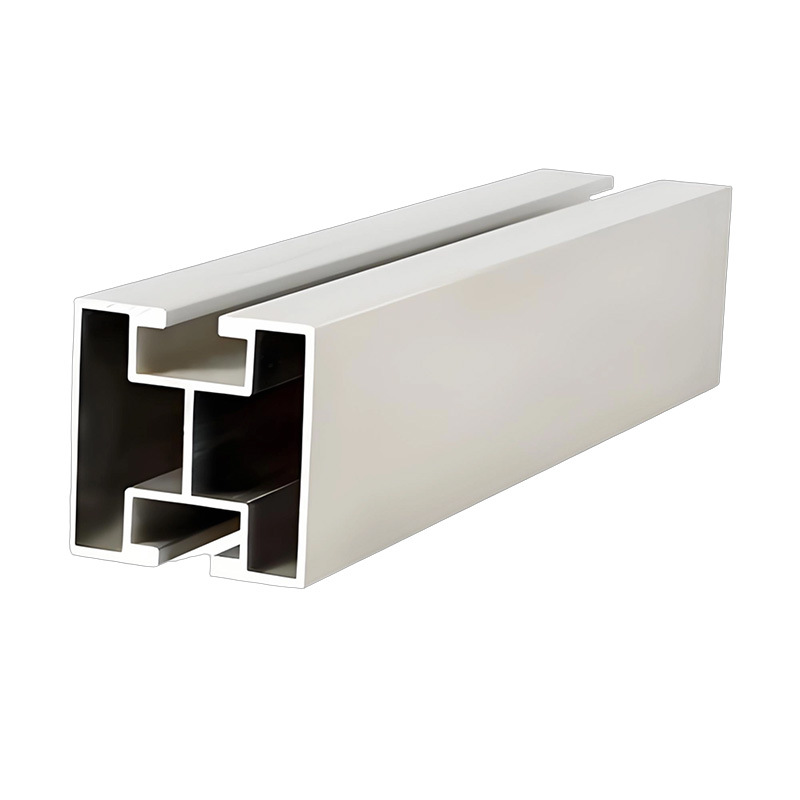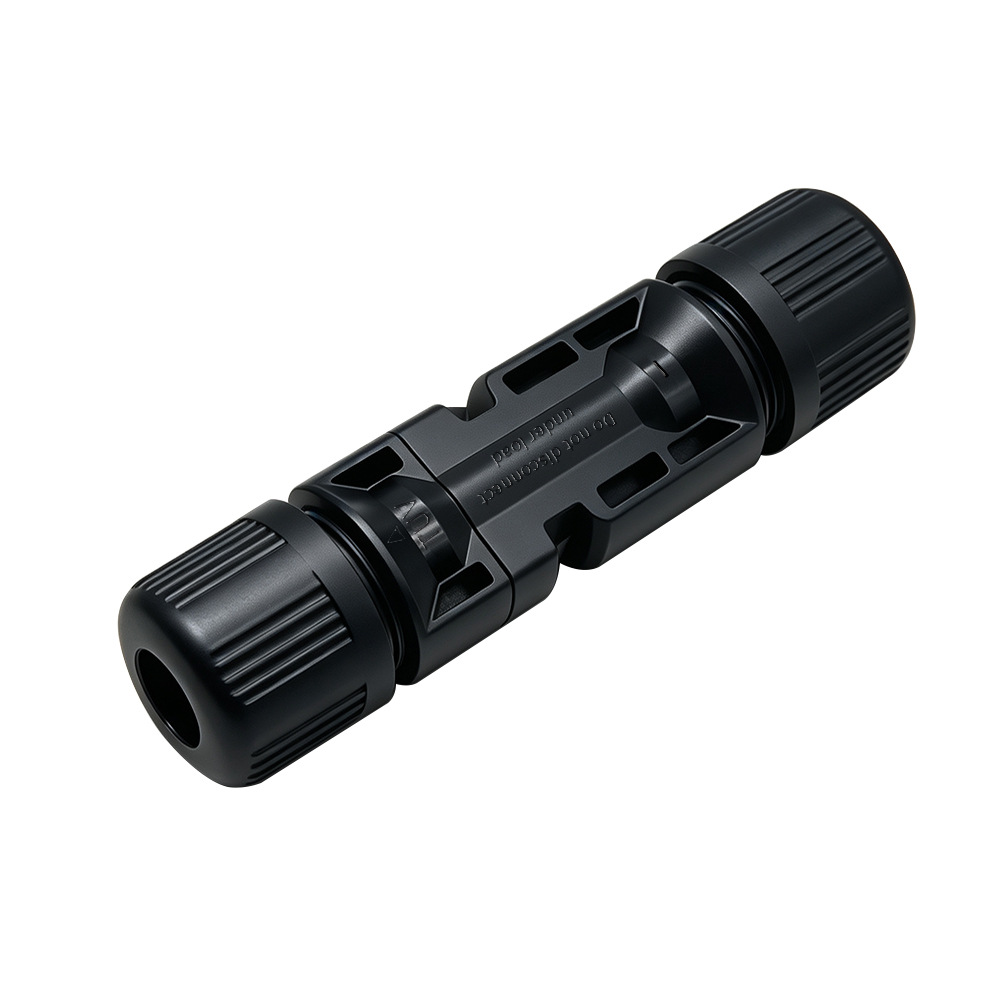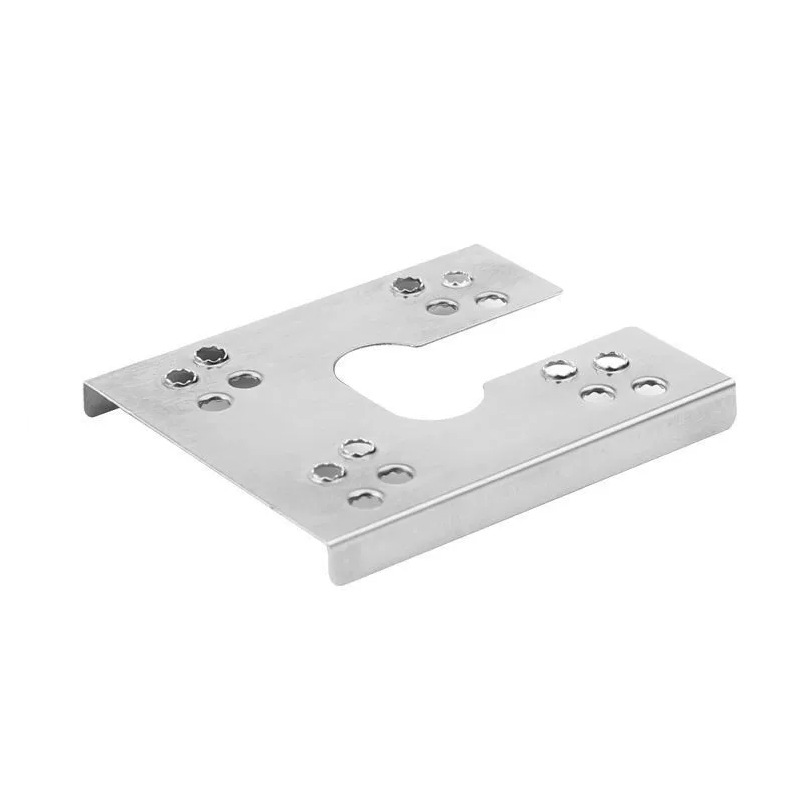
Product Specifications
| Material | Stainless Steel |
Product Introduction
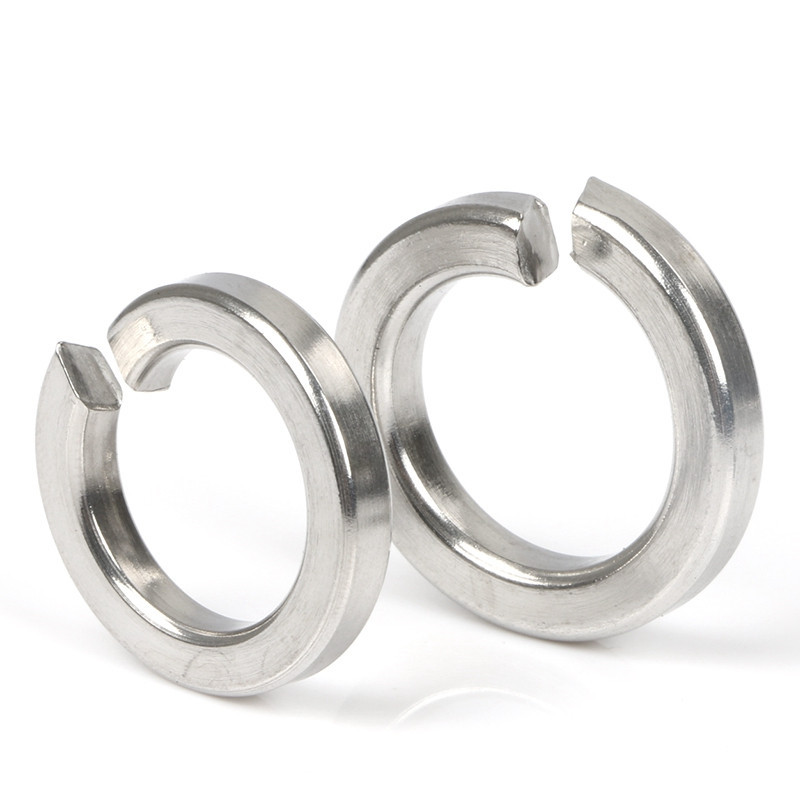
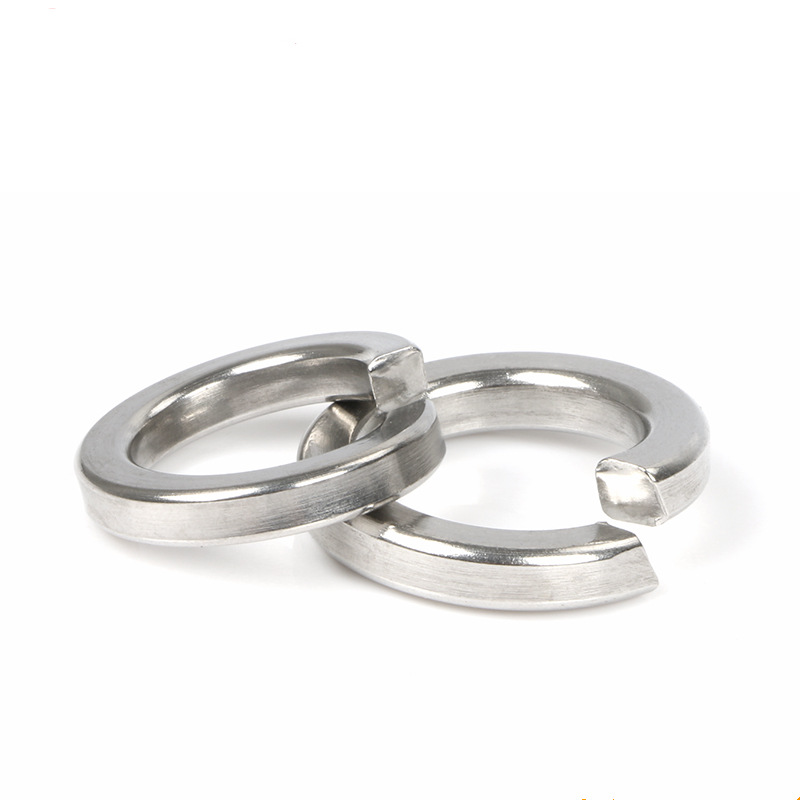
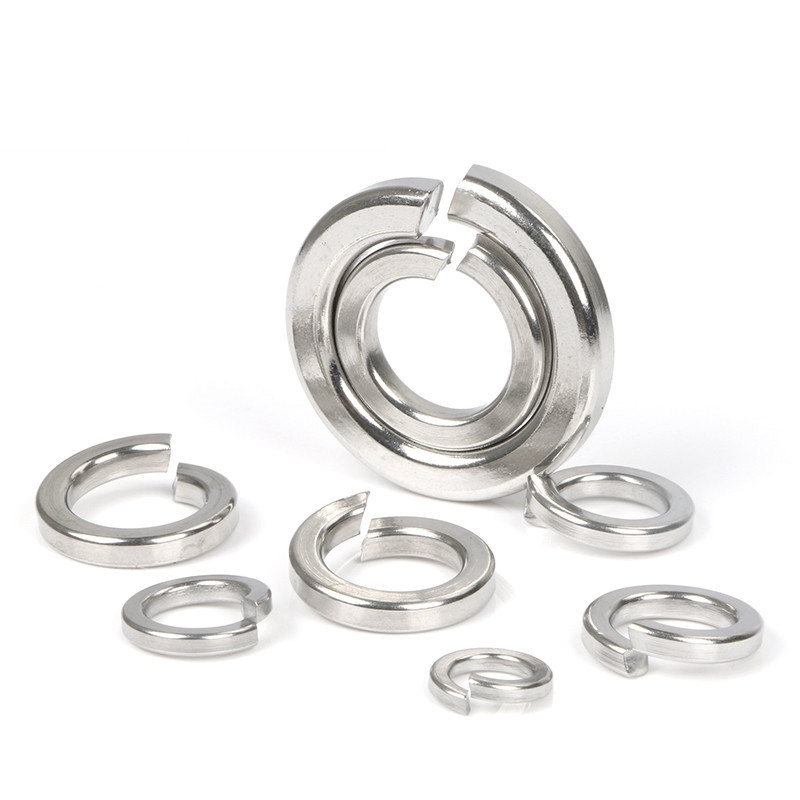
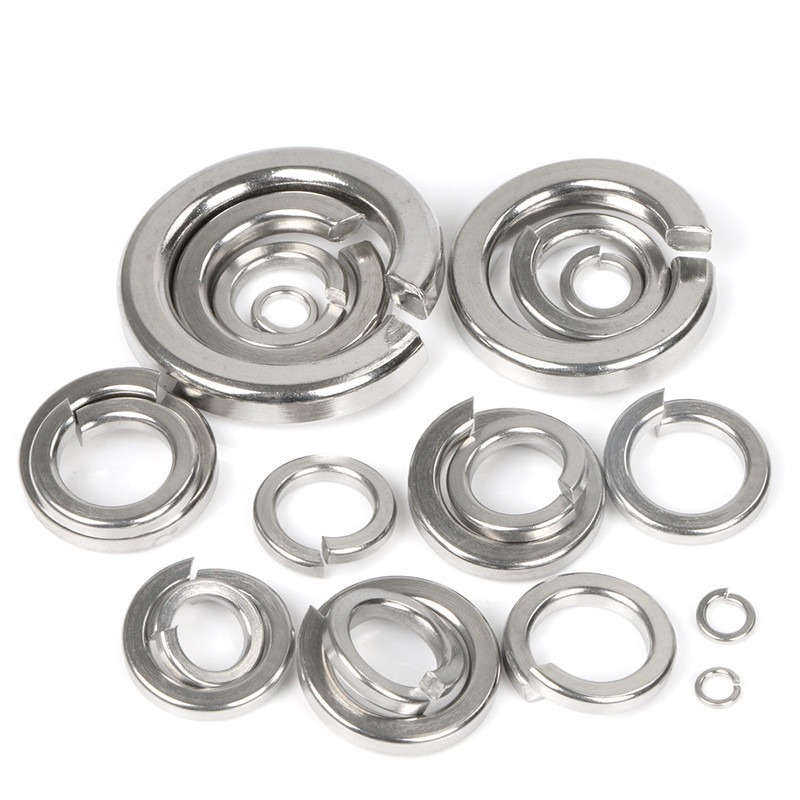
A stainless steel spring washer (also called a stainless steel spring washer or split spring washer) is a split elastic washer made of stainless steel material, usually 304/A2 or 316/A4 austenitic stainless steel. It has an annular structure with a cut on one side and the two ends offset upward and downward. It mainly conforms to standards such as GB/T 93 (standard type), GB/T 859 (light type), and GB/T 7244 (heavy type), with specifications covering M1.6–M48. During installation, it is placed between the nut and the workpiece; after tightening, the spring washer is flattened and relies on its own elastic reaction force to continuously press against the nut, providing anti-loosening and surface protection. Because it uses a stainless steel body, it provides excellent corrosion resistance matching stainless steel bolts and nuts while also delivering anti-loosening function.
I. Product Features
Corrosion resistance inherent to the material, no coating required: Made of 304 (A2) or 316 (A4) stainless steel, it resists corrosion through its own dense passive film, and the surface is usually a clean natural finish. No electroplating is required, completely eliminating the hydrogen embrittlement risk associated with electroplating processes, making it particularly suitable for use with high-strength stainless steel bolts (such as A4-80).
Split elastic structure: The washer has a radial cut and undergoes elastic deformation when compressed. Compared with ordinary flat washers, it provides continuous axial spring-back force to compensate for preload relaxation caused by vibration or thermal expansion and contraction.
Non-magnetic and hygienic: Austenitic stainless steel is usually non-magnetic or weakly magnetic, and its smooth surface resists dirt accumulation and is easy to clean and disinfect.
Diverse materials and specifications: Common materials include 304 and 316, as well as lower-cost 201 stainless steel; specifications range from M1.6 to M48, covering standard, light, and heavy series.
Surface condition: Usually delivered in natural, cleaned, or passivated condition, with a metallic luster on the surface.
II. Product Advantages
Long-lasting corrosion resistance and maintenance-free performance: In outdoor, humid, or mildly corrosive environments, it will not rust and fail like carbon steel spring washers. It not only protects itself but also prevents rust water from flowing and contaminating workpieces, offering long life and maintenance-free operation.
Reliable anti-loosening assistance: Under equipment operation or environmental vibration conditions, the elastic reaction force of the stainless steel spring washer can effectively increase the friction between threaded connections and reduce the risk of nut loosening.
No hidden hydrogen embrittlement risk: For load-bearing structural parts, carbon steel spring washers have a risk of hydrogen embrittlement fracture after electroplating, while stainless steel spring washers inherently do not have this risk, making them safer to use.
Prevention of surface damage: During installation, the flat surface of the spring washer fits against the workpiece while the split end presses against the nut, reducing scratches on the workpiece surface when the nut is tightened.
Low whole-life cost: Although the unit price is higher than zinc-plated carbon steel spring washers, in applications requiring rust prevention, the costs of frequent replacement and anti-corrosion maintenance are eliminated, resulting in high overall cost-effectiveness.
III. Scope of Application
Food, medical, and pharmaceutical equipment: 304 or 316 material is preferred to meet hygiene standards, resist corrosion from cleaning agents and disinfectants, and be easy to clean.
Marine engineering and ships: Offshore platforms, ship fittings, yacht hardware, etc., must use 316 (A4) material to resist high salt-spray and seawater corrosion.
Photovoltaics and outdoor construction: Photovoltaic support connections, curtain wall keels, outdoor railings and handrails, exposed structures of high-end buildings, etc., balancing anti-loosening and aesthetics.
Chemical and environmental protection equipment: Fastening points such as pipeline flanges, valves, and reactors that come into contact with chemical media such as acids, alkalis, and salts.
Precision electronics and instruments: Equipment sensitive to magnetism (such as medical equipment), electronic instruments, and cleanroom environments requiring contamination prevention.