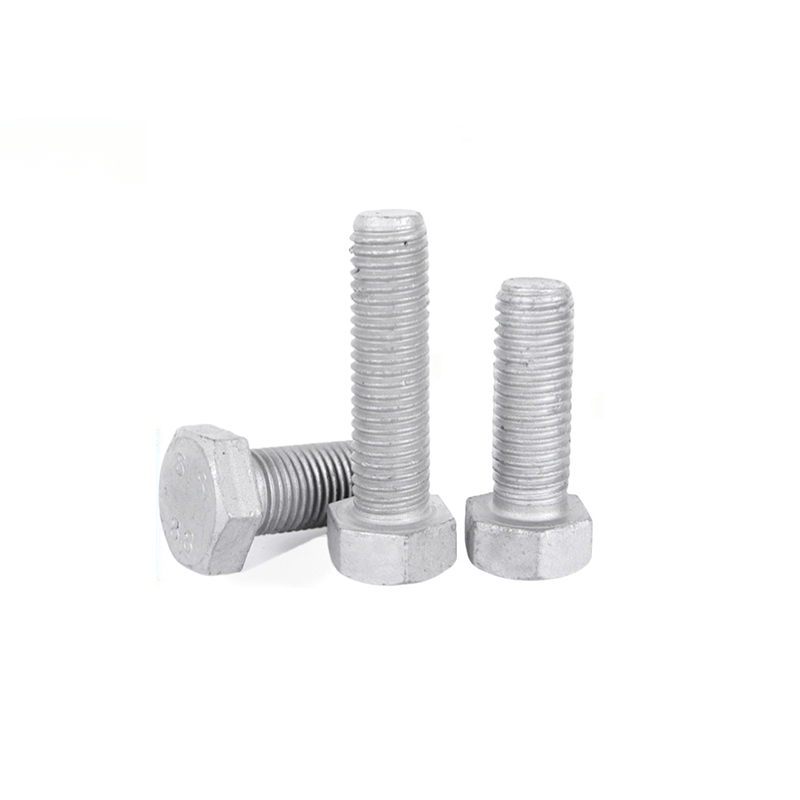
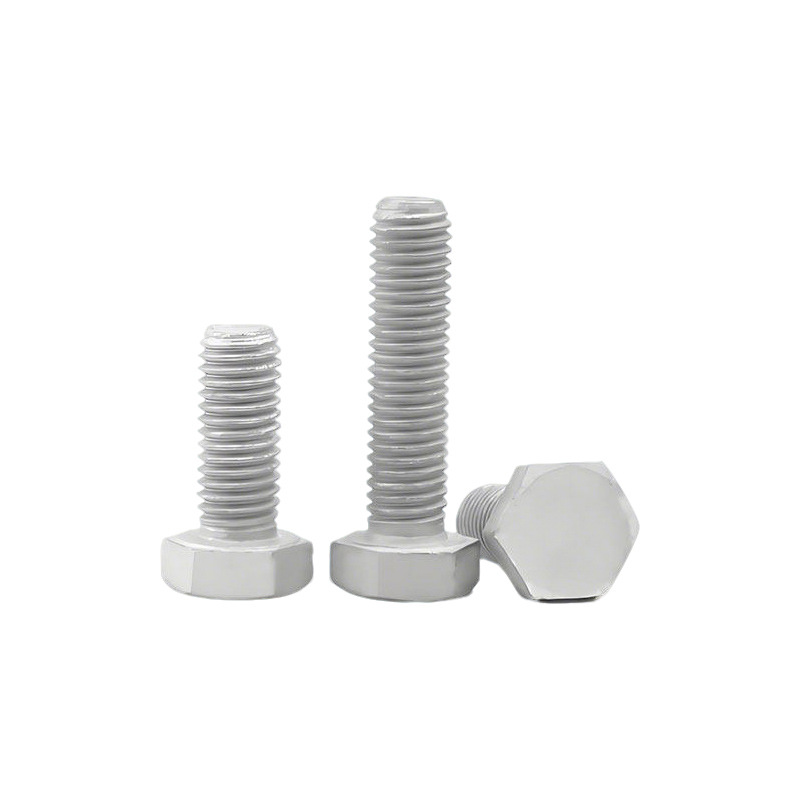
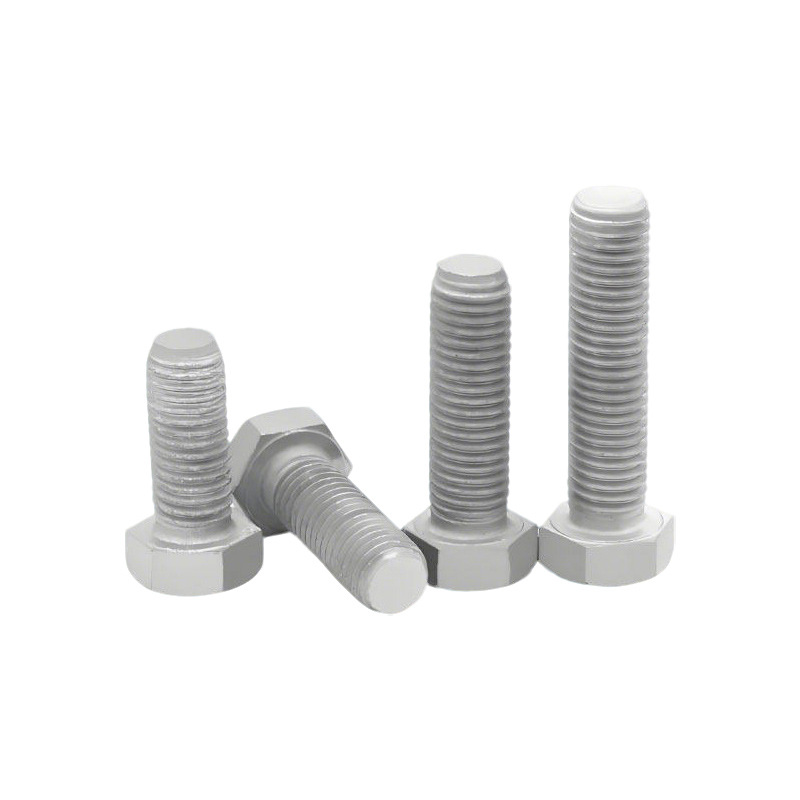
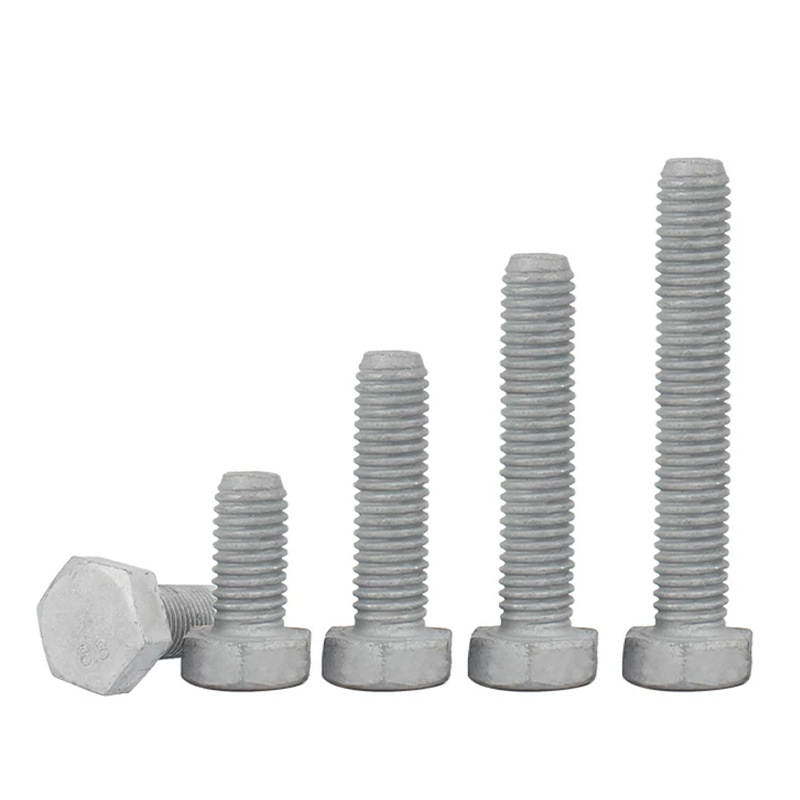
Product Specifications
| Material | Carbon Steel |
Hot-Dip Galvanized Bolt — Product Introduction
This page describes hot-dip galvanized bolts and sourcing checks. Catalog standards, sizes and property classes are enquiry references; confirm the actual configuration, supply scope and inspection requirements in writing against the approved drawing and order conditions. Original catalog references: GB/T 5782 and GB/T 5783; M6–M64; classes 4.8, 5.6, 5.8, 6.8, 8.8 and 10.9. Confirm the applicable edition, configuration and supply scope for the order.
I. Product Features
-
Hot-dip galvanizing for heavy-duty anti-corrosion: The bolt is entirely immersed in molten zinc, forming a metallurgical bond between the zinc layer and the steel, becoming part of the steel surface with strong adhesion. Even recessed areas, sharp corners, and hidden parts receive comprehensive coverage.
-
Coating, fit and process review: Confirm coating requirements, thread fit, suitable manufacturing processes and verification against the applicable standard and approved drawing. Confirm coating thickness and availability of a specific class for the order.
-
Special thread fitting design: Thread dimensions change after hot-dip galvanizing. Enlarged tapped internal threads (such as 6AZ limit dimensions) are usually used after galvanizing, and external threads use 6g limit dimensions to ensure coating thickness and fitting accuracy.
-
Property class and connection design: Select the property class and mating fasteners from the connection design, specified loads, applicable standard and approved drawing. Thread diameter alone does not determine the class.
II. Product Advantages
-
Service environment and protection conditions: Protection performance depends on the service environment, coating requirements, handling, installation and maintenance. Provide project conditions and agree inspection and maintenance requirements; a service-life assessment needs project-specific evidence.
-
Dual anti-corrosion mechanism: The zinc layer acts as a physical barrier to isolate moisture and oxygen. Meanwhile, zinc is more active than iron and reacts first in corrosive environments, providing electrochemical protection as a sacrificial anode. Even if the coating is locally damaged, the surrounding zinc layer can still protect the substrate.
-
Coating coverage and acceptance: Check coating coverage, thickness and appearance for the actual product against the agreed acceptance conditions. Review geometry, handling and installation effects or damage against project requirements.
-
Quotation and maintenance conditions: Compare quotes on the same material, coating, inspection, packaging and delivery scope. Installation and subsequent maintenance arrangements depend on the project conditions.
III. Scope of Application
-
Power and transmission engineering: The connection of transmission towers, substation structures, and power fittings is one of the most core application areas for hot-dip galvanized bolts.
-
New energy infrastructure: Photovoltaic mounting systems and wind turbine tower connections. For long-term outdoor exposure, hot-dip galvanized fasteners are almost a standard configuration.
-
Transportation and bridge engineering: Bridge steel structures, highway guardrails, and auxiliary structures of rail transit, especially suitable for coastal or high-humidity, high-salt-fog environments.
-
Construction and general steelwork: for industrial buildings, long-span steelwork, curtain-wall supports and outdoor fencing, confirm the service environment, coating, acceptance and maintenance requirements against the project design.