Product Specifications
| Material | Purlin Connector |
Purlin Connector — Product Introduction
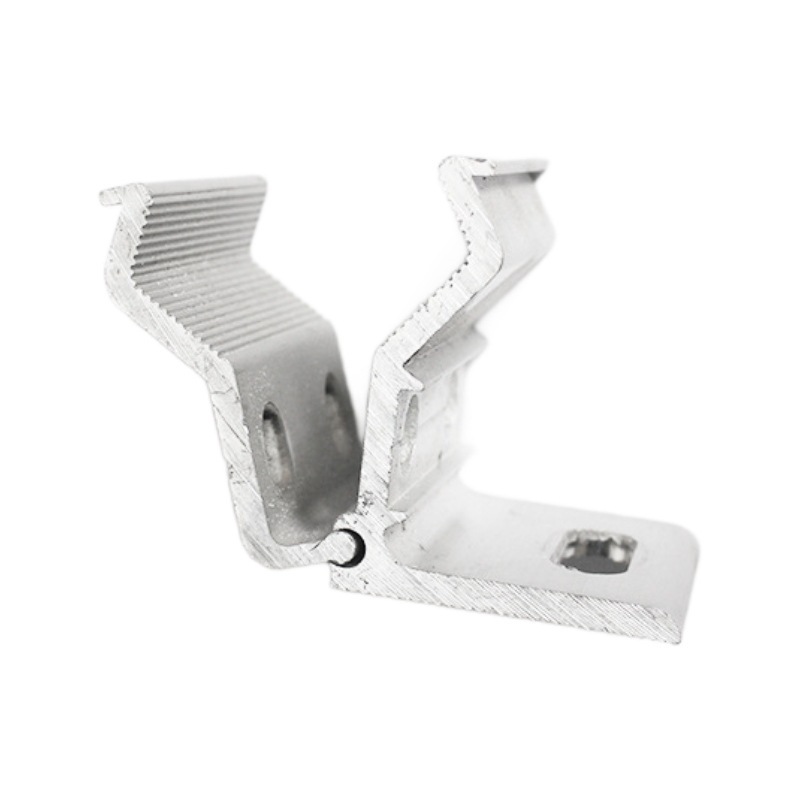
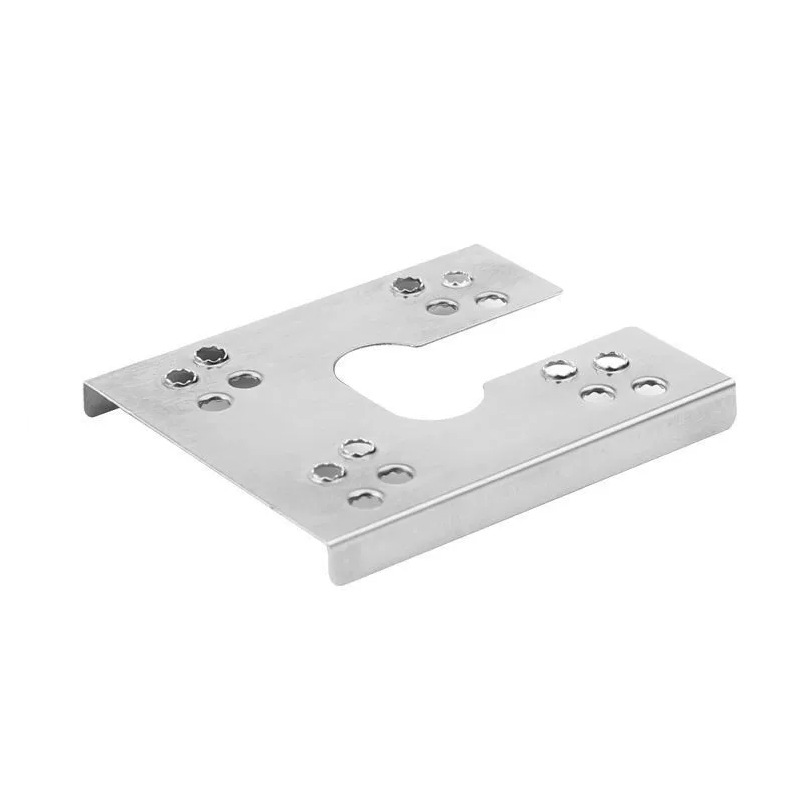
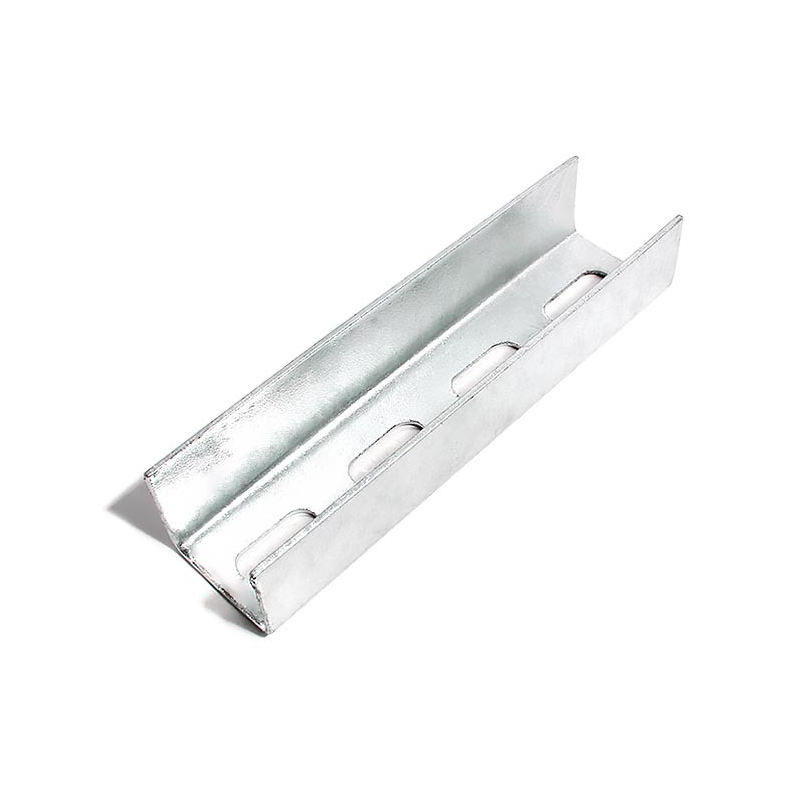
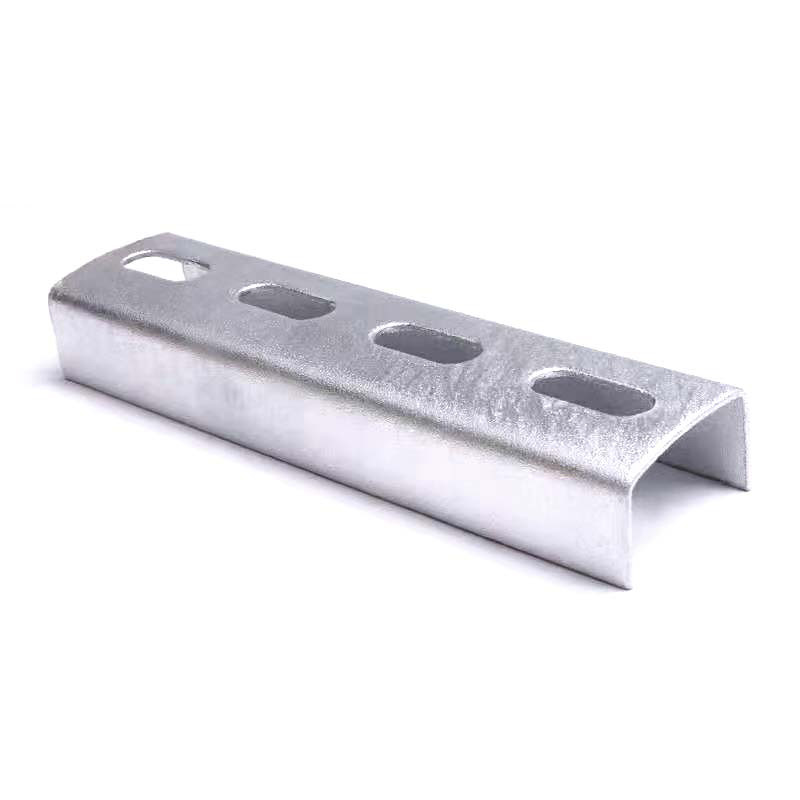
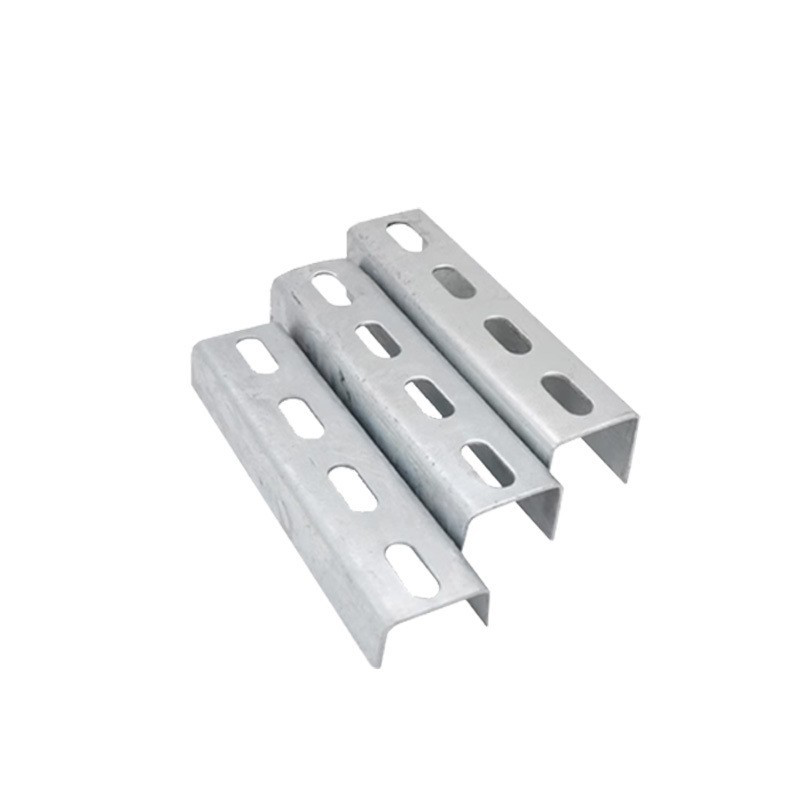
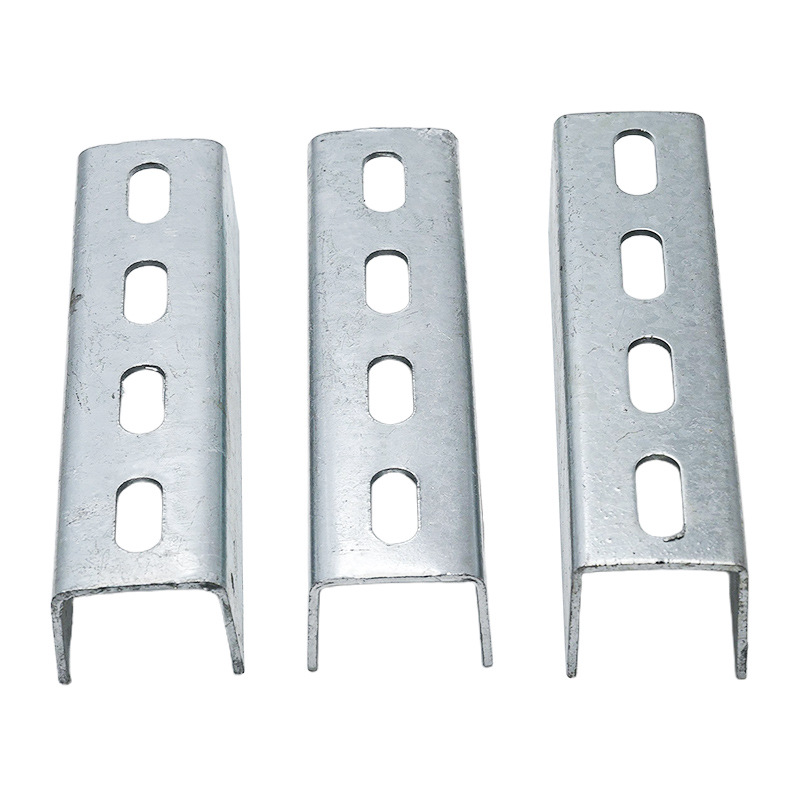
A purlin connector is a specialized structural accessory used for connecting and fixing purlins in photovoltaic (PV) mounting systems and steel structure roof systems. This product is usually stamped and formed from high-quality carbon structural steel and undergoes anti-corrosion treatments such as hot-dip galvanizing or zinc-aluminum-magnesium coating. It features firm connections, convenient assembly, and durable anti-corrosion properties, effectively transmitting loads and ensuring the overall stability of the mounting system.
I. Product Features
-
Standardized specifications: Produced according to national manufacturing and inspection standards for steel structures and PV mounting systems, with dimensional tolerances, hole diameters, and bending angles that meet engineering design requirements.
-
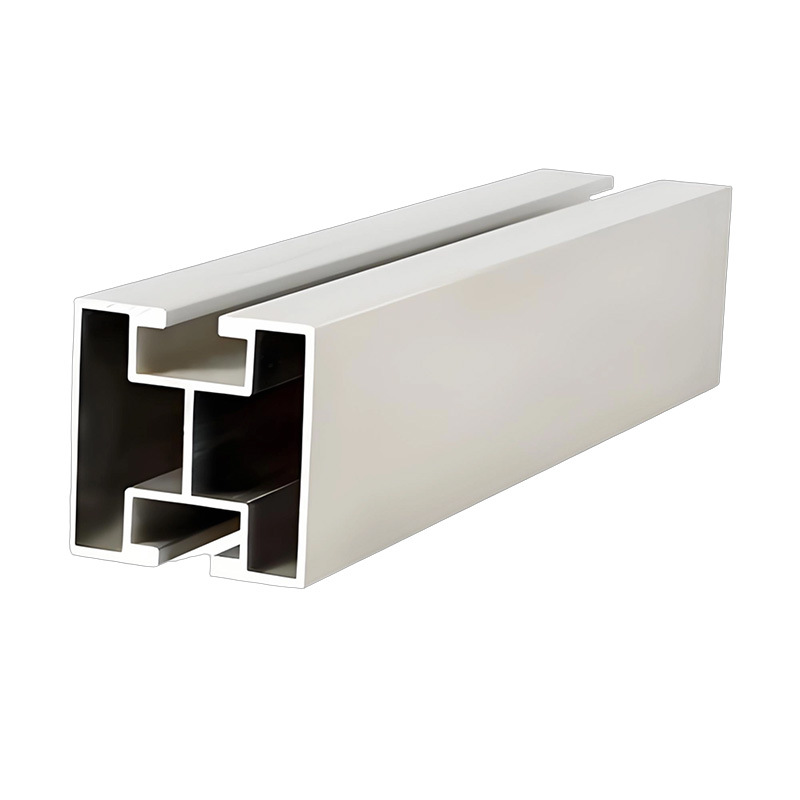
Reasonable structure: Common designs include U-shaped, L-shaped, hoop-type, and straight connectors, some with anti-slip teeth or stiffening ribs. The contoured fit design tightly wraps around C-channel or Z-channel purlins, ensuring uniform stress at the nodes.
-
Excellent material: Usually made of high-quality carbon structural steel such as Q235B or Q355B, formed by cold stamping and cold bending, balancing high load-bearing capacity with good processing toughness.
-
Surface protection: The surface generally adopts hot-dip galvanizing or zinc-aluminum-magnesium treatment (e.g., zinc layer thickness ≥65μm), providing excellent anti-corrosion performance suitable for harsh outdoor environments. Some aluminum accessories are treated with anodizing.
-
Complete specifications: Covers a variety of common specifications, suitable for purlins of different cross-sectional dimensions (such as C-channel and Z-channel 41×41, 41×52, etc.) and thicknesses (such as 2.0mm, 2.5mm, 3.0mm, etc.).
II. Product Advantages
-
Compliant and reliable: Conforms to structural mechanics codes, with precise dimensions and stable quality. It can withstand load calculations, providing a guarantee for the safety of the mounting system.
-
High matching precision: Precise punching and positioning allow for a tight fit with bolts and nuts, reducing the need for hole enlargement or forced assembly during on-site installation and enhancing the tightness of node connections.
-
High strength and long lifespan: High-strength steel combined with stiffening rib designs provides strong resistance to shear and pull-out forces, making it resistant to deformation or tearing and matching the service life of PV systems of over 25 years.
-
Efficient installation: Modular accessory design supports pure bolted assembly, eliminating on-site cutting and welding processes, greatly reducing the difficulty of high-altitude operations and saving construction time.
-
Low overall cost: Good anti-corrosion performance means almost no maintenance is required later. Standardized production reduces material waste and labor costs, offering high cost-effectiveness.
III. Scope of Application
-
Photovoltaic mounting systems: Widely used for the longitudinal splicing of C-channel/Z-channel purlins in ground-mounted power stations and rooftop distributed projects, as well as for fixed connections between purlins and rafters or columns.
-
Metal roof and wall systems: Used for overlapping primary and secondary roof purlins and connecting wall girts in building steel structures, ensuring the stability of the building envelope.
-
Secondary structures of steel buildings: Used in large steel structures such as factories and warehouses to support and fix secondary load-bearing components of walls and roofs.
-
Agricultural greenhouses: Used for fastening and supporting connection nodes such as arch pipes and longitudinal tie rods in greenhouse skeletons.
-
Mechanical and electrical seismic bracing systems: Used for splicing and node reinforcement of C-channel steel in comprehensive pipeline supports, meeting mechanical and electrical seismic requirements.