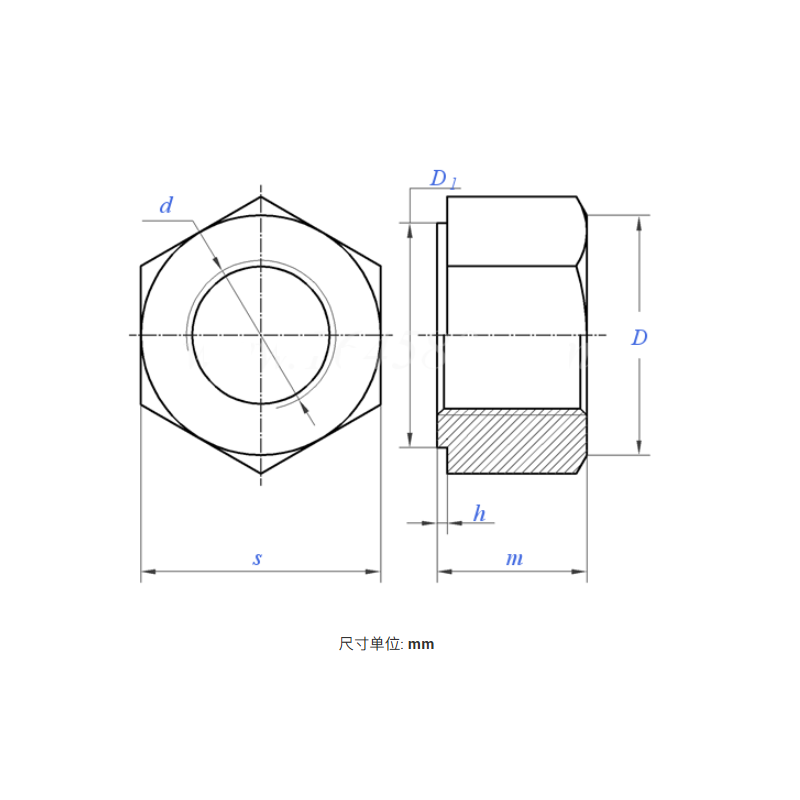
Product Specifications
| Model / Specification | M16 – M30 |
| Material | Carbon Steel |
| Thd. Size d |
M16 | M20 | M22 | M24 | M27 | M30 | |
| m | Nom. | 16 | 20 | 22 | 24 | 27 | 30 |
| Max. | 16.35 | 20.4 | 22.4 | 24.4 | 27.4 | 30.4 | |
| Min. | 15.65 | 19.6 | 21.6 | 23.6 | 26.6 | 29.6 | |
| s | Max. | 27 | 32 | 36 | 41 | 46 | 50 |
| Min. | 26.2 | 31 | 35 | 40 | 45 | 49 | |
| D | ≈ | 25 | 30 | 34 | 39 | 44 | 48 |
| D1 | Min. | 25 | 29 | 33 | 38 | 43 | 47 |
| h | 0.4~0.8 | 0.4~0.8 | 0.4~0.8 | 0.4~0.8 | 0.4~0.8 | 0.4~0.8 | |
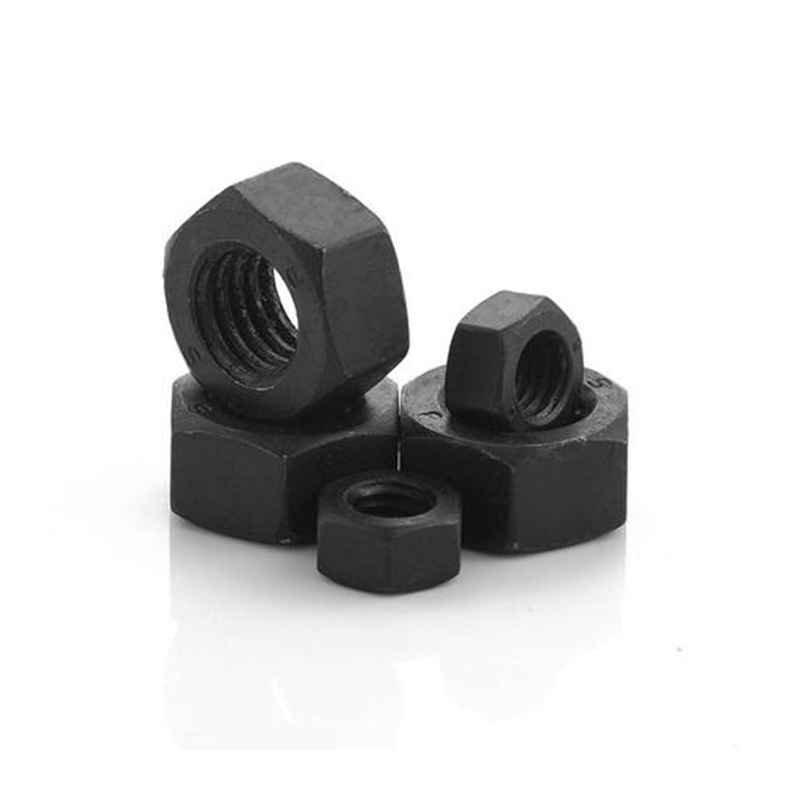
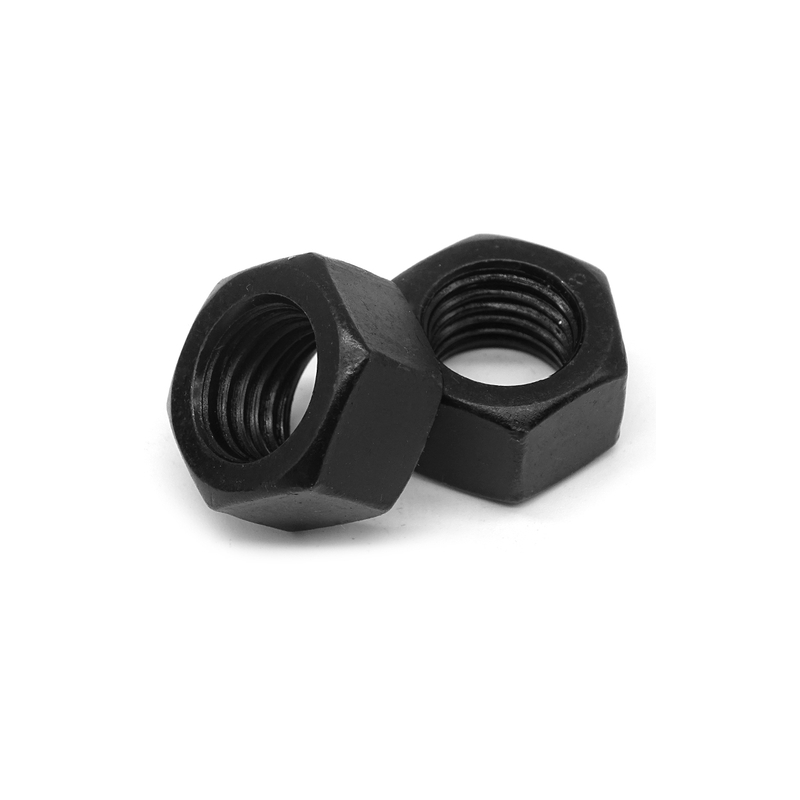
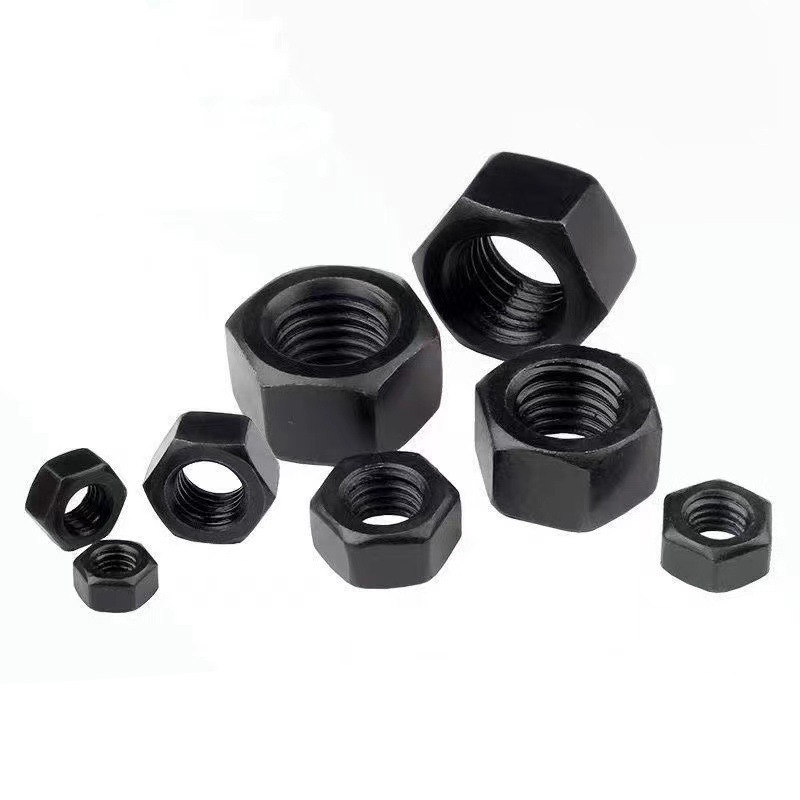
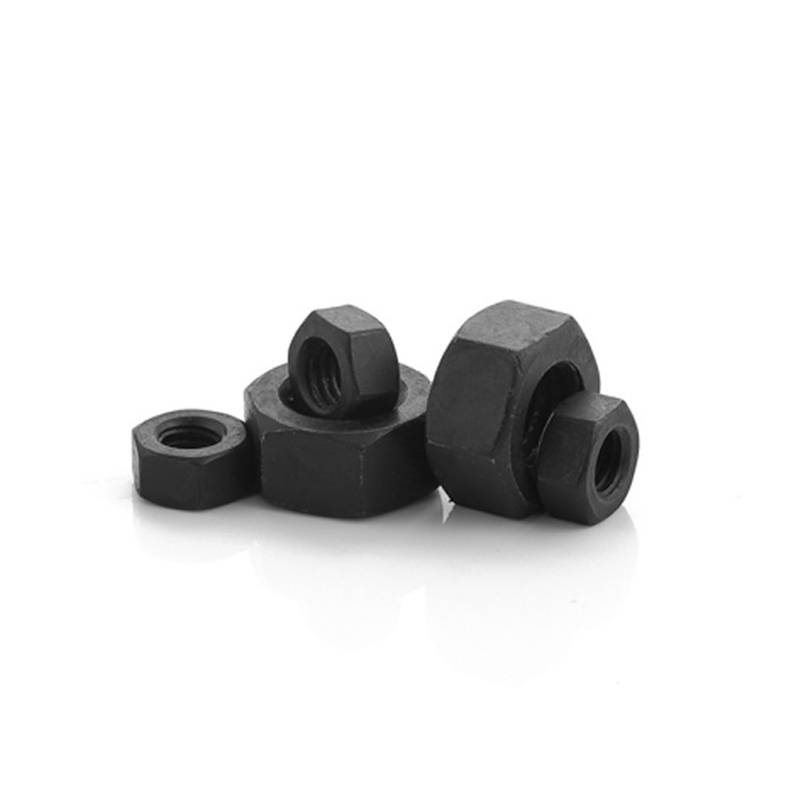
tructural High-Strength Hex Nut — Product Introduction
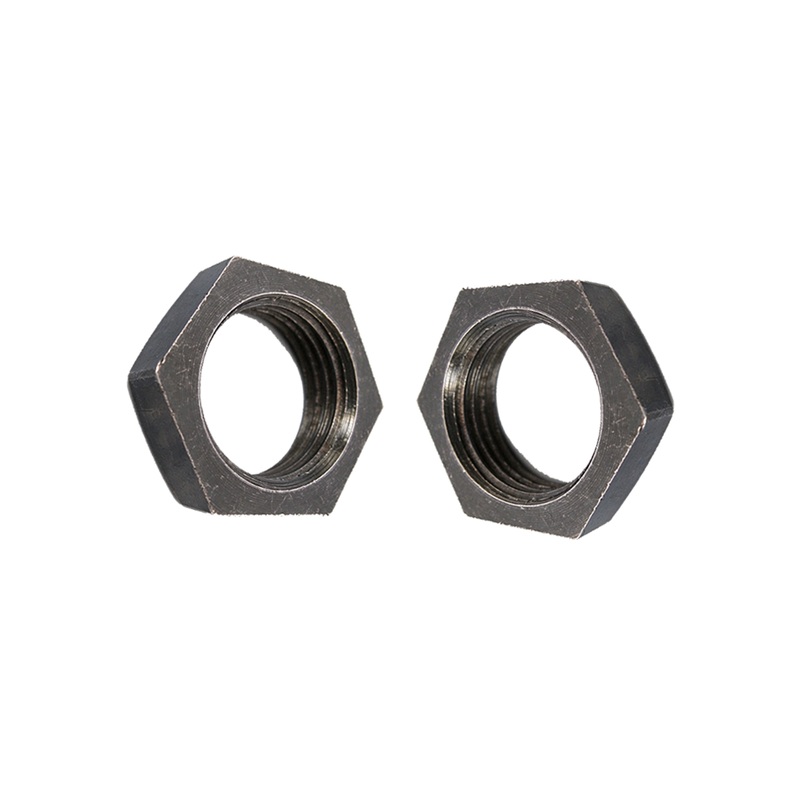
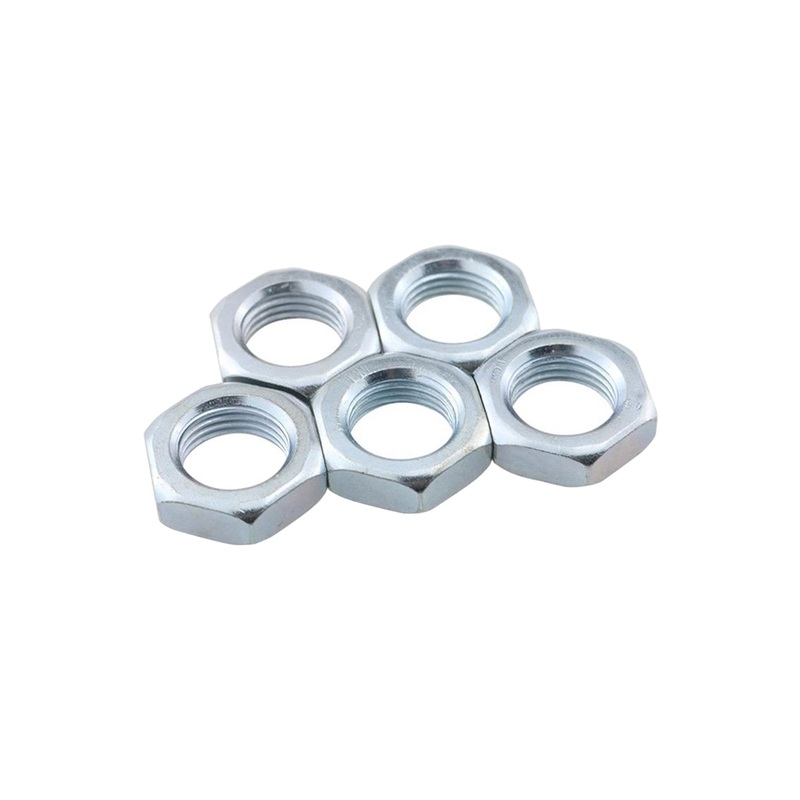
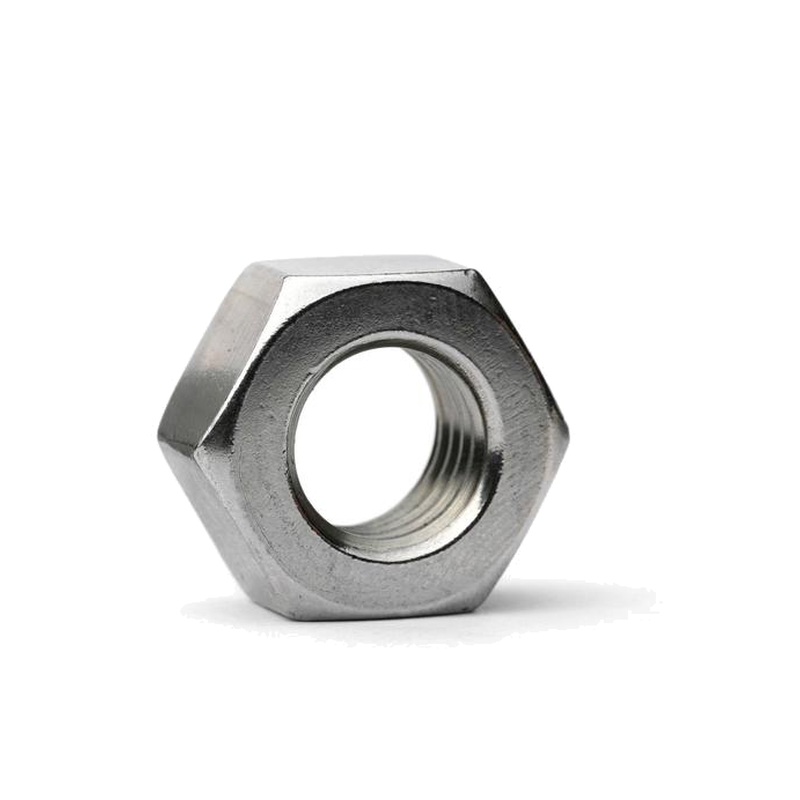
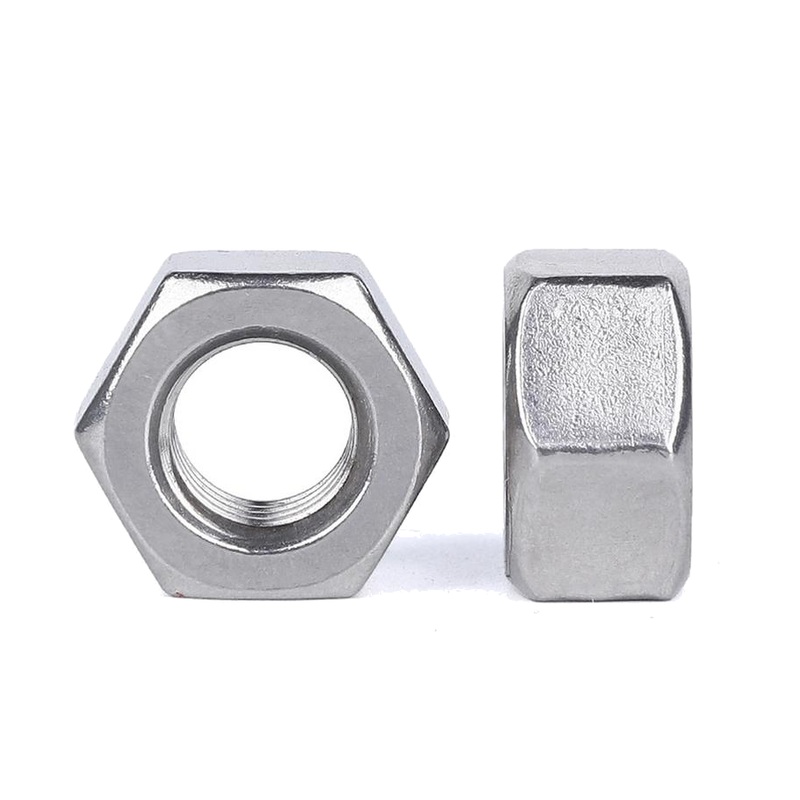
JSS II 09 (-2) - 1996 is a standard for structural high-strength hex nuts established by the Japan Steel Structure Construction Association (JSSC). This nut is primarily used in conjunction with high-strength bolts (such as F8T, F10T, F11T, etc.) in friction-type or bearing-type connection nodes in building steel structures, bridges, and heavy machinery subjected to significant static and dynamic loads. The product is typically manufactured from premium carbon steel or alloy steel, subjected to quenching and tempering heat treatment, providing stable high strength and hardness to ensure against loosening or deformation under preload, guaranteeing the overall reliability of the bolt-nut assembly.
I. Product Features
- High strength and stable hardness: Nuts are generally made from materials such as S45C and SCM435. After heat treatment, hardness is controlled within the HRC 25–35 range, meeting Grade 8, Grade 10, and Grade 12 high-strength requirements. When matched with corresponding high-strength bolts, it effectively transfers preload.
- Standardized thread precision: Thread dimensions, tolerances, and form-position requirements strictly comply with the JSS II 09 standard. The fit precision with same-grade bolts is high, ensuring uniform axial force distribution during tightening and reducing the risk of galling and thread damage.
- Reliable load-bearing capacity: Hex dimensions and thickness are designed to meet the tensile, shear, and local bearing requirements in structural connections, ensuring node integrity under complex stress conditions.
- Material and heat treatment process: Made from premium alloy steel or carbon steel, with excellent mechanical properties after quenching and tempering, combining strength with adequate toughness, maintaining good performance even in low-temperature environments.
- Multiple optional surface treatments: Blackening, phosphating, Dacromet, and hot-dip galvanizing are available to meet different corrosion protection requirements and extend service life.
II. Product Advantages
- Excellent matching with high-strength bolts: Specially designed for steel structure friction-type connections, forming a connection assembly with same-grade high-strength bolts and washers, achieving the specified preload and anti-slip coefficient required by the design.
- Strong resistance to fatigue and loosening: Stable hardness and thread precision prevent loosening under alternating loads and vibration. With proper tightening procedures, the connection axial force can be maintained over the long term.
- High quality consistency and interchangeability: Standardized dimensions and mechanical property requirements ensure that batch-supplied nuts have good interchangeability, facilitating on-site installation and inventory management.
- Meets Japanese and international engineering standards: The JSS II 09 standard is widely applied in steel structures across Japan and Southeast Asia. Products conforming to this standard can be directly used in relevant projects or export applications, reducing repeated certification.
- Reasonable cost-effectiveness: While ensuring high strength, different materials and surface treatments are available, balancing corrosion protection and cost, suitable for large-scale procurement in major projects.
III. Applications
- Building steel structures: Bolt connections in beam-column joints of high-rise buildings, factory buildings, and stadiums.
- Bridge engineering: Splice and bearing connections in steel structures of highway bridges, railway bridges, and pedestrian overpasses.
- Towers and masts: Lattice structure joints in transmission towers, communication towers, and wind turbine towers.
- Heavy machinery and equipment foundations: Large equipment bases, crane runway beams, and mining machinery steel structure connections.
- Other steel structure connections subjected to high preload and dynamic loads.