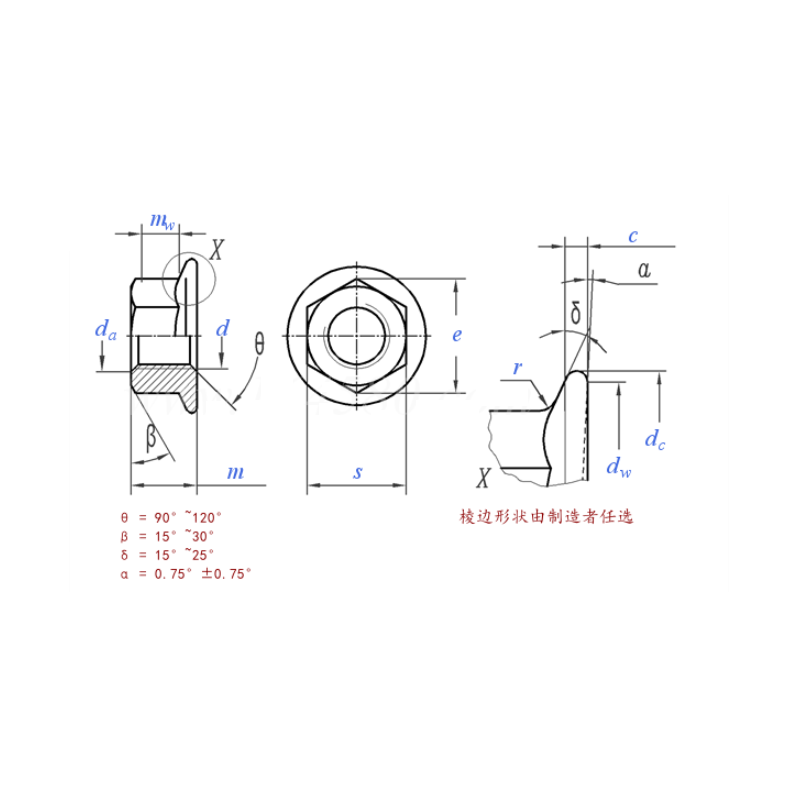
Product Specifications
| Model / Specification | M5 - M20 |
| Material | Carbon steel |
| Thread d |
M5 | M6 | M8 | M10 | M12 | (M14) | M16 | M20 | |
| P | Pitch | 0.8 | 1 | 1.25 | 1.5 | 1.75 | 2 | 2 | 2.5 |
| c | Min | 1 | 1.1 | 1.2 | 1.5 | 1.8 | 2.1 | 2.4 | 3 |
| da | Max | 5.75 | 6.75 | 8.75 | 10.8 | 13 | 15.1 | 17.3 | 21.6 |
| Min | 5 | 6 | 8 | 10 | 12 | 14 | 16 | 20 | |
| dc | Max | 11.8 | 14.2 | 17.9 | 21.8 | 26 | 29.9 | 34.5 | 42.8 |
| dw | Min | 9.8 | 12.2 | 15.8 | 19.6 | 23.8 | 27.6 | 31.9 | 39.9 |
| e | Min | 8.79 | 11.05 | 14.38 | 16.64 | 20.03 | 23.36 | 26.75 | 32.95 |
| m | Max | 5 | 6 | 8 | 10 | 12 | 14 | 16 | 20 |
| Min | 4.7 | 5.7 | 7.64 | 9.64 | 11.57 | 13.3 | 15.3 | 18.7 | |
| mw | Min | 2.5 | 3.1 | 4.6 | 5.6 | 6.8 | 7.7 | 8.9 | 10.7 |
| s | Max | 8 | 10 | 13 | 15 | 18 | 21 | 24 | 30 |
| Min | 7.78 | 9.78 | 12.73 | 14.73 | 17.73 | 20.67 | 23.67 | 29.16 | |
| r | Max | 0.3 | 0.4 | 0.5 | 0.6 | 0.7 | 0.9 | 1 | 1.2 |
Product Introduction — Hexagon Flange Nut (Coarse Thread)
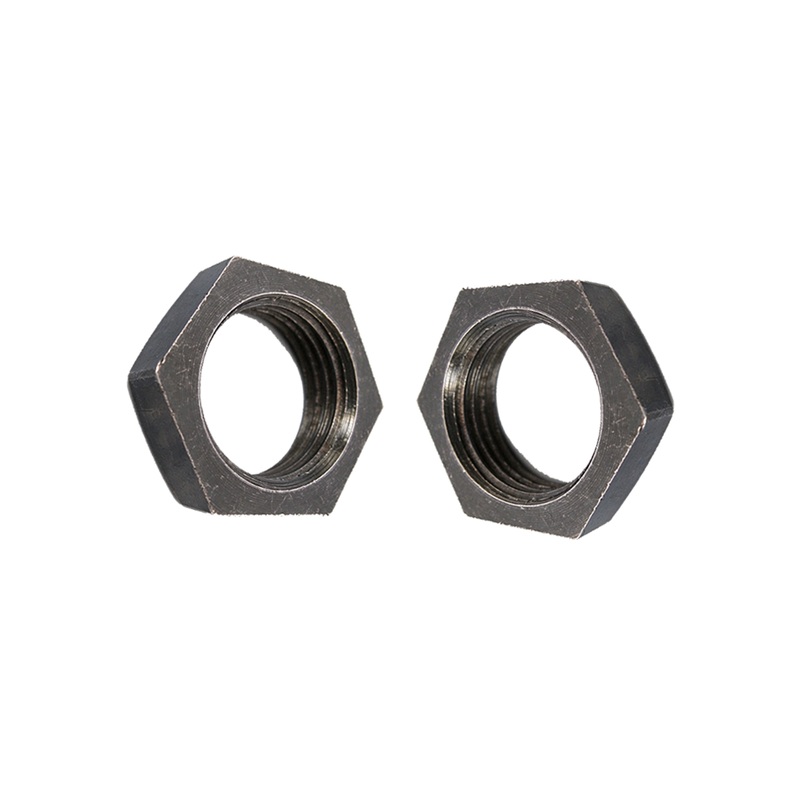
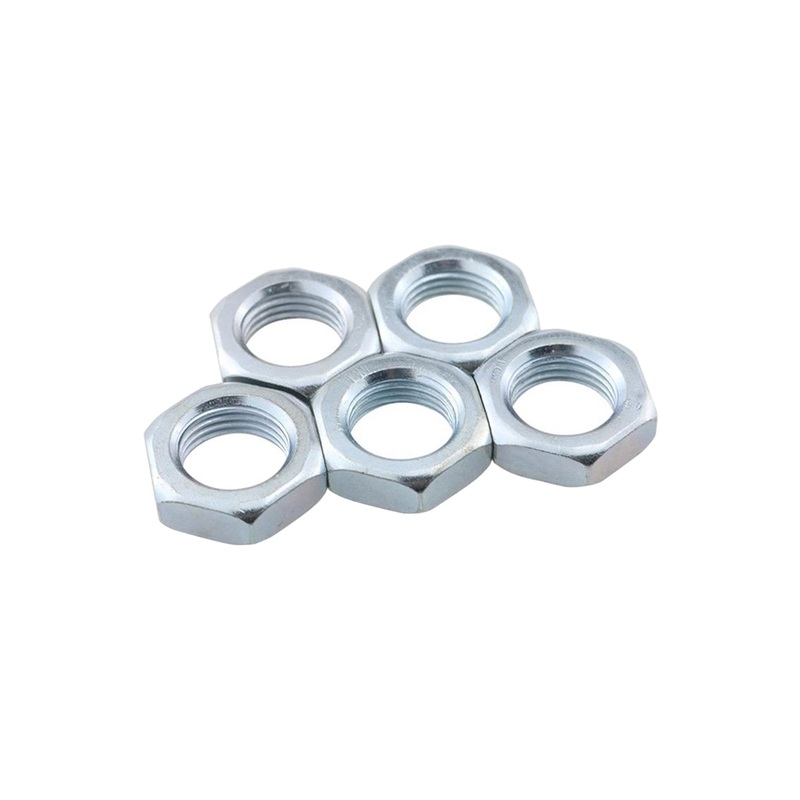
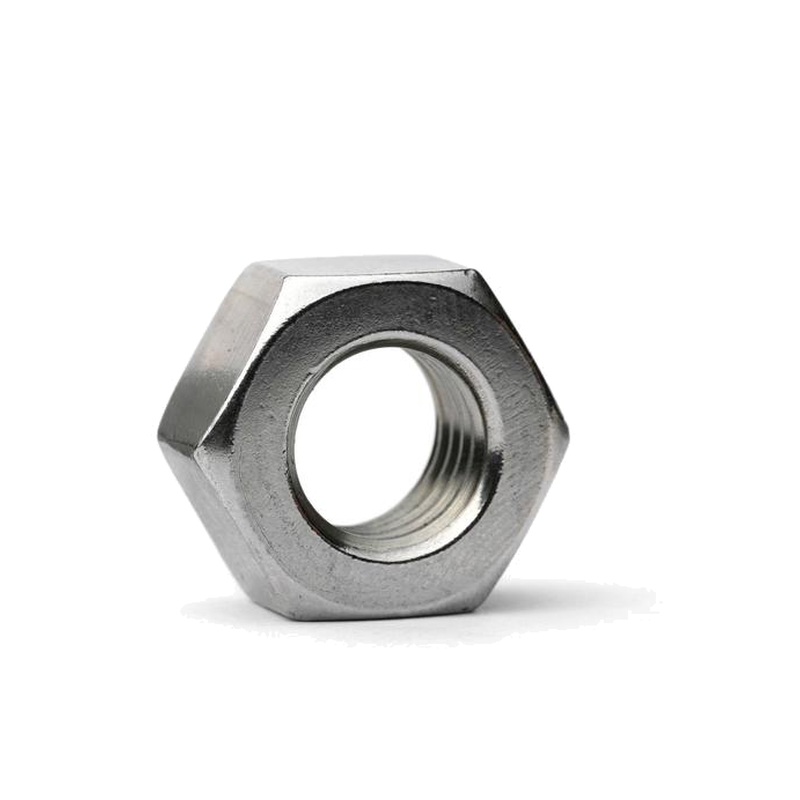
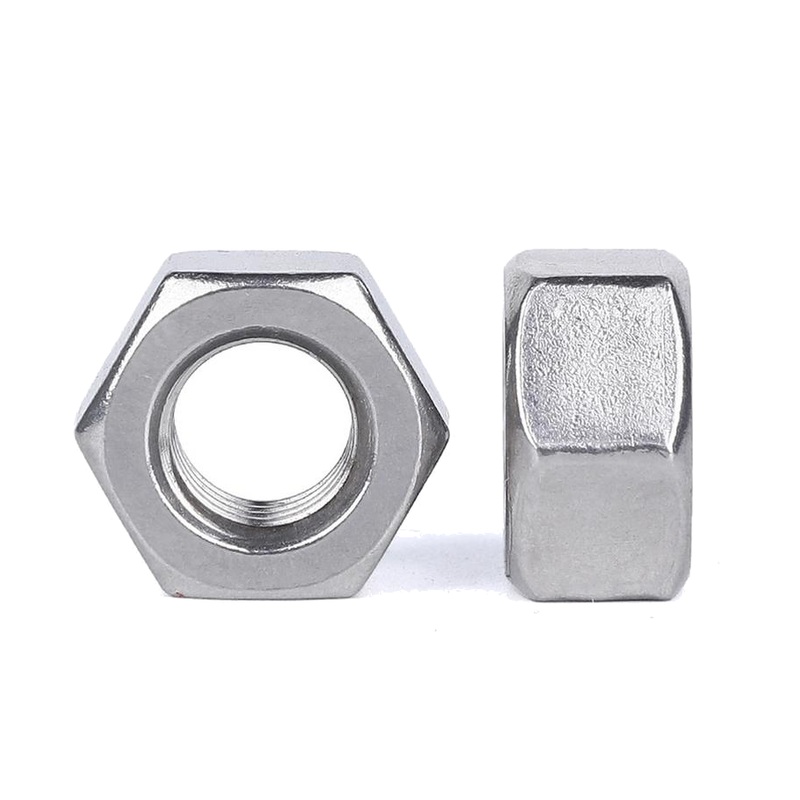
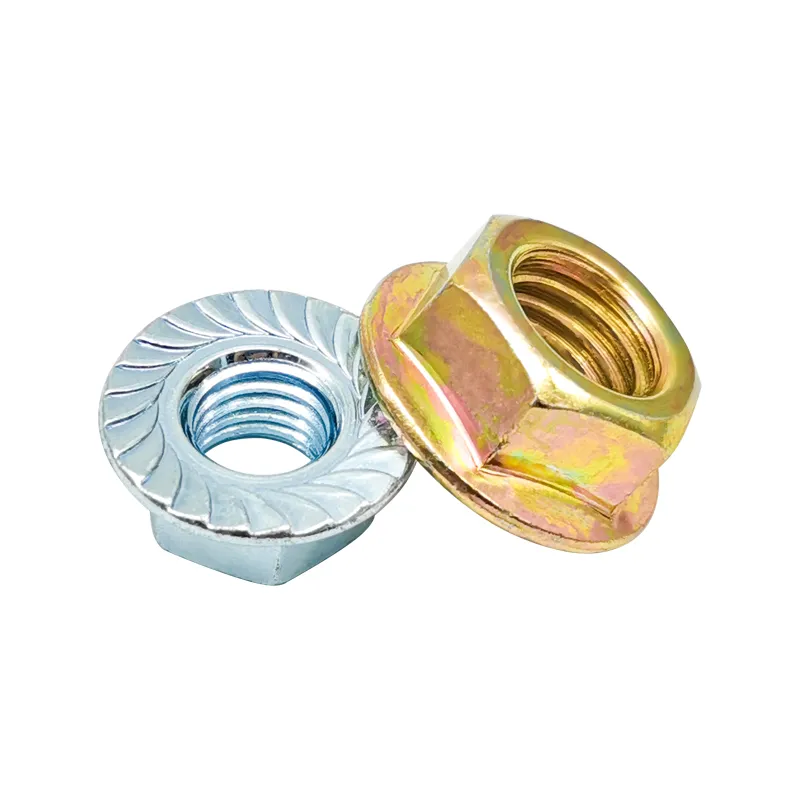
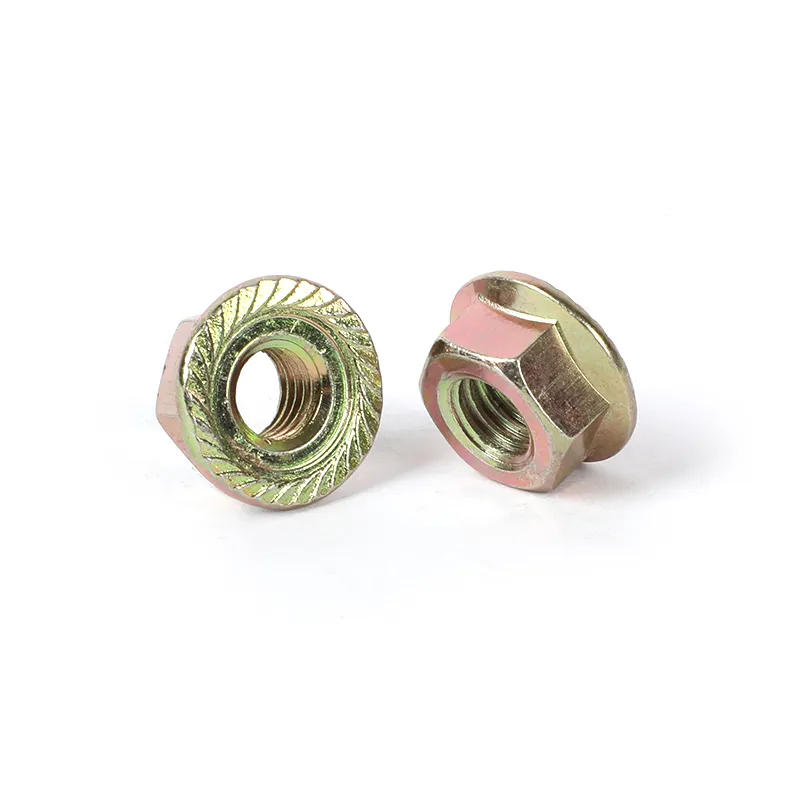
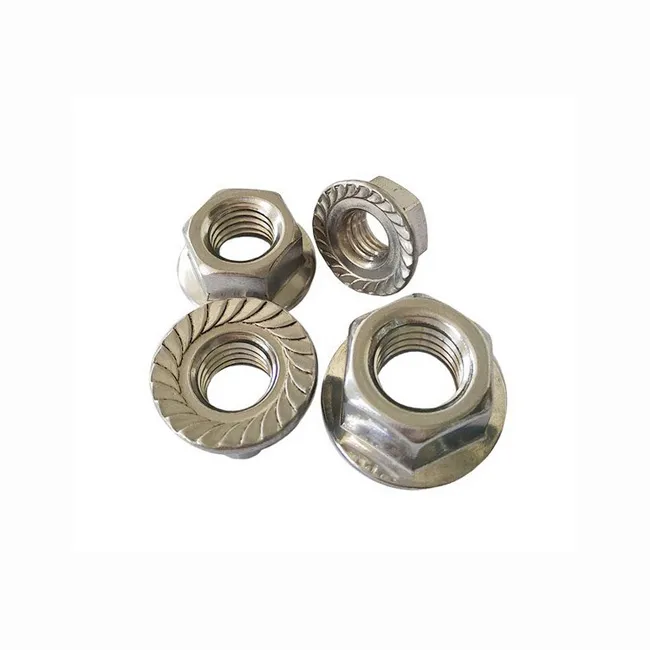
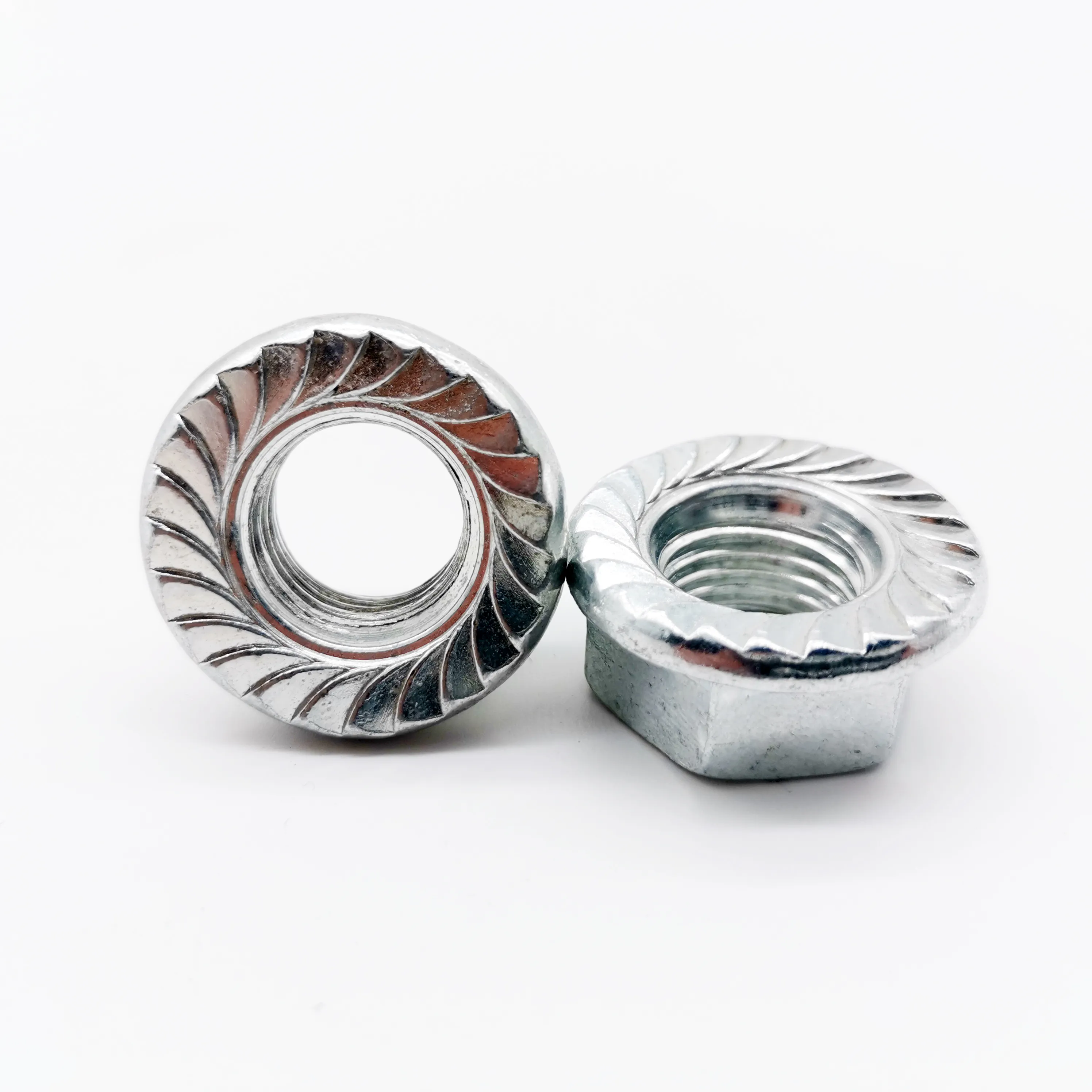
The hexagon flange nut (coarse thread) is a nut with a hexagonal head and an enlarged flange surface at the bottom, with coarse internal threads in the center. Its applicable standard is ISO 4161-1999, corresponding to the Chinese standard GB/T 6177.1. This nut does not have a built-in locking mechanism, but the bottom flange surface increases the contact area with the connected parts, serving a function similar to a flat washer while improving connection stability and anti-loosening performance. Common specifications range from M5 to M20, with materials including carbon steel (grade 8, 10, 12) and stainless steel (A2, A4), and surface treatments available such as galvanizing, blackening, nickel plating, and Dacromet. Hexagon flange nuts are widely used in automotive, machinery, and steel structures, especially suitable for applications requiring washer replacement or simplified assembly.
One Product Features
Hexagonal head with flange surface: The bottom-integrated flange plate has a unique appearance and can replace flat washers.
Increased bearing area: The flange diameter is significantly larger than the thread nominal diameter, effectively distributing axial pressure and reducing pressure on the connected part surface.
Coarse thread: Large pitch and robust thread profile allow fast assembly and disassembly with strong versatility.
Standard hexagonal drive: Compatible with standard open-end wrenches, combination wrenches, or sockets, offering good tool compatibility.
Diverse materials: Carbon steel (35K, 45#, 40Cr, 42CrMo, etc.), stainless steel (SUS304, SUS316) available to meet different strength and corrosion resistance requirements.
Rich surface treatments: Carbon steel can be galvanized, blackened, nickel-plated, or Dacromet treated; stainless steel can be natural or passivated.
Some with anti-slip serrations: The bottom of the flange can be serrated or knurled to increase friction and improve anti-loosening effect.
Two Product Advantages
Simplified assembly, fewer parts: The flange surface has a built-in washer function, eliminating the need for additional flat washers, reducing part count and assembly steps.
Good anti-loosening performance: The large friction area between the flange surface and the connected part, combined with serrated versions, effectively resists vibration and impact and reduces loosening risk.
Protects connected part surface: The larger contact area distributes pressure, avoiding damage to thin plates, soft materials, or painted surfaces.
High connection reliability: The flange prevents the nut from sinking into the hole, maintaining stable axial preload and improving connection quality.
Economical cost: Although slightly more expensive than ordinary hexagon nuts, it saves washer costs and assembly time, resulting in better overall cost efficiency.
Strong versatility: Standard coarse threads mate with conventional bolts, offering wide application range and easy maintenance and replacement.
Three Applications
Automobiles and motorcycles: Positions requiring washer replacement or anti-loosening such as engine accessories, chassis parts, wheels, exhaust pipes, and body panels.
Mechanical equipment: Applications requiring stable support and anti-loosening such as machine tools, automation equipment, transmission mechanisms, and frame connections.
Steel structures and construction: Connections with bearing area requirements such as steel structure joints, brackets, railings, and embedded parts.
Furniture and hardware: Applications requiring simplified assembly and surface protection for panels such as office furniture, shelves, and display stands.
Power and communications: Reliable grounding, anti-loosening, and pressure distribution fixation points such as distribution cabinets, cable trays, and communication equipment.
Household appliances and electronics: Compact, anti-loosening positions that protect surfaces such as enclosure fixation and internal structural connections.
Other industries: Ships, medical equipment, environmental protection equipment, agricultural machinery, etc.