Product Specifications
| Model / Specification | M1.6–M64 |
| Material | Carbon Steel |
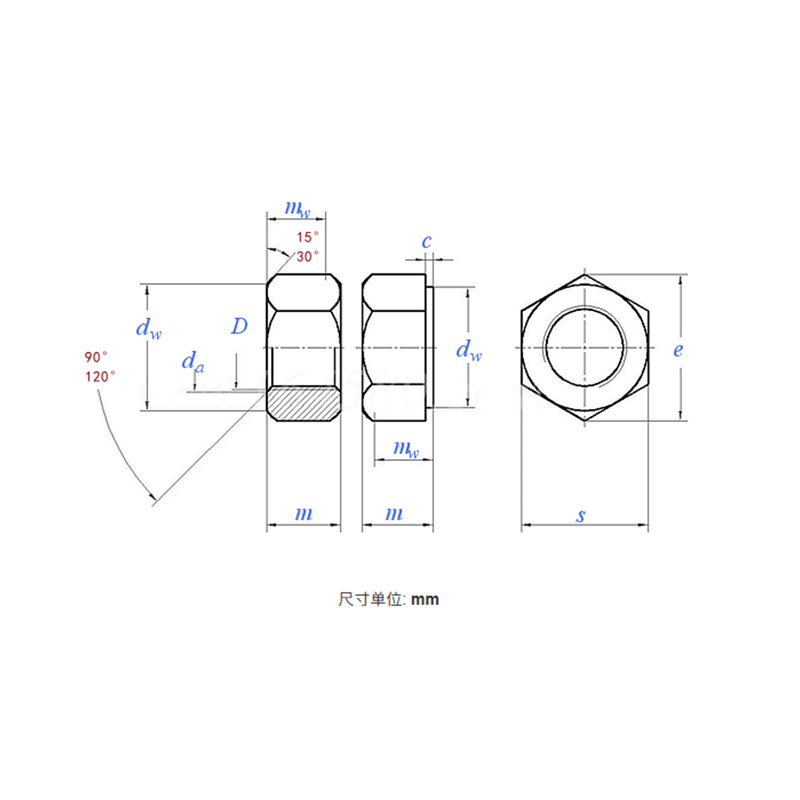
| Thread Specification D |
M1.6 | M2 | M2.5 | M3 | (M3.5) | M4 | M5 | M6 | M8 | M10 | M12 | (M14) | M16 | (M18) | M20 | |
| P | Pitch | 0.35 | 0.4 | 0.45 | 0.5 | 0.6 | 0.7 | 0.8 | 1 | 1.25 | 1.5 | 1.75 | 2 | 2 | 2.5 | 2.5 |
| c | Max | 0.2 | 0.2 | 0.3 | 0.4 | 0.4 | 0.4 | 0.5 | 0.5 | 0.6 | 0.6 | 0.6 | 0.6 | 0.8 | 0.8 | 0.8 |
| Min | 0.1 | 0.1 | 0.1 | 0.15 | 0.15 | 0.15 | 0.15 | 0.15 | 0.15 | 0.15 | 0.15 | 0.15 | 0.20.2 | 0.2 | 0.2 | |
| da | Max | 1.84 | 2.30 | 2.90 | 3.45 | 4.00 | 4.60 | 5.75 | 6.75 | 8.75 | 10.80 | 13.00 | 15.10 | 17.30 | 19.50 | 21.60 |
| Min | 1.60 | 2.00 | 2.50 | 3.00 | 3.50 | 4.00 | 5.00 | 6.00 | 8.00 | 10.00 | 12.00 | 14.00 | 16.00 | 18.00 | 20.00 | |
| dw | Min | 2.4 | 3.1 | 4.1 | 4.6 | 5.00 | 5.9 | 6.9 | 8.9 | 11.6 | 14.6 | 16.6 | 19.60 | 22.5 | 24.90 | 27.7 |
| e | Min | 3.41 | 4.32 | 5.45 | 6.01 | 6.58 | 7.66 | 8.79 | 11.05 | 14.38 | 17.77 | 20.03 | 23.36 | 26.75 | 29.56 | 32.95 |
m |
Max | 1.3 | 1.6 | 2 | 2.4 | 2.8 | 3.2 | 4.7 | 5.2 | 6.8 | 8.4 | 10.8 | 12.8 | 14.8 | 15.8 | 18 |
| Min | 1.05 | 1.35 | 1.75 | 2.15 | 2.55 | 2.9 | 4.4 | 4.9 | 6.44 | 8.04 | 10.37 | 12.1 | 14.1 | 15.1 | 16.9 | |
| mw | Min | 0.8 | 1.1 | 1.4 | 1.7 | 2.0 | 2.3 | 3.5 | 3.9 | 5.2 | 6.4 | 8.3 | 9.70 | 11.3 | 12.10 | 13.5 |
| s | Max = Nominal | 3.2 | 4 | 5 | 5.5 | 6 | 7 | 8 | 10 | 13 | 16 | 18 | 21 | 24 | 27 | 30 |
| Min | 3.02 | 3.82 | 4.82 | 5.32 | 5.82 | 6.78 | 7.78 | 9.78 | 12.73 | 15.73 | 17.73 | 20.67 | 23.67 | 26.16 | 29.16 | |
| Weight per 1000 pcs (Steel) ≈ kg | 0.05 | 0.103 | 0.212 | 0.301 | 0.411 | 0.643 | 1.19 | 2.19 | 4.74 | 8.91 | 13.67 | 21.63 | 32.66 | 42.31 |
58.37 |
|
| Thread Specification D |
(M22) | M24 | (M27) | M30 | (M33) | M36 | (M39) | M42 | (M45) | M48 | (M52) | M56 | (M60) | M64 | |
| P | Pitch | 2.5 | 3 | 3 | 3.5 | 3.5 | 4 | 4 | 4.5 | 4.5 | 5 | 5 | 5.5 | 5.5 | 6 |
| c | Max | 0.8 | 0.8 | 0.80 | 0.8 | 0.8 | 0.8 | 1.0 | 1.0 | 1.0 | 1.0 | 1.0 | 1.0 | 1.0 | 1.0 |
| Min | 0.2 | 0.2 | 0.2 | 0.2 | 0.2 | 0.2 | 0.3 | 0.3 | 0.3 | 0.3 | 0.3 | 0.3 | 0.3 | 0.3 | |
| da | Max | 23.70 | 25.90 | 29.1 | 32.40 | 35.6 | 38.90 | 42.1 | 45.40 | 48.6 | 51.80 | 56.2 | 60.50 | 64.80 | 69.10 |
| Min | 22.00 | 24.00 | 27.0 | 30.00 | 33.0 | 36.00 | 39.00 | 42.00 | 45.0 | 48.00 | 52.0 | 56.00 | 60.00 | 64.00 | |
| dw | Min | 31.4 | 33.3 | 38.0 | 42.8 | 46.6 | 51.1 | 55.90 | 60.0 | 64.7 | 69.5 | 74.2 | 78.7 | 83.40 | 88.2 |
| e | Min | 37.29 | 39.55 | 45.2 | 50.85 | 55.37 | 60.79 | 66.44 | 71.3 | 76.95 | 82.6 | 88.25 | 93.56 | 99.21 | 104.86 |
m |
Max | 19.4 | 21.5 | 23.8 | 25.6 | 28.7 | 31 | 33.4 | 34 | 36 | 38 | 42 | 45 | 48 | 51 |
| Min | 18.1 | 20.2 | 22.5 | 24.3 | 27.4 | 29.4 | 31.8 | 32.4 | 34.4 | 36.4 | 40.4 | 43.4 | 46.4 | 49.1 | |
| mw | Min | 14.50 | 16.2 | 18.0 | 19.4 | 21.9 | 23.5 | 25.4 | 25.9 | 27.5 | 29.1 | 32.3 | 34.7 | 37.10 | 39.3 |
| s | Max = Nominal | 34 | 36 | 41 | 46 | 50 | 55 | 60 | 65 | 70 | 75 | 80 | 85 | 90 | 95 |
| Min | 33 | 35 | 40 | 45 | 49 | 53.8 | 58.8 | 63.1 | 68.1 | 73.1 | 78.1 | 82.8 | 87.8 | 92.8 | |
| Weight per 1000 pcs (Steel) ≈ kg | 82 | 100.5 | 147.3 | 205.2 | 268.8 | 351.7 | 455.9 | 534.8 | 663.1 | 816.8 | 1012 | 1202 | 1418 | 1659 | |
Extra Large Nut — Product Introduction
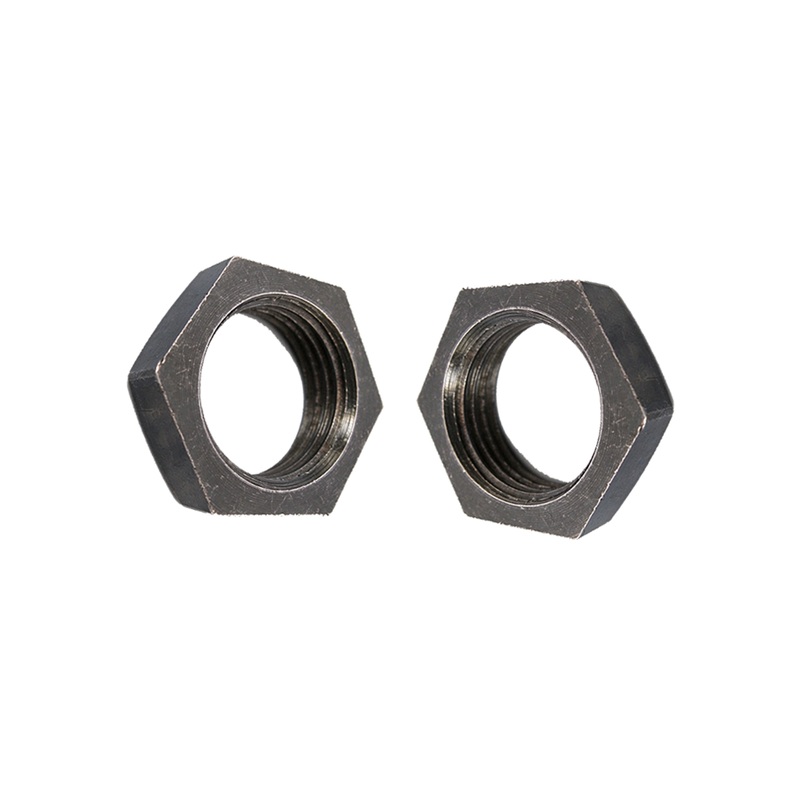
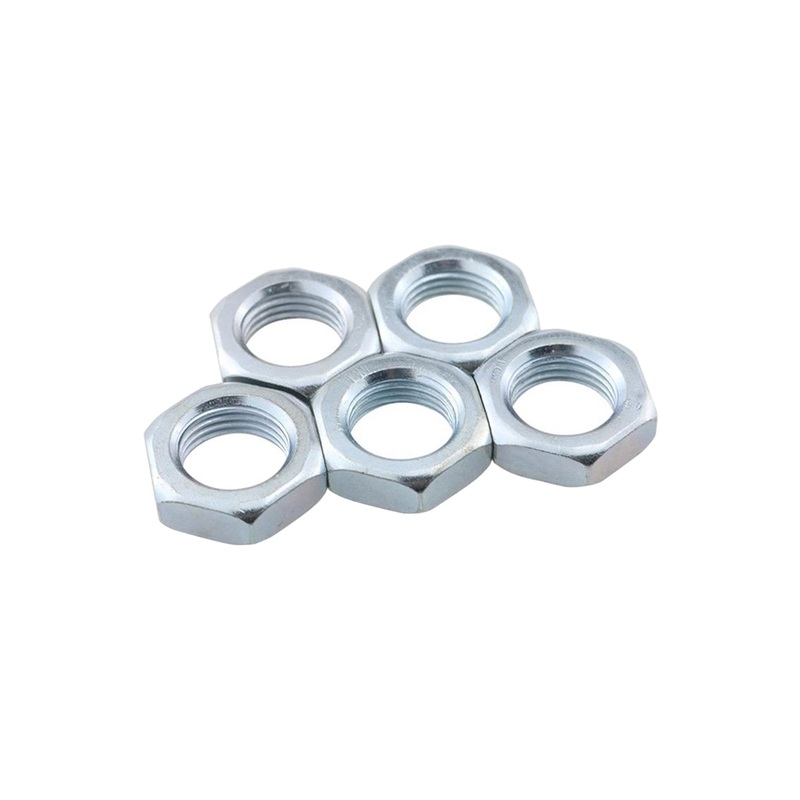
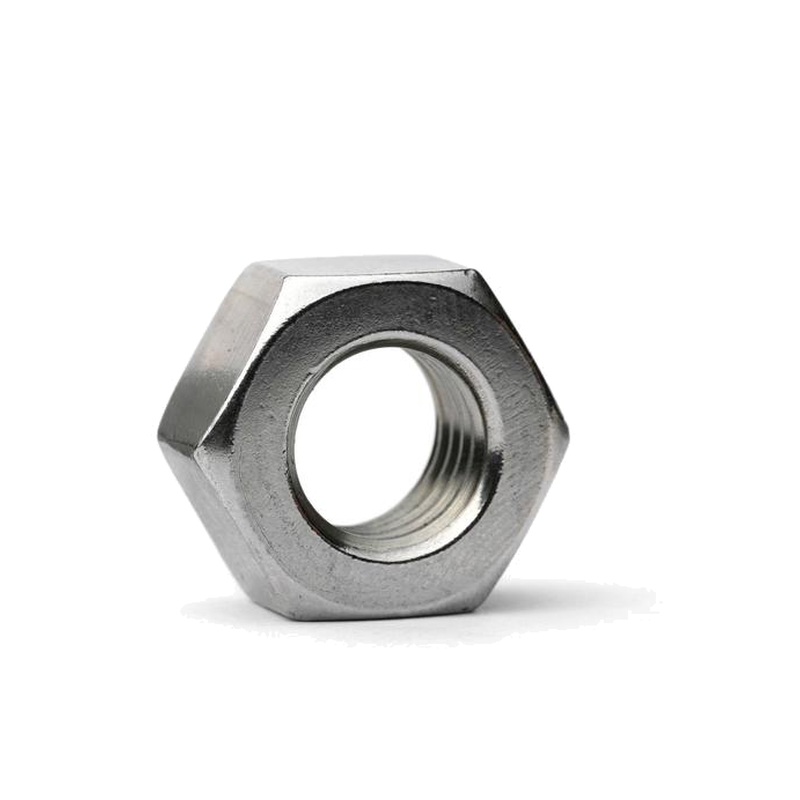
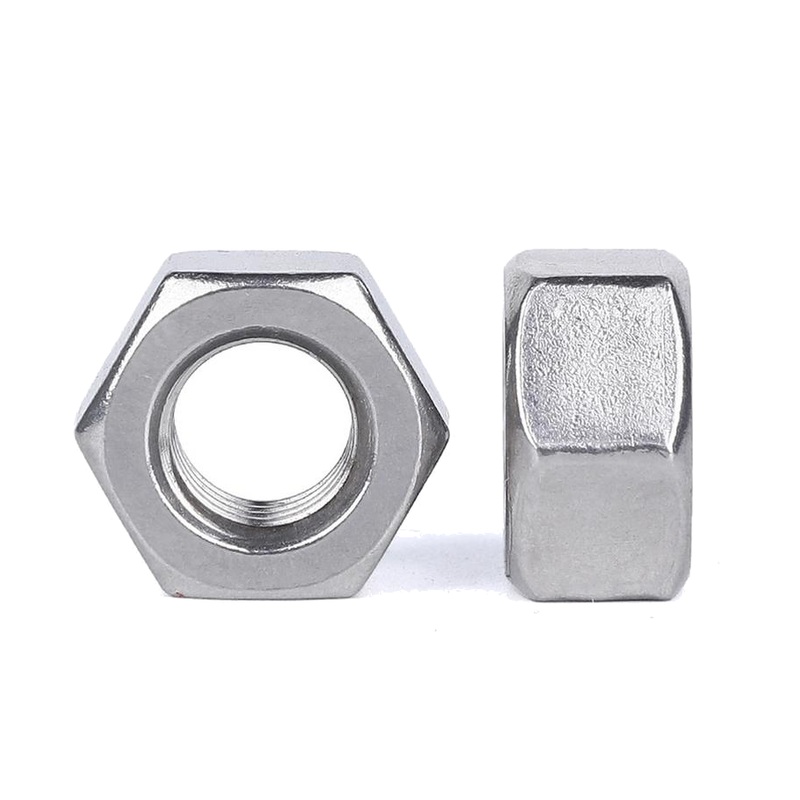
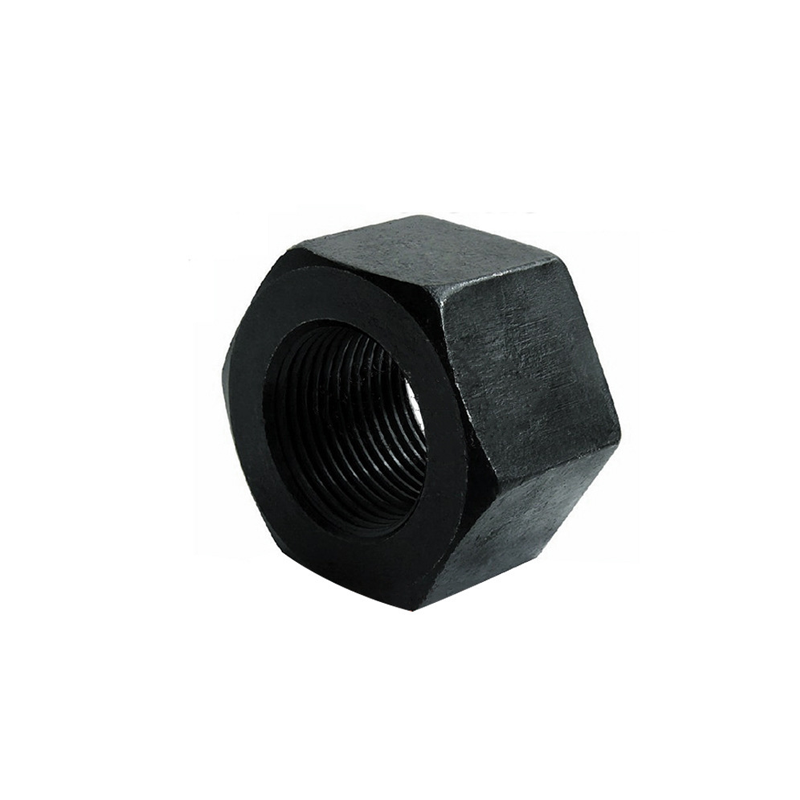
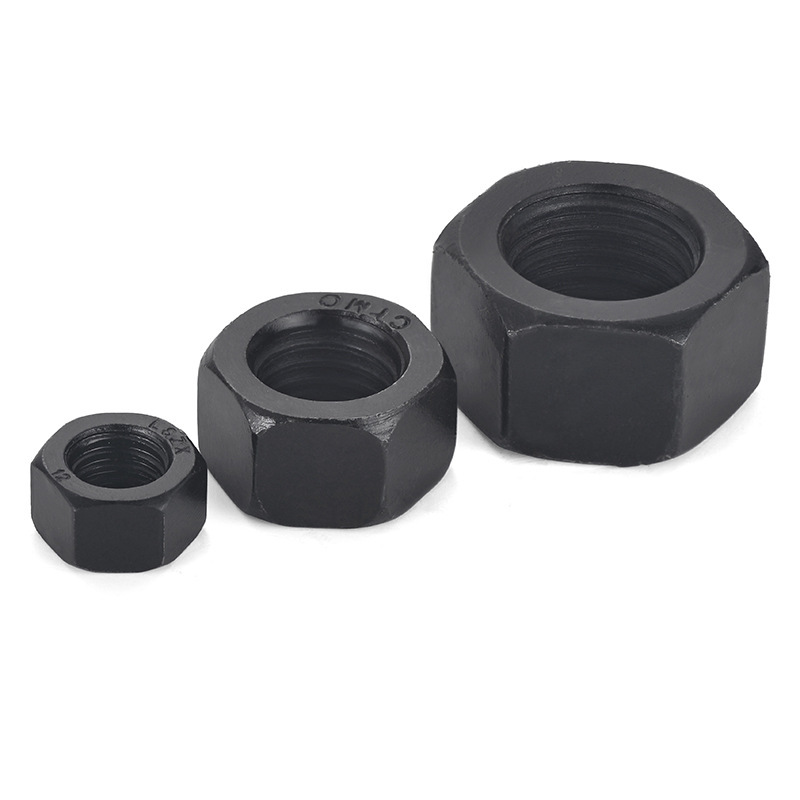
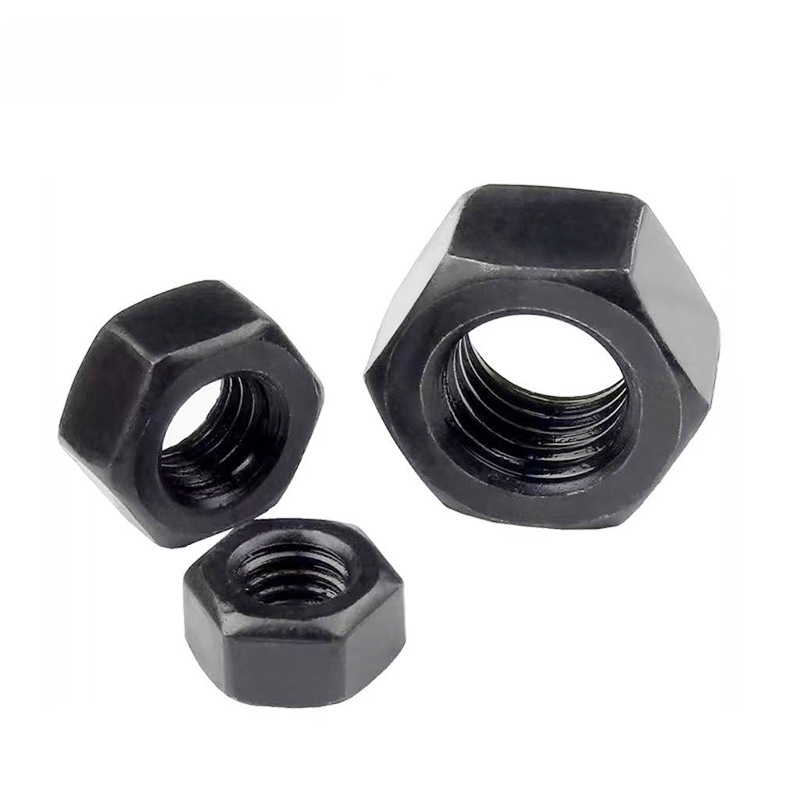
The large hexagon nut is a standard fastener and a professional term in the field of mechanical engineering. Compared with ordinary hexagon nuts, its core feature is a larger across-flats width, hence the common name “large hex nut.”
The current national standard is GB/T 1231-2024 “High-Strength Large Hexagon Head Bolt, Nut and Washer Assemblies for Steel Structures,” which was officially implemented on April 1, 2025, fully replacing the old standards such as GB/T 1229-2006. The large hexagon nut must be used together with high-strength large hexagon head bolts and washers of the same standard; the three together form a complete connection assembly. Product specifications range from M12 to M36, and the performance grades are divided into grade 8H and grade 10H. This product is mainly used for friction-type high-strength bolt connections in steel structures, and is a key connecting element in major projects such as bridges, buildings, and towers.
I. Product Features
Standardized Product: Produced strictly in accordance with the national standard GB/T 1231-2024, with high dimensional accuracy and strong versatility, and excellent matching performance with bolts of the same specification.
Larger Across-Flats Dimension: Compared with ordinary hexagon nuts, the large hexagon nut has a larger across-flats width, providing a larger contact area and stronger load-bearing capacity. For example, the across-flats width s of the M20 specification is approximately 34 mm.
High Strength Grade: The performance grades are divided into grade 8H and grade 10H, of which grade 10H has higher strength, with a guaranteed load reaching 850,000 N (for the M36 specification).
Matching Use: Must be used as a connection assembly together with high-strength bolts of grade 10.9S or 8.8S and matching washers of the same standard; none of the three can be omitted.
Diverse Surface Treatment: According to anti-corrosion requirements, treatments such as blackening, phosphating, and Dacromet coating can be adopted to suit outdoor and corrosive environments.
II. Product Advantages
Outstanding Load-Bearing Capacity: The large across-flats design provides a larger bearing surface; combined with the high strength grade (grade 10H hardness 239–304 HV30), it can withstand huge loads and ensure connection reliability.
Complete Standard System: Relying on the integrated standard GB/T 1231-2024, the technical conditions, dimensions, and material requirements of bolts, nuts, and washers are unified and coordinated, making selection and matching simple.
Flexible Material Selection: Both grade 8H and grade 10H nuts can be made from various materials such as 35, 45, ML35, ML45, and 40Cr. The new standard adds ML45 and 40Cr, providing more options for production.
Convenient Installation: The hexagon head design facilitates the use of standard wrenches to apply large torque, making installation and removal operations efficient.
High Connection Reliability: The friction-type high-strength bolt connection method has good seismic and fatigue resistance, significantly improving the safety and reliability of the structure.
III. Scope of Application
Bridge Engineering: Key joint connections in steel structures of railway bridges, highway bridges, sea-crossing bridges, etc.
Industrial and Civil Buildings: Frame connections in steel structure workshops, high-rise buildings, and large venues (such as stadiums and exhibition centers).
Tower and Mast Structures: Fastening connections in tower structures such as transmission towers, TV towers, and communication towers.
Boilers and Lifting Machinery: Connection and fixing of heavy equipment such as boiler steel structures, cranes, and tower cranes.
Other Steel Structure Projects: Places requiring high-strength friction-type bolt connections, such as offshore platforms and port facilities.
Standard: GB/T 1231-2024 | Specifications: M12–M36 | Performance Grades: 8H, 10H | Materials: 35, 45, ML35, ML45, 40Cr | Matching Bolt Grades: 10.9S, 8.8S