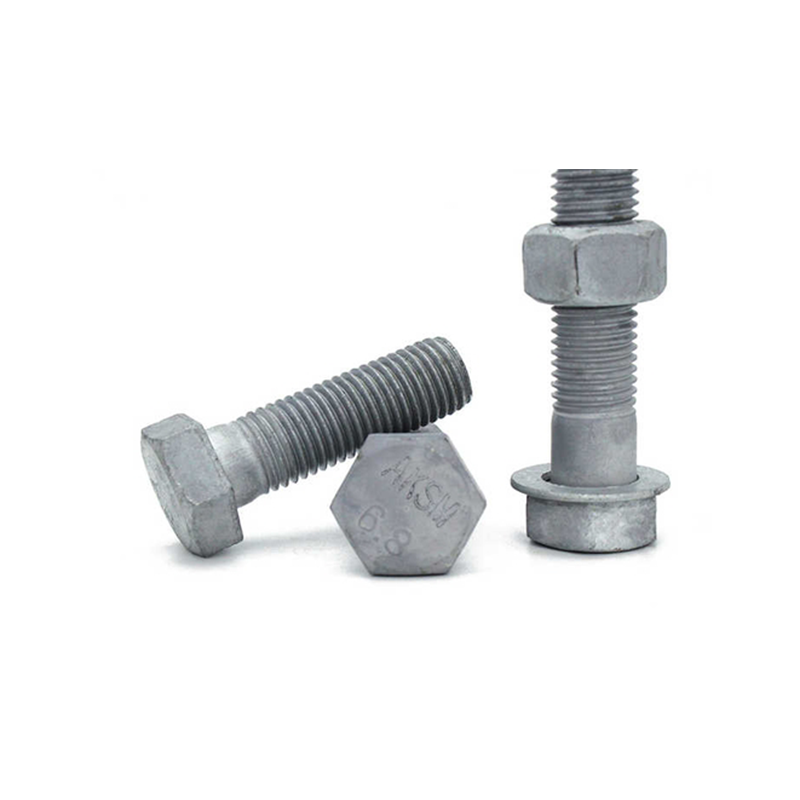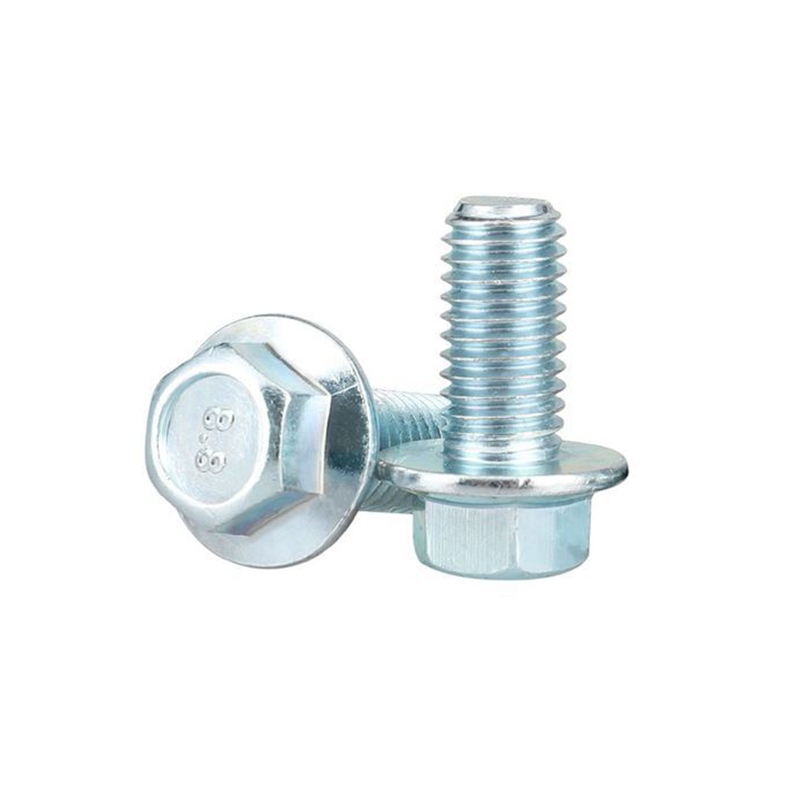
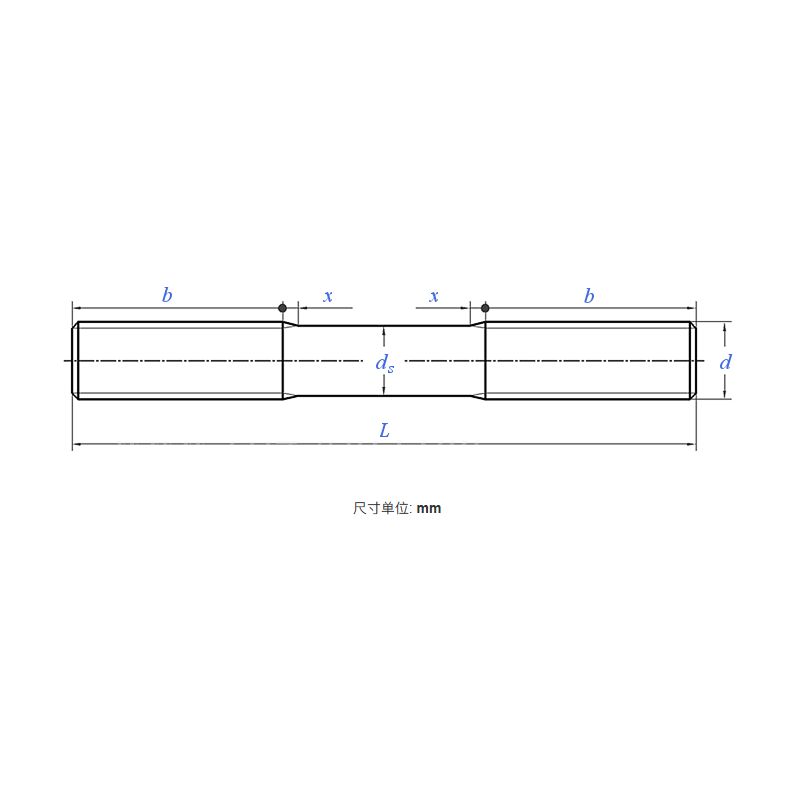
Product Specifications
| Model / Specification | Carbon Steel |
| Material | Carbon Steel |
| Thread Spec. d |
M10 | M12 | M14 | M16 | M20 | M24 | M27 | M30 | |
| p | Coarse | 1.5 | 1.75 | 2 | 2 | 2.5 | 3 | 3 | 3.5 |
| Fine | / | / | / | / | / | / | / | / | |
| b | 32 | 36 | 40 | 44 | 52 | 60 | 66 | 72 | |
| Thread Spec. d |
M33 | M36 | M39 | M42 | M45 | M48 | M52 | M56 | |
| p | Coarse | 3.5 | / | / | / | / | / | / | / |
| Fine | / | 3 | 3 | 3 | 3 | 3 | 4 | 4 | |
| b | 78 | 84 | 89 | 96 | 102 | 108 | 116 | 124 | |
Double End Stud – Product Description
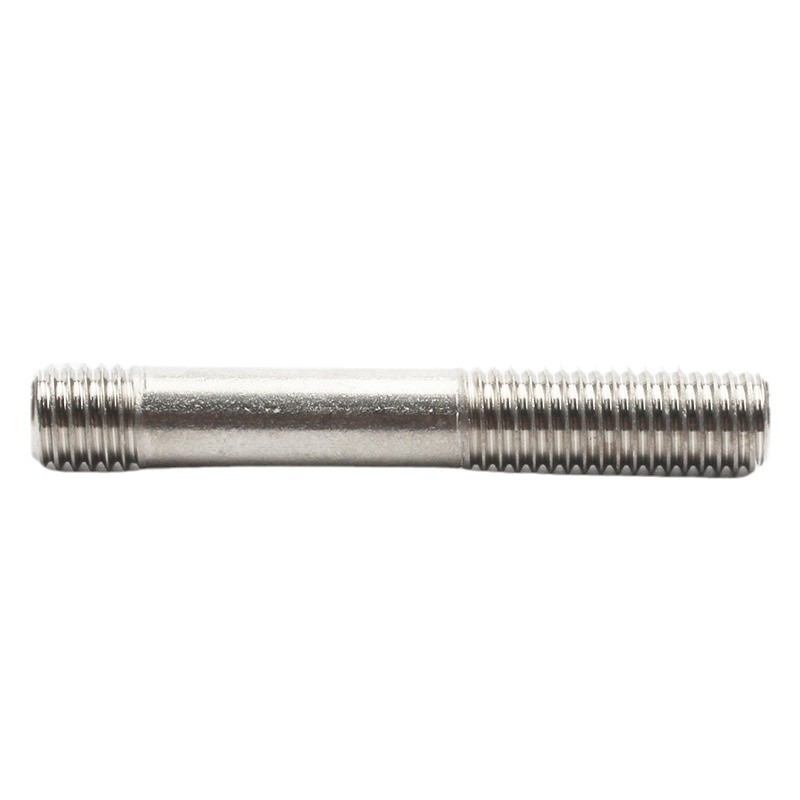
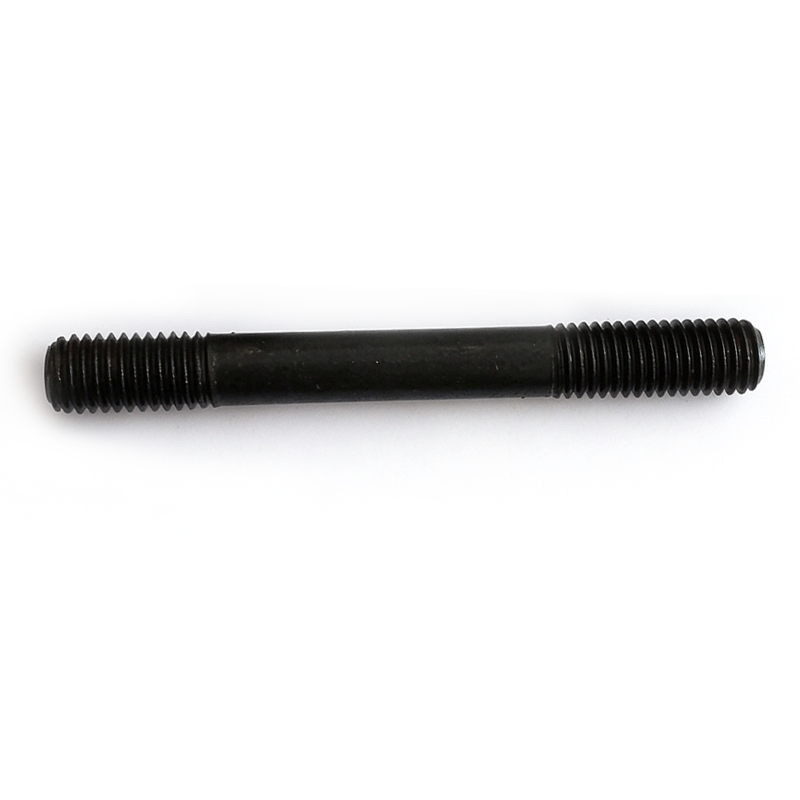
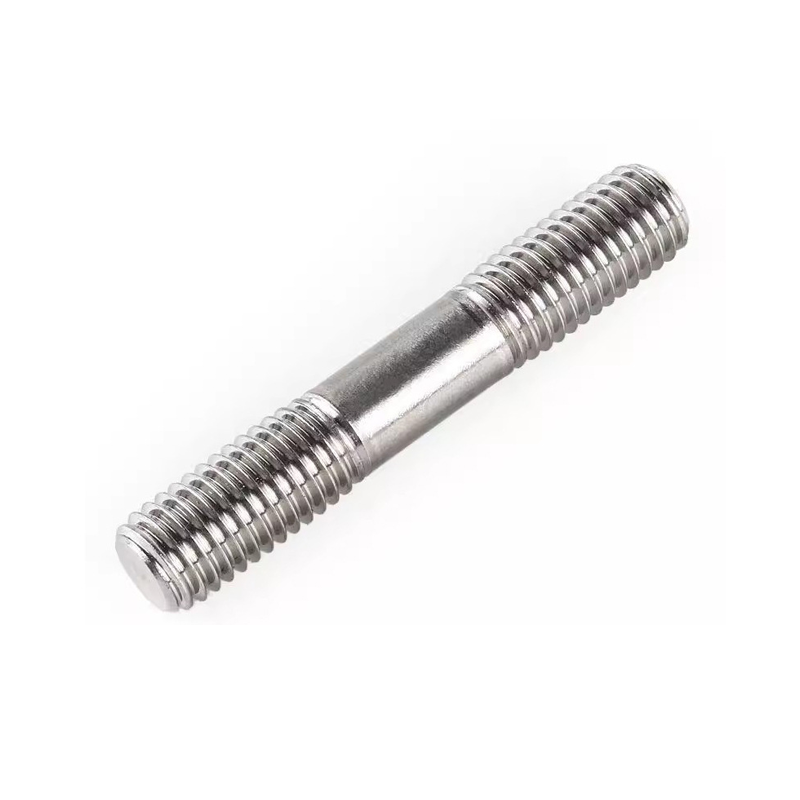
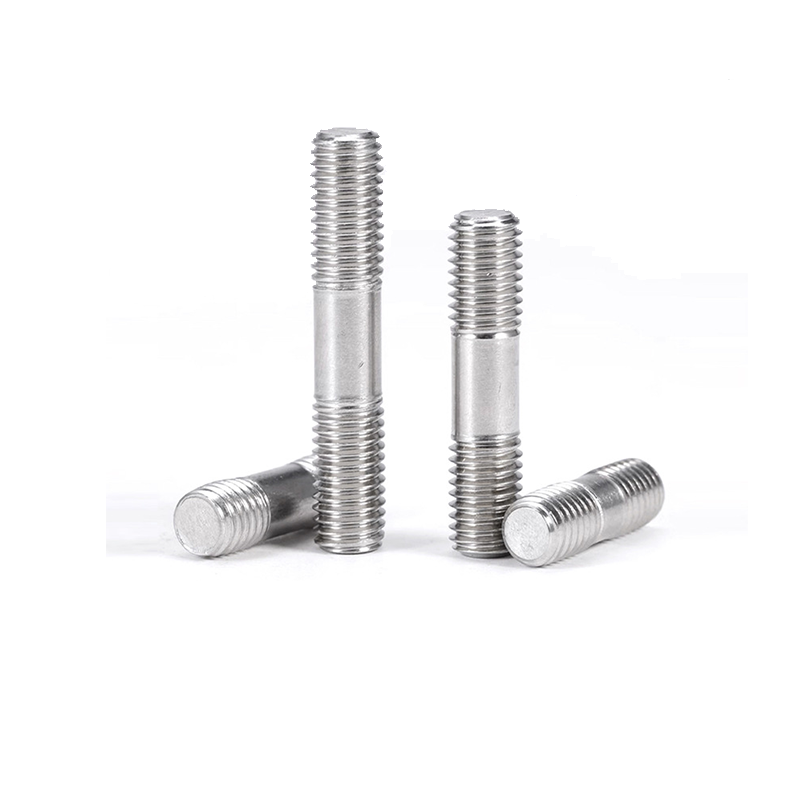
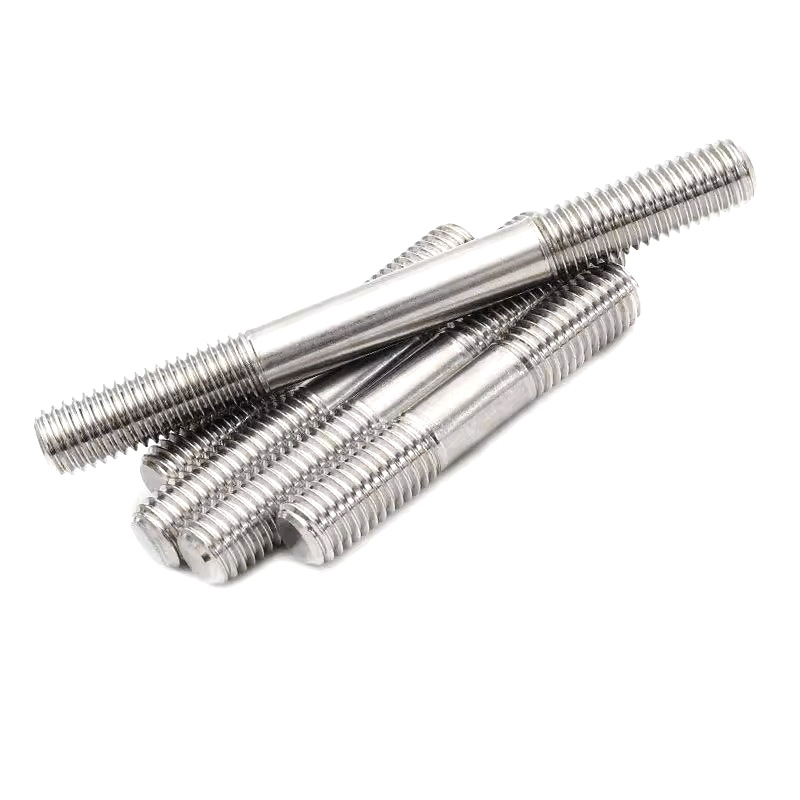
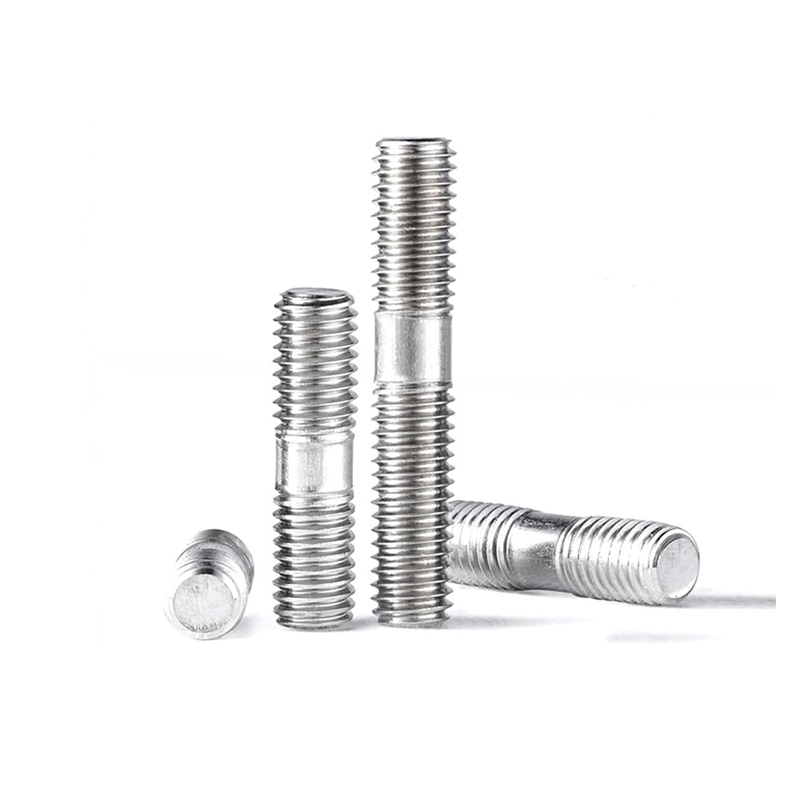
A double end stud, also known as a stud bolt, is a cylindrical fastener with threads on both ends and a smooth middle section. Typically, one end is threaded into a tapped hole in the main body component for fixation, while the other end passes through a through-hole in the mating part and is secured with a lock nut. This design makes it particularly suitable for applications where the body thickness is large, frequent disassembly is required, or the use of ordinary hex bolts is impractical.
I. Product Features
Double-end thread design: Threads on both ends enable “one end fixed, one end locked” functionality, facilitating convenient installation and removal of attachments.
Multiple types available: Depending on the ratio of the threaded end length (bm) to the nominal diameter (d), different types are available to suit various base materials — for example, bm=1d for steel parts, bm=1.25d/1.5d for iron castings, and bm=2d for aluminum alloy parts.
Comprehensive surface treatments: Products typically undergo black oxide, electroplating, phosphating, or Dacromet surface treatments to enhance corrosion resistance and rust protection.
Unified standard compliance: Manufactured in accordance with national standards such as GB/T 897–901, with a wide range of specifications; common diameters range from M3 to M100.
II. Product Advantages
Effective protection of main equipment: In applications requiring frequent attachment disassembly, the risk of thread wear is transferred directly to the double end stud. When threads are damaged, only the stud needs replacement, avoiding costly damage to the expensive threaded holes in the main body — resulting in low maintenance cost and great convenience.
Solves thick-wall connection challenges: For connections where the mating part thickness is too large for ordinary bolts to achieve, double end studs are an ideal choice, providing stable and reliable clamping force.
Flexible material and grade selection: Product materials cover Q235, 45# steel, 40Cr, as well as 35CrMoA, 304 stainless steel, and more; performance grades range from 4.8 to 12.9, customizable according to specific strength requirements.
Strong universality: Complete specifications (M3–M100), customizable lengths, and options in fully threaded and partially threaded forms — meeting diverse installation needs.
III. Application Areas
Double end studs are widely used across industrial sectors, particularly suited for the following typical scenarios:
Large equipment attachment installation: Such as sight glasses on chemical and power equipment, mechanical seal seats, and gearbox frame fixation — leveraging their frequent-disassembly capability and main-body protection characteristics.
Heavy machinery and construction structures: Extensively applied in mining machinery, bridges, boiler steel structures, crane towers, large-span steel structures, and foundation bolt connections in large buildings.
Transportation sector: Used for critical component connections in automobiles, motorcycles, and other vehicles; specialized standards such as QC/T 871 further specify automotive industry applications.
Petroleum, chemical, and valve industries: In high-strength, high-corrosion-resistance requirements for pipe, valve, and pressure vessel connections, high-strength or corrosion-resistant materials (such as B7, 304/316, etc.) are commonly employed.