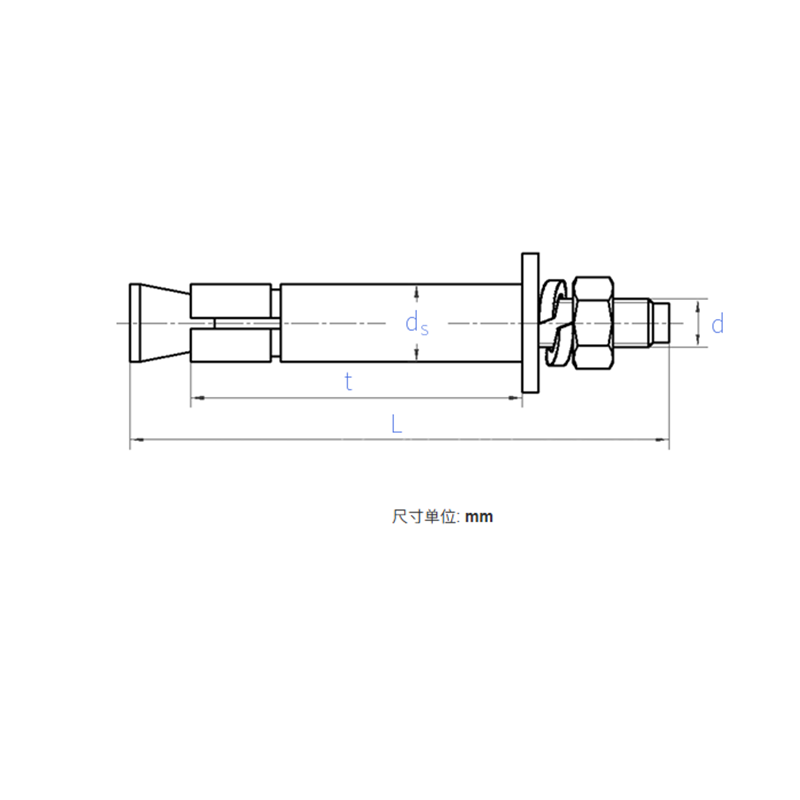
Product Specifications
| Model / Specification | M10 - M24 |
| Material | Carbon Steel |
| Thread Size d |
M10 /18×60 |
M10 /18×100 |
M12 /18×80 |
M12 /18×100 |
M12 /18×120 |
M12 /18×150 |
M12 /22×80 |
M12 /22×100 |
M12 /22×120 |
M12 /22×150 |
M16 /22×130 |
M16 /22×150 |
M16 /22×180 |
|
| ds | Sleeve Dia. | 18 | 18 | 18 | 18 | 18 | 18 | 22 | 22 | 22 | 22 | 22 | 22 | 22 |
| t | Embed. Depth | 60 | 100 | 80 | 100 | 120 | 150 | 80 | 100 | 120 | 150 | 130 | 150 | 180 |
| Hole Depth | 80 | 120 | 100 | 120 | 140 | 170 | 100 | 120 | 140 | 170 | 150 | 170 | 200 | |
| L | Bolt Length | 110 | 150 | 130 | 150 | 170 | 200 | 130 | 150 | 170 | 200 | 190 | 210 | 240 |
| Thread Size d |
M16 /22×200 |
M16 /28×130 |
M16 /28×150 |
M16 /28×180 |
M16 /28×200 |
M20 /28×150 |
M20 /28×180 |
M20 /28×210 |
M20 /28×250 |
M20 /28×280 |
M20 /35×150 |
M20 /35×180 |
M20 /35×210 |
|
| ds | Sleeve Dia. | 22 | 28 | 28 | 28 | 28 | 28 | 28 | 28 | 28 | 28 | 28 | 28 | 28 |
| 28t | Embed. Depth | 200 | 130 | 150 | 180 | 200 | 150 | 180 | 210 | 250 | 280 | 150 | 180 | 210 |
| Hole Depth | 220 | 150 | 170 | 200 | 220 | 170 | 200 | 230 | 270 | 300 | 170 | 200 | 230 | |
| L | Bolt Length | 260 | 190 | 210 | 240 | 260 | 230 | 260 | 290 | 330 | 360 | 230 | 260 | 290 |
| Thread Size d |
M20 /35×250 |
M20 /35×280 |
M24 /32×200 |
M24 /32×250 |
M24 /32×300 |
M24 /32×350 |
M24 /38×200 |
M24 /38×250 |
M24 /38×300 |
M24 /38×350 |
M24 /38×350 |
M24 /38×450 |
|
| ds | Sleeve Dia. | 35 | 35 | 32 | 32 | 32 | 32 | 38 | 38 | 38 | 38 | 38 | 38 |
| 28t | Embed. Depth | 250 | 280 | 200 | 250 | 300 | 350 | 200 | 250 | 300 | 350 | 350 | 450 |
| Hole Depth | 270 | 300 | 220 | 270 | 320 | 370 | 220 | 270 | 320 | 370 | 370 | 470 | |
| L | Bolt Length | 330 | 360 | 300 | 350 | 400 | 450 | 300 | 350 | 400 | 450 | 470 | 570 |
Post-Installed Undercut Anchor – Product Introduction
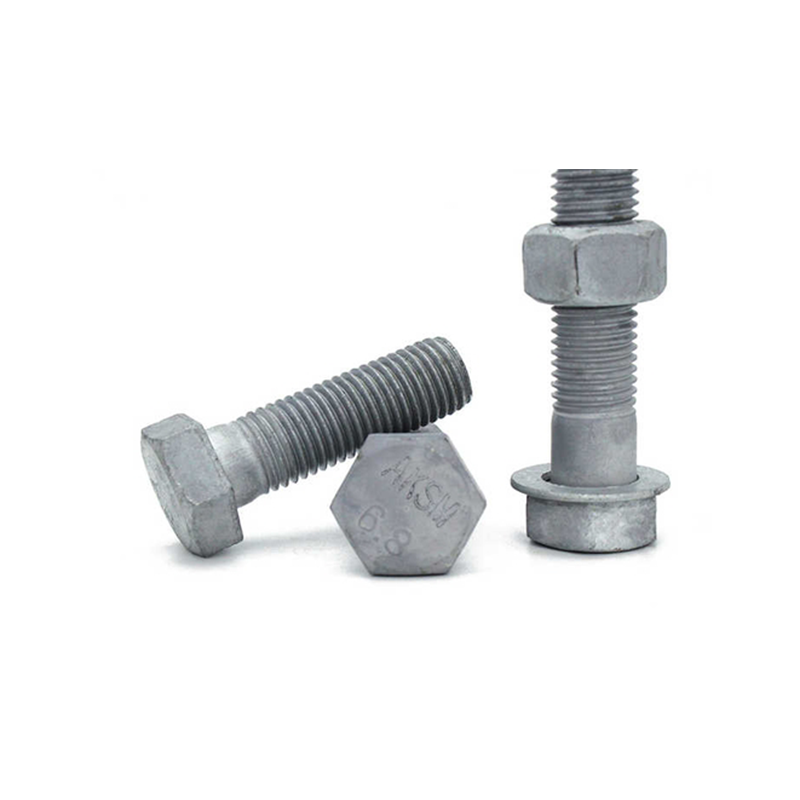
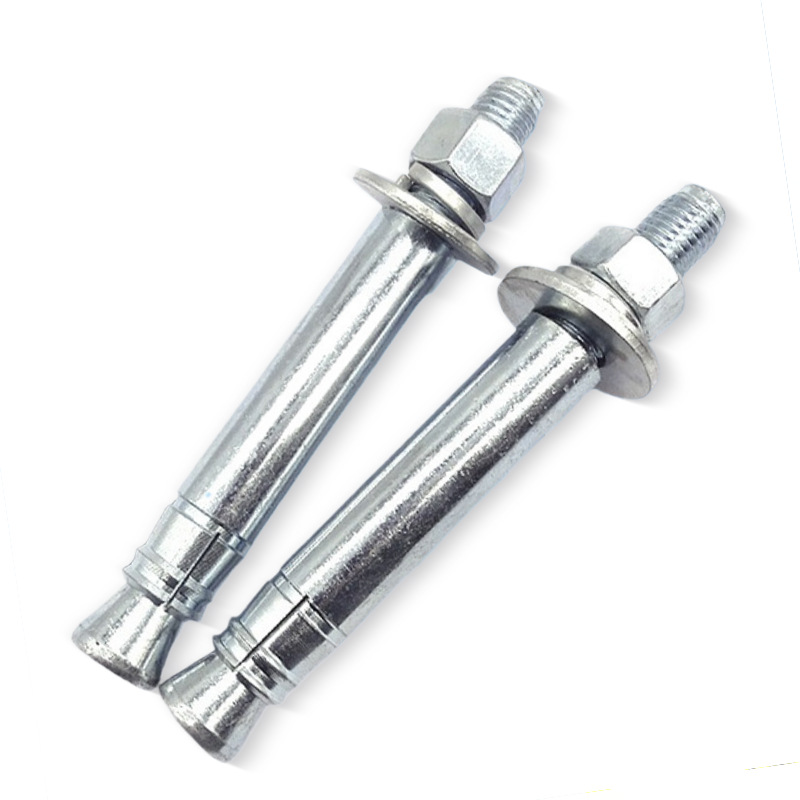
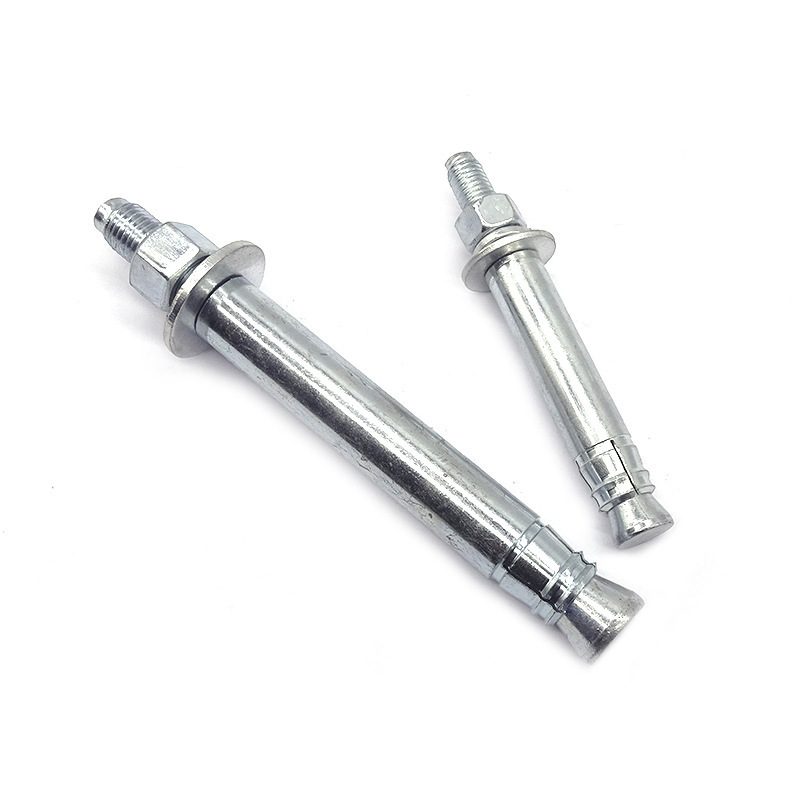
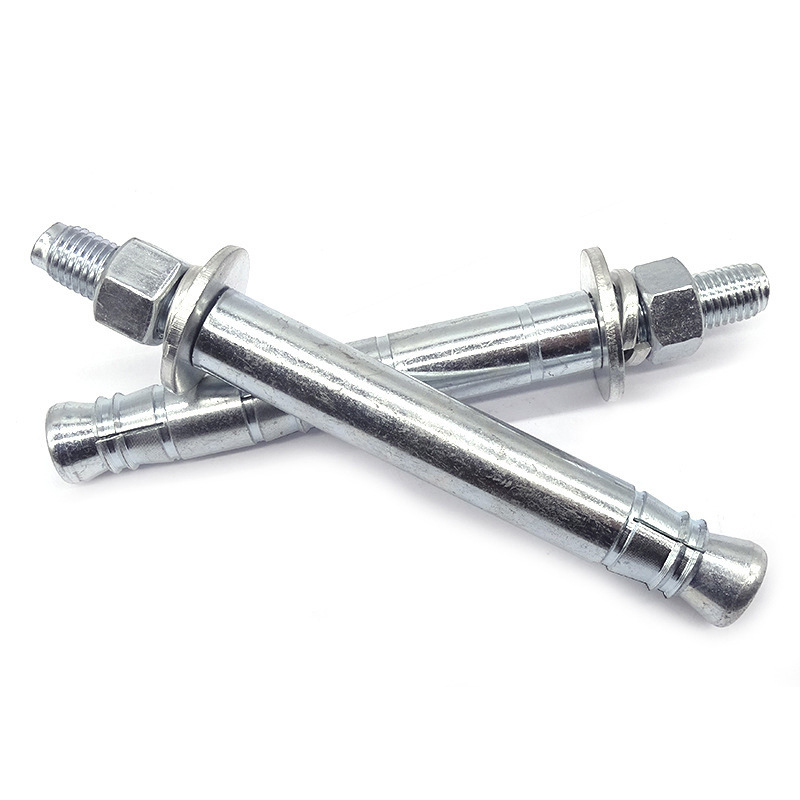
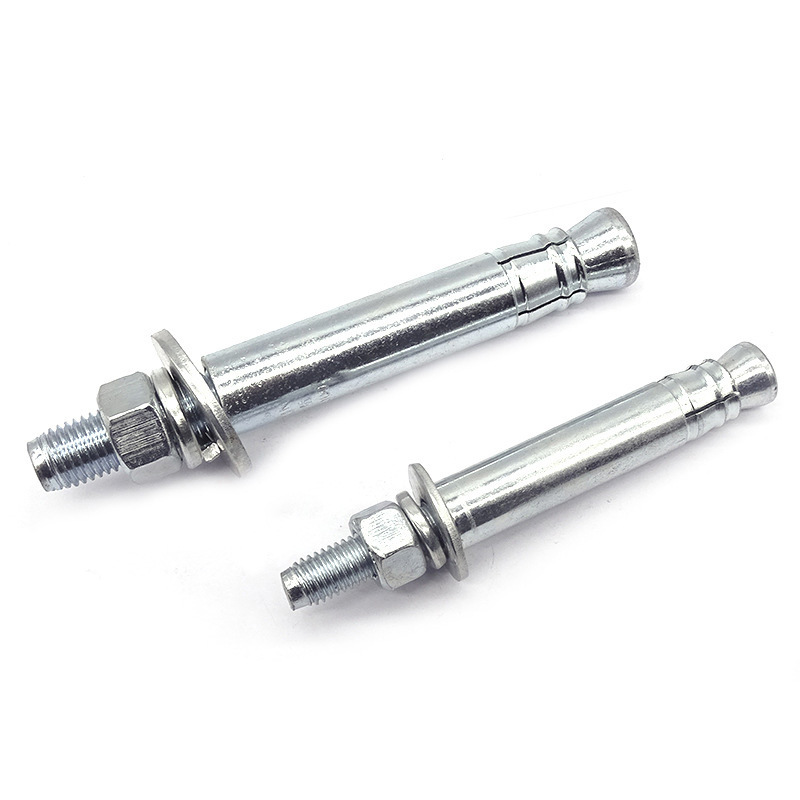
This is a heavy-duty post-installed undercut anchor designed specifically for high-safety applications. It uses a special drill bit to cut a conical counterbore at the bottom of the concrete hole; during tightening, the tapered bolt head forces the sleeve into the counterbore to form a key-lock. This “post-installed undercut” anchoring does not rely on friction but on mechanical key interlock, remaining reliable even in cracked concrete, seismic conditions, and dynamic loads. Conforms to standard YJT 1022, covering sizes M10 to M30.
I. Product Features
Undercut key-lock principle: A pre-formed conical groove is created by under-reaming; once expanded, the sleeve forms a positive mechanical interlock with the hole wall, rather than relying solely on friction.
Low expansion stress: Expansion occurs in the undercut key-lock zone at the hole bottom, minimizing pressure on the hole wall, allowing for smaller edge distances and spacing.
Self-undercut function: Usually paired with a dedicated drill bit that can directly cut the counterbore in concrete, ensuring a tight match between the counterbore and the bolt’s tapered head.
Full size range: M10, M12, M16, M20, M24, and M30, covering anchoring needs from ordinary to ultra-heavy duty.
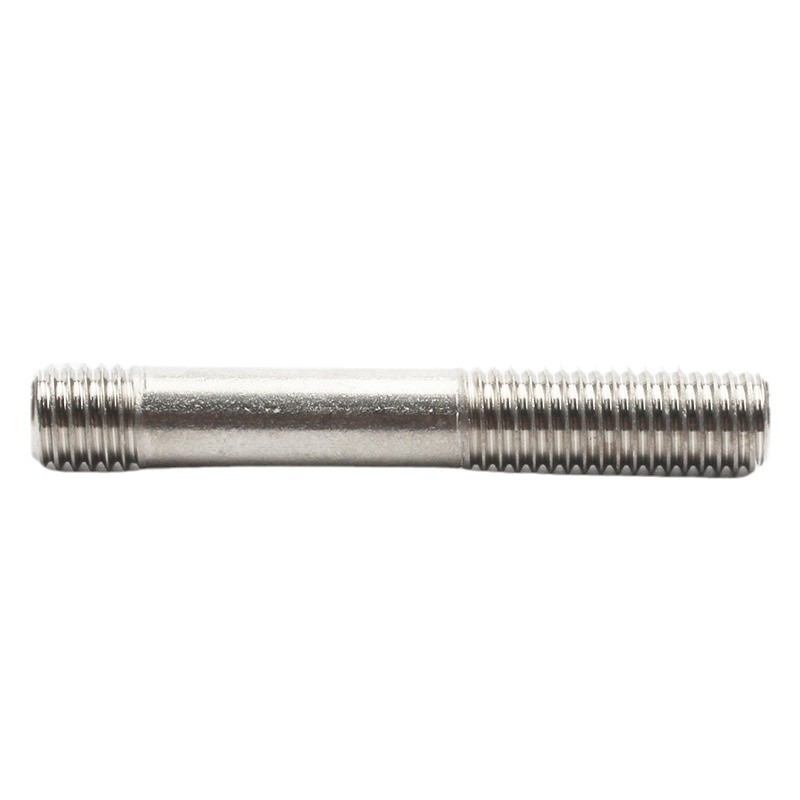
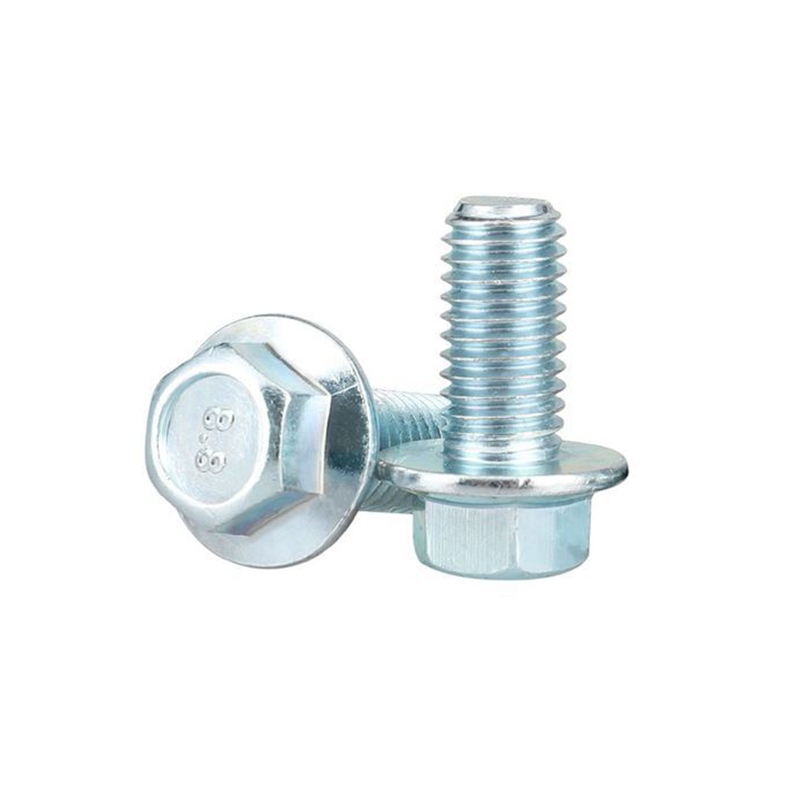
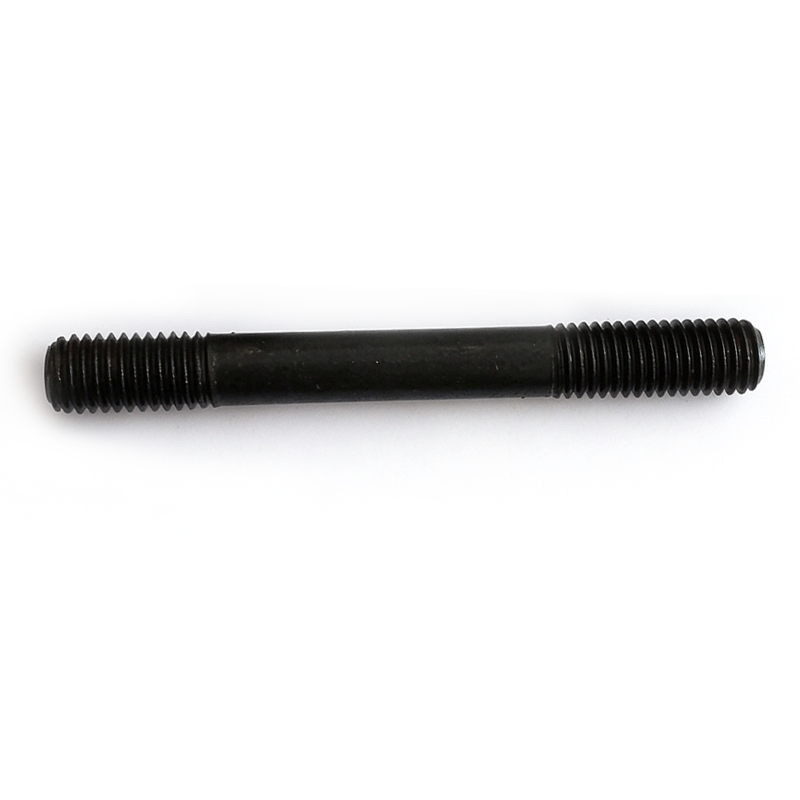
High-strength materials: Bolts and sleeves are typically made of high-strength carbon steel (Grade 8.8 / 10.9) or stainless steel, with hot-dip galvanizing or Dacromet surface treatment.
II. Product Advantages
Extremely high load capacity: The failure mode of key-lock interlock is concrete cone failure, with load values far exceeding those of ordinary expansion bolts, reaching ultimate limit state.
Seismic and pull-out resistance: Even when concrete cracks, the key-lock remains firmly engaged, fundamentally preventing anchor pull-out — suitable for seismic-designated zones.
Durable and corrosion-resistant: Suitable for outdoor, humid, or mildly corrosive environments; virtually maintenance-free throughout its service life.
Intuitive inspection: After installation, clear torque feedback is provided and non-destructive pull-out testing can be performed, making safety verifiable.
Applicable in cracked concrete: One of the few mechanically anchored types certified for safe use in cracked concrete.
III. Areas of Application
Building curtain walls and facades: Primary load-bearing fixing of glass, stone, and aluminum panel curtain wall columns and substructures.
Heavy equipment foundations: Base anchoring for machine tools, generator sets, compressors, transformers, and other large-scale equipment.
Rail transit and tunnels: OCS bracket fixing, sound barrier posts, and pipeline and equipment board mounting inside tunnels.
Steel structures and bridges: Column feet, pedestrian bridge railings, sound barrier hoods, and other high-safety-grade connection points.
Nuclear power plants and LNG tanks: Special projects where anchoring safety standards are extremely high and failure is not permitted.