Starting with an incoming material inspection record
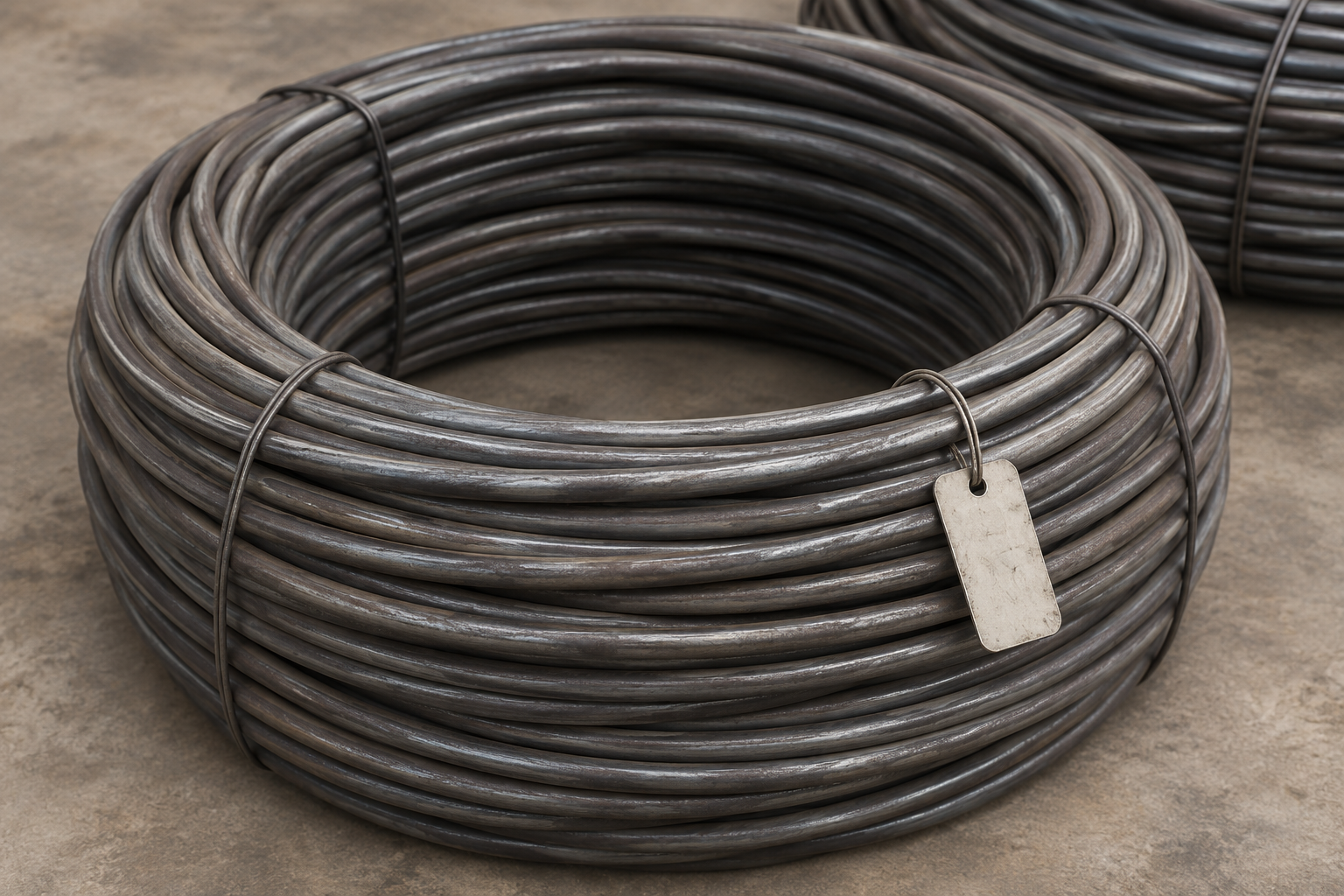
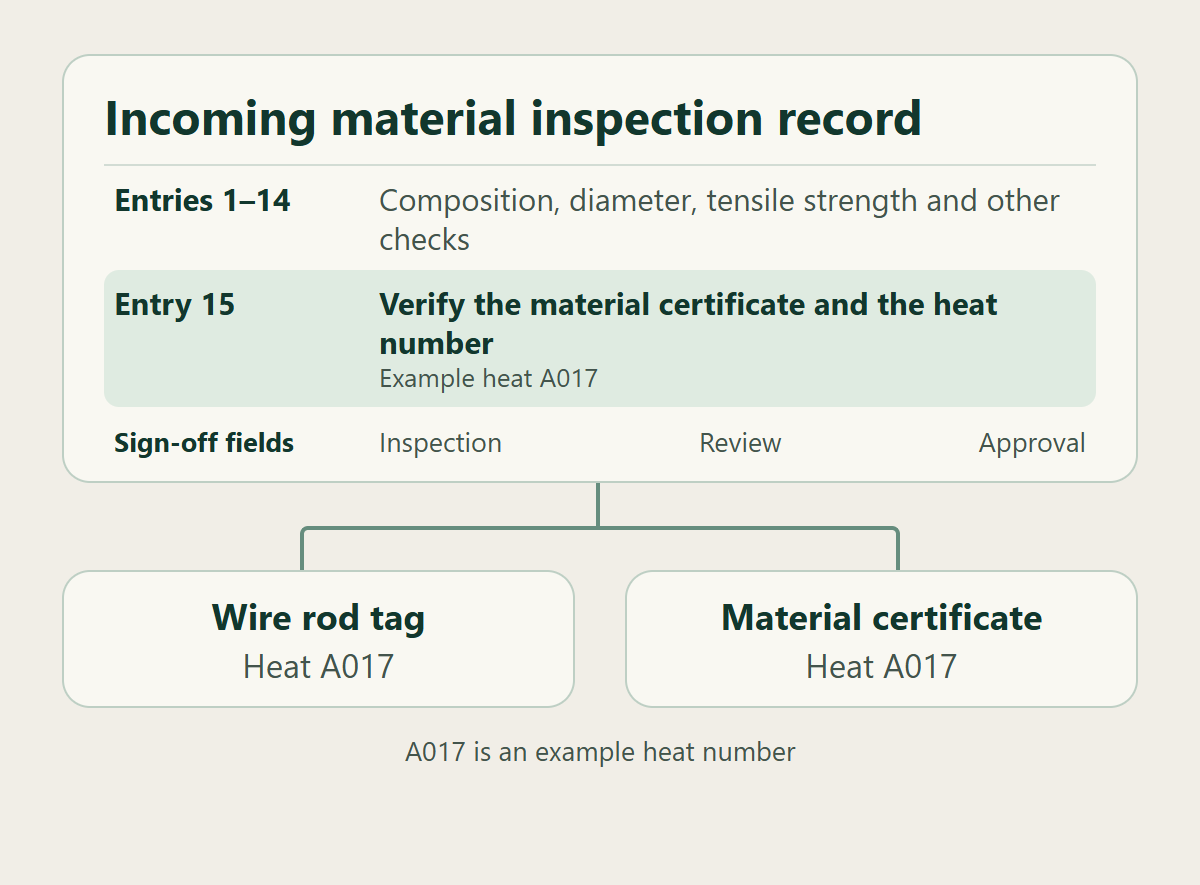
Put a few steel coils side by side and it is hard to tell which batch each came from just by looking. At Wohe, our incoming material inspection record has fifteen entries. The first fourteen cover checks such as composition, diameter, tensile strength, hardness and surface condition. At entry fifteen, we compare the heat number on the coil tag with the number on the supplier's material certificate. When they match, we can link that certificate to the steel in front of us.
At the bottom of the form are three fields for inspection, review and approval. The next person to use the record can see what was checked and use the heat number to find the corresponding certificate.
Starting with the bolts and nuts we knew
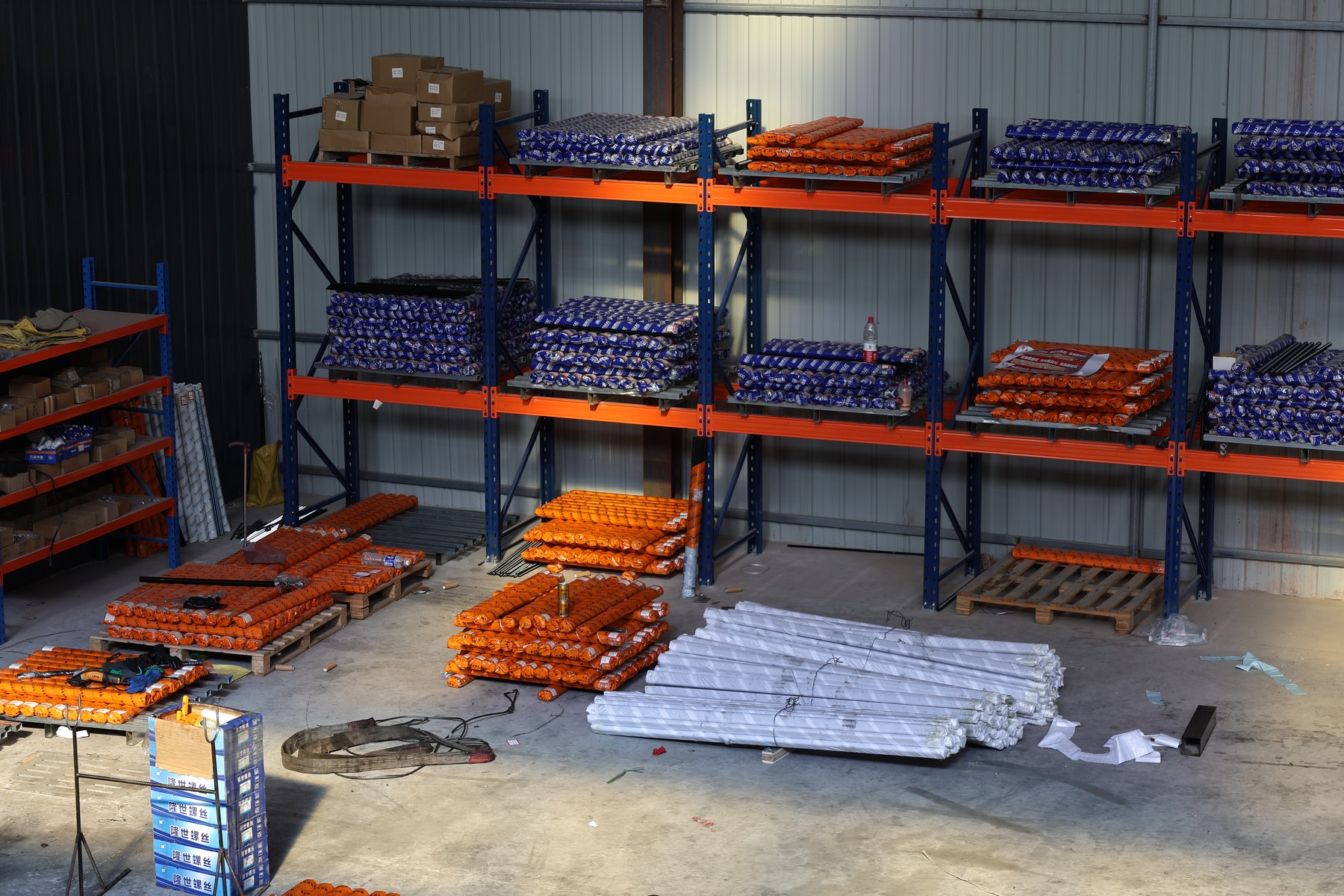
Fastener making in Yongnian began with hand-operated forges. In the 1960s and 1970s, production teams around Hebeipu and Dongtantou set up forges in the agricultural off-season. Blacksmiths hammered out screws and nuts. By 2025, Yongnian was producing 7.8 million tonnes of fasteners, with an output value of RMB 55.16 billion and a share of about 58% of national production and sales. Local workshops had their own familiar work, from bolts and nuts to surface finishing. Many people here already made a living from the trade when Wohe opened.
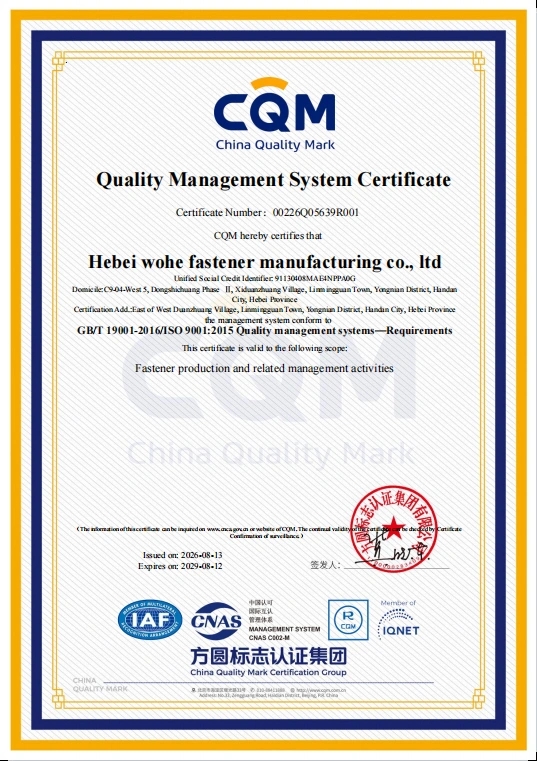
Before we established Hebei Wohe Fastener Manufacturing Co., Ltd. in November 2024, our team worked in sales and operations across the fastener range. We were used to receiving lists with several different requirements and explaining which items could be supplied together. When we started the company, we began by making and selling the standard parts we knew well, including bolts and nuts.
Some early orders needed capacity we could not schedule ourselves. We asked fellow manufacturers in Yongnian for help. Over time, they supplied some items to us and we supplied others to them. The customer still had one order with Wohe. We remained their point of contact and took responsibility for inspecting the products we supplied. Moving into manufacturing meant turning each line on the sales list into goods we could check.
One list with seventy-eight lines
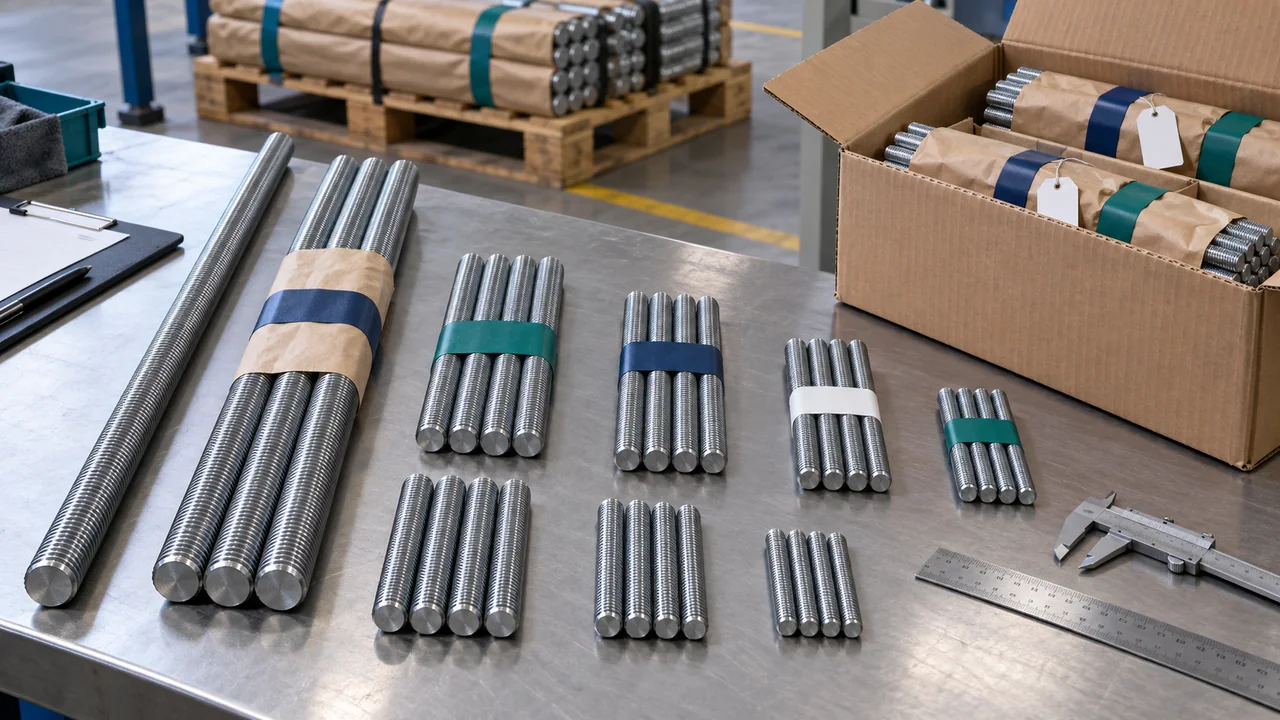
In July 2026, a Singapore customer in the machinery business sent us a seventy-eight-line list. It included property class 8.8 fully threaded studs and polytetrafluoroethylene (PTFE) gaskets. The studs ranged from about six or seven centimetres to one metre. The gaskets had their own specifications and material requirements. The customer was particularly concerned about getting the stud dimensions and hardness right. Each line called for its own handling.
We separated the two product groups and worked through the specifications, quantities and materials line by line. Stud lengths had to match the relevant entries, and the gaskets needed a separate review of their material and other requirements. For the studs, both the length and the hardness requirement had to carry through to production and inspection. We checked materials, dimensions and thread condition during production, then reviewed the finished items against the list and inspected samples.
The list came out again at packing. One-metre studs and gaskets in several sizes called for different ways of handling and counting. The team separated the products, arranged bags and cartons, checked quantities and markings, and inspected the outer boxes. We compared transport options on shipment volume, packing needs, cost and timing. The order was exported that month.
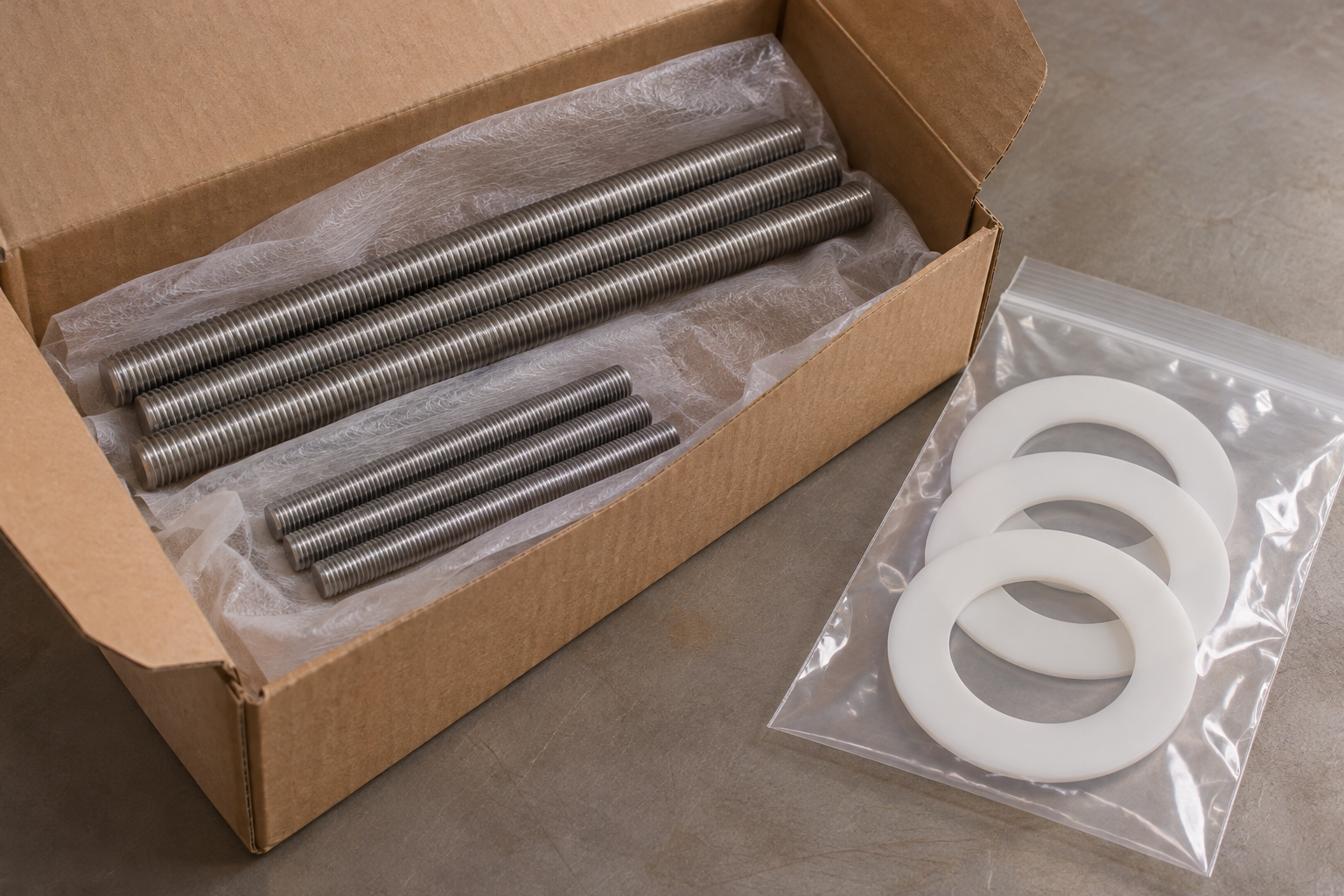
Those seventy-eight lines stayed with the order from production planning through to the final count. We sent the customer studs and gaskets. Our records showed where each item appeared on the list and what that entry required.
A record someone else can check
Back at the material inspection form, imagine a coil of wire rod. You check its specification and tag, then look for its heat number on the supplier's certificate. The form needs to record the checks and results for the material that is actually there. If the material is stored separately or handed to production, the identifying information has to follow it. That lets someone later match the steel, the certificate and the material issue record.
Seven of the fifteen entries cover chemical composition: carbon, silicon, manganese, chromium, molybdenum, phosphorus and sulfur. Alongside diameter and hardness are fields for the degree of spheroidization, total decarburization depth, surface defect depth and surface condition. The size, internal structure and marks on the surface tell different things about the same coil. What to check and how to assess it depend on the material and order. The final entry ties the results to the right heat.
That is why the form still has places for review and approval after the checks are recorded. Review means being able to go back to the tag, certificate and results and see that they refer to the same material. The approval field allows the next person to see which record supported the move to the next step. Once the steel becomes bolts, the finished parts have their own performance checks. From incoming steel to dispatch, numbers, markings and signatures give the next person something to work from.
On site, a fastener joins one thing to another. Our work in Yongnian also has two ends. At one end are the people who make different parts or carry out different processes. At the other is the person who brings us a list. Between them, we have to pass the requirements to the people doing the work and be able to find them again on a coil, a bag of parts or an inspection record. We are still a young company. Since starting with bolts and nuts, we have done this many times. What we want to remember years from now is how we took someone's list, checked it from first line to last, and handed the goods over.